PART 1
The envelope from the state lottery commission had been sitting on my kitchen table for three days, unopened, right next to a half-empty box of generic tea bags. When the numbers on my quick-pick ticket matched all six digits on that rainy Tuesday night, I didn’t scream or jump up and down. I sat in my armchair for two hours, watching the grandfather clock in the corner tick away the seconds, feeling very small and very tired.
Two hundred million dollars is not just money. It is an avalanche. It is a wall that drops down between you and every person you have ever known, separating the honest days from the complicated ones.
I decided right then that I would tell no one. Not yet. Not until I figured out what kind of people my children had become when they thought I had nothing.
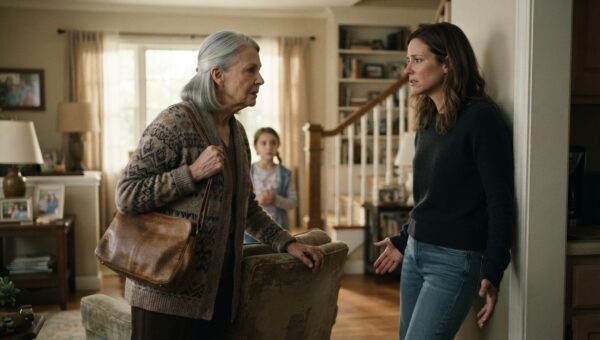
My daughter Laura called on Friday afternoon, her voice rushed and bright with the hurried tone of someone fitting me into a busy schedule. She asked if I could watch her twins next weekend because she and her husband wanted to look at a timeshare in Florida. When I gently mentioned that my arthritis had been acting up and my medication refill was coming due, she sighed into the receiver.
“Mom, you know how tight things are right now with the boat payments,” Laura said, her voice dropping into that familiar disappointed register. “Just try to manage it. We really need this trip to decompress.”
She hung up without asking how I felt.
Two hours later, I called my son Daniel. He picked up on the third ring, the sound of a television blaring loud sports commentary in the background. I told him the pharmacy had called about my blood pressure prescription, and since my Social Security check wouldn’t stretch far enough this month, I wondered if he could spare fifty dollars to help cover the copay.
Daniel let out a sharp, irritated breath. “Mom, I told you last month I can’t keep bailing you out for every little medical bill. You need to budget better. Figure it out.”
The line went dead with a click.
In that moment, something inside my chest went completely silent. The two hundred million dollars sitting in a newly opened blind trust downtown felt heavy and cold. It didn’t warm the kitchen.
It didn’t ease the ache in my knees. It just proved what I had been quietly dreading for years.
PART 2
Hours later, the sun had dipped below the fence line, and the evening air was turning crisp against the windowpanes. There was a sudden, sharp knock at my front door.
I opened it to find my seventeen-year-old grandson, Ethan, standing on the porch. He looked exhausted, wearing his grease-stained work shirt from the auto repair shop where he spent his Saturdays sweeping floors and handing wrenches to the mechanics. His shoulders were slumped, and dark circles shadowed his eyes.
“Hey, Grandma,” Ethan said softly, stepping inside without waiting for an invitation. He reached into his back pocket and pulled out a worn leather wallet, sliding a crisp, folded piece of paper across the laminate kitchen table. It was a fifty-dollar bill wrapped around nine smaller ones. Five hundred dollars total.
Every single cent he had managed to save from his summer wages.
“What is this, Ethan?” I asked, my throat tightening up.
“I heard Mom and Uncle Daniel talking on the phone earlier,” he said, not looking me in the eye. “Mom said you were stressing about medicine money again. I know it’s not a lot, but take it. You don’t have to pay me back. Just get your pills.”
He didn’t ask what my budget looked like. He didn’t lecture me about financial planning. He just reached across the table, put his warm, calloused hand over mine, and gave it a gentle squeeze.
“We’ll get through this together, Grandma,” he said.
That hurt and healed me more than anything else could have. My own children had slammed doors in my face when they thought I was poor, but the boy who had the least to give was the only one willing to empty his pockets for me.
PART 3
Three days later, I asked Laura and Daniel to come over for Sunday dinner. I didn’t give them a reason, just said I had made a pot of beef stew and wanted everyone around the table together.
They arrived around noon, complaining about traffic and the price of gas, grumbling as they took their seats in the dining room. Ethan sat quietly in the corner, wearing a clean shirt, watching the adults with tired, cautious eyes.
When everyone had a bowl of stew in front of them, I didn’t pick up my spoon. Instead, I reached down beside my chair, picked up a thick manila envelope, and placed it right in the center of the table, beside the butter dish.
“What’s that?” Daniel asked, leaning back with a cynical smile. “More bills you need help paying?”
“No,” I said, my voice steady and clear in the quiet room. “That is a certified statement from the state lottery commission confirming the collection of a two hundred million dollar jackpot won three weeks ago.”
The dining room table went instantly still. Laura stopped mid-bite, her spoon hovering an inch from her bowl. Daniel leaned forward so fast his chair legs scraped loudly against the hardwood floor.
“Two hundred… what?” Daniel stammered, his eyes darting from the envelope to my face. “Mom, are you joking? Where did you get that?”
“I bought a ticket at the gas station on Route Nine,” I replied calmly. “And when the numbers hit, I didn’t call a lawyer right away. I called the two of you.”
Laura’s face flushed a deep, mottled red, her mouth opening and closing like a fish out of water. “Wait. When you asked about the medication… you were testing us?”
“I was telling the truth,” I said. “I needed help. And both of you decided that an old woman with a high blood pressure prescription was an inconvenience you didn’t have time for.”
“Mom, that’s not fair,” Daniel shouted, slamming his hand down on the table so hard the water glasses rattled. “You can’t just trap people! If you have two hundred million dollars, why are you playing games? Hand over the paperwork, we can set up family trusts right now, we can get advisors—”
“Quiet down, Daniel,” I said, and the tone in my voice made him snap his mouth shut.
I turned my gaze away from my children and looked across the table at Ethan, who was staring at the manila envelope with wide, uncomprehending eyes.
“Their excitement quickly turned to disbelief when I explained that it had all been a test,” I told the room. “I chose Ethan because he chose compassion when he believed I had nothing left to give.”
Laura burst into tears, covering her face with her hands, muttering about how she had kids to put through college and how hard things had been. Daniel stood up from his chair, cursing under his breath, grabbed his car keys off the sideboard, and stormed out the front door without saying another word. Laura gathered her purse a minute later, rushing past me into the afternoon heat without a goodbye.
The front door clicked shut behind her, leaving the house wrapped in a heavy, echoing silence.
ENDING
The house is quiet again now, but it’s an honest kind of quiet.
The lawyers and accountants have finished their work, the blind trust is set up, and Ethan’s college tuition is secured from his first year to his last, whether he wants to be a mechanic or an engineer. But he still comes over every Saturday afternoon in his grease-stained shirt to help me weed the garden and fix the loose screen door on the back porch.
Every evening, as Ethan and I sit together on the wooden steps watching the sun go down, talking about life and baseball instead of money, I’m reminded that the greatest fortune I found wasn’t the jackpot.
It was discovering who was sitting on the porch when the world went dark.