The grey gravel of our county road had frozen solid by the time Mama passed, and the only sound outside her front door was the dry rattle of dead oak leaves caught against the wire fence. For three years, while the frost settled deep into the valley and the wind came howling down off the ridge, I was the one who drove the five miles from my clinic after a full shift of scraping tartar and polishing molars.
I would walk into that drafty kitchen with my scrubs still smelling faintly of mint and polishing paste, wash my hands at the porcelain sink with the chipped enamel, and go straight back to her bedroom to change the sheets. My brother, Russell, sent electronic wire transfers from his office in Philadelphia like he was paying an invoice for a service contract. My sister, Clara, flew in twice a year for four days at a time, complaining that the low ceilings gave her a migraine and that Mama’s house smelled too strongly of peppermint oil and eucalyptus. They called me the hygienist like it was a medical degree they had somehow condescended to let me keep, a small title for a small life lived right where I was born. When Mama finally stopped breathing on a Tuesday morning in January, with my thumb pressed against the slowing pulse in her thin wrist, Russell and Clara arrived before the county coroner did, their coats smelling of dry cleaners and expensive leather.
They did not sit by the bed. They sat at the kitchen table with cups of instant coffee and talked about the estate lawyer’s schedule while I was still pulling the wool afghan up to Mama’s chin.
The reading of the will took place in the cramped office of Mr. Vance, whose carpets had been worn down to the backing by fifty years of local disputes over fence lines and timber rights. Russell wore a charcoal suit that cost more than my first used Honda, and Clara kept checking her gold watch every thirty seconds as if the dead were keeping her from an important luncheon. Mr. Vance adjusted his wire-rimmed glasses, cleared his throat until his face went slightly purple, and began reading the legal terms in that flat, bored monotone that lawyers use when they have seen every possible combination of human greed. The house, free and clear of its thirty-year mortgage, went to Russell because he had three children and needed the yard.
The primary savings accounts, totaling roughly eighty-two thousand dollars across two local credit unions, went to Clara to reimburse her for what she called the emotional toll of long-distance caregiving. I sat near the corner of the room on a folding metal chair that wobbled every time I shifted my weight, my hands folded tightly in the lap of my wool skirt. When Mr. Vance reached the final paragraph, he paused, took off his glasses, and looked at me over the frames with a strange, heavy expression that I did not know how to read at the time. He cleared his throat again and read out the single remaining item listed under personal effects. And to my daughter, Arlene, I leave my wicker knitting basket, currently residing by my favorite chair in the parlor, along with all its remaining contents. Clara let out a short, sharp bark of laughter that bounced off the wood-paneled walls before Mr. Vance could even fold the paper.
She leaned across the armrest, her silver bracelets clinking together in the small room, and looked right at me with a look that made my stomach turn over.
“The hygienist gets the basket of yarn,” Clara said, loud enough for the receptionist to hear through the frosted glass door. “Knit yourself a life, Arlene.” Russell didn’t even look up from his phone, where he was already scrolling through real estate listings for the township. He just gave a low, dry chuckle and muttered something about how at least I wouldn’t have to spend money on hobby supplies for the winter. Mr. Vance did not smile. He didn’t bang his gavel or tell Clara to mind her manners, because lawyers in our county don’t police family cruelty; they just record the signatures and hand out the copies. He simply slid a small manila claim tag across the polished laminate desk toward my hands, his fingers lingering on the cardstock for a second longer than necessary. I took the tag without saying a word, my throat feeling as dry as the hay in the winter fields outside.
I didn’t cry in the office, and I didn’t yell at them in the parking lot while the sleet started to stick to their windshields. I drove back to Mama’s house alone, loaded the old wicker basket into the back seat of my sedan, and took it home with me. I put it in the corner of my small front room, right beside the radiator that clanked every time the boiler kicked on, and there it stayed.
For nearly a year, I walked past that basket every single day without touching the wicker handle or looking down at the grey and forest green wool piled inside. The half-finished afghan Mama had been working on when her fingers got too stiff to hold the aluminum needles was still draped across the top, the stitches neat and even like tiny rows of soldiers. Every time I looked at it, I remembered the sound of her breathing during those long February nights when the wind shook the windowpanes and I sat in the armchair with my nursing notes spread across my knees. Russell and Clara called twice in eleven months, both times to ask if I had cleared out the remaining kitchen utensils or if I was planning to rent the spare room out to help pay for the property taxes they hadn’t started paying yet. I told them no on both counts, my voice flat and unyielding over the receiver, and they hung up without saying goodbye.
They thought I was bitter, and maybe I was, but mostly I was just tired of being the one who stayed behind to clean up the messes everyone else made. The basket sat there gathering a fine layer of winter dust, a monument to the way my family measured my worth by the hourly rate of a dental clinic rather than the hours I spent holding a dying woman’s hand.
It was late November when the first real snow of the second winter hit the county, piling up against the front door until the light in the room turned that grey, watery color that makes time stand still. I had the day off from the clinic because the water pipes had frozen in the basement of the dental office, and I spent the morning moving room by room, washing the baseboards and throwing away old magazines I should have recycled months ago. When I finally came into the front room, the wicker basket was sitting right where I had left it twelve months before, the wool looking faded in the weak afternoon glare. I decided, right then and there, that I couldn’t keep looking at it like a shrine to a joke my sister had told at my expense. I knelt down on the worn braided rug, my knees clicking against the floorboards, and reached out to lift Mama’s unfinished afghan off the top.
The yarn was heavy, smelling faintly of the lavender soap she always kept in her bureau drawer, and I folded it neatly into a cardboard box I had brought from the pantry. I reached down to clear out the remaining balls of dark green wool that sat in the middle section, expecting nothing more than a tangle of old acrylic yarn and maybe a pair of blunt-tipped scissors.
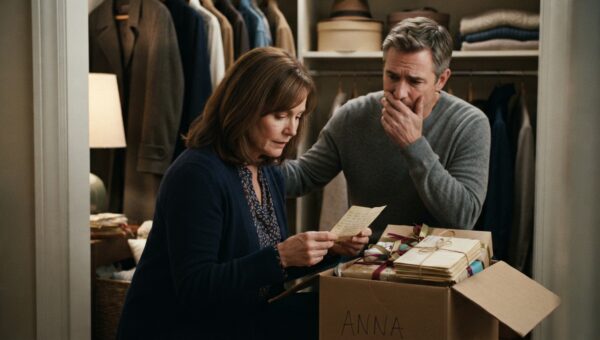
My right fingertips brushed against something that didn’t give way, something flat and stiff tucked underneath the false wooden bottom of the basket where the wicker had been woven twice over. I paused, my hand resting flat against the cold cardboard surface that had been hidden from view for as long as I could remember. My heart gave a hard, heavy thump against my ribs, the kind of sudden jolt you get when you nearly step on a copperhead in the brush. I pulled my hand back for a second, staring down at the grey yarn as if it might bite me, before sliding my fingers back under the edge and lifting. The false bottom came loose with a dry pop of aged glue, and there it was, lying flat against the base of the basket like a stone at the bottom of a well. It was a thick manila envelope, sealed all the way around the flap with dark red sealing wax stamped with Mama’s old monogram seal that she only used on Christmas cards to her sister in Ohio.
My name was written across the front in her shaky, precise cursive, the ink a little faded where her hand had pressed too hard on the paper. I didn’t open it right away; I just sat there on my heels on the cold floor, the snow hissing against the glass outside, while my brain tried to catch up with the sudden shift in the air.
I broke the wax seal with the edge of a butter knife I brought from the kitchen, my hands shaking so badly I dropped the silver handle twice against the floorboards. Inside wasn’t just a letter; it was a stack of legal documents stapled together with a heavy metal clip, accompanied by a separate note written on the back of a grocery receipt from the local feed store. I unfolded the receipt first, recognizing the small, neat handwriting that had signed every permission slip and birthday card of my childhood. Arlene, it read, if you are reading this, it means Clara finally made her joke and you finally had the sense to clean out my chair. I knew what Russell and Clara were long before your father passed, and I certainly didn’t work forty years on this farm so they could mortgage the ground out from under your feet while you were the only one changing my sheets.
The house and the primary accounts are in their names just like they wanted, loaded down with the back taxes and the liens I took out last spring to pay for my medical equipment without asking their permission. The real portfolio, the twenty shares of regional utility stock and the three certificates of deposit at the county bank, are tied to this basket by a deed of gift registered with Mr. Vance three days before I took to my bed for good. Don’t tell them until the probate window closes. Let them pay the taxes on an empty house for a year first. Love, Mama.
The legal document attached to the note was a formal codicil, stamped, signed, and witnessed by Mr. Vance and the town librarian back in October before the winter weather set in. It transferred full ownership of Mama’s private investment accounts, totaling one hundred and forty-two thousand dollars in liquid assets that neither Russell nor Clara had ever known existed, directly to my name, free of any estate claims. I sat on that rug for nearly an hour, the paper clutched in my hand, reading the numbers over and over until the ink seemed to blur together into the grey pattern of the carpet. I didn’t feel triumphant, and I didn’t feel like dancing around the room the way people do in the movies when they win something they didn’t expect. I just felt a cold, hard sense of balance returning to the world, like a heavy gate finally clicking shut after swinging loose in the wind for years.
Mama hadn’t left me a basket of yarn as a cruel punchline; she had left me the only place in the house where Russell and Clara wouldn’t go, because neither of them had ever touched that wicker basket or cared enough about her daily life to look beneath the surface. They had taken the house with its five thousand dollars in unpaid municipal sewer assessments and the bank accounts that were already half-depleted by their own phone calls to the nursing home administrators.
Two weeks later, Mr. Vance called Russell and Clara into his office for the mandatory six-month estate reconciliation, and he called me too, asking me to bring the wicker basket with me. I didn’t bring the whole basket, but I brought the manila envelope tucked inside my canvas work bag, and I sat on the exact same wobbly metal chair in the corner of the room. Clara was wearing another expensive coat, this one trimmed in fake fur that she kept stroking while she complained about the cost of having the roof patched before spring rains started. Russell looked tired, his tie slightly crooked, muttering about how the property taxes on the old homestead were three times higher than he had calculated based on the preliminary paperwork. Mr. Vance didn’t say anything for a long time; he just let them finish their list of grievances before he slid two photocopied pages across the desk toward Russell’s coffee cup. Clara leaned over to look, her silver bracelets clinking again, and I watched her face change color in three distinct stages, starting with a smug little grin and ending with a look of absolute, frozen fury. She didn’t look at Russell; she looked straight across the table at me, her mouth opening and closing twice before any sound actually came out of her throat.
“You knew,” Clara said, her voice dropping down into that ugly, harsh register she used when we were teenagers fighting over the bathroom mirror. “You knew the whole time she didn’t leave you nothing, didn’t you? You sat there in January and let me talk.” I didn’t raise my voice, and I didn’t lean forward to meet her eyes, because I finally understood what Mama had meant about keeping your hands steady when the work gets difficult. I just reached into my bag, pulled out Mama’s note on the back of the feed store receipt, and laid it right on top of Russell’s tax assessment forms. “She left me the basket,” I said softly, my voice sounding stranger and clearer than it had in years. “You were the one who told me to knit myself a life out of it.” Russell reached out, grabbed the papers, and scanned them twice before his face went dark and he slammed his hand down on the wood so hard the stapler jumped.
He started shouting about lawyers and undue influence and fraud, his voice cracking like a dry branch, but Mr. Vance just leaned back in his leather chair and tapped a pencil against his teeth. “The signature is registered and witnessed, Mr. Henderson,” the old lawyer said, his voice as dry as autumn corn husks. “And the tax liens on the house were recorded before the transfer went into effect. You and your sister are welcome to contest it in circuit court, but the filing fee alone will cost you more than you’ve got left in those primary accounts.”
They didn’t contest it, because they couldn’t afford to throw good money after bad once they realized the house was worth less than the back taxes they now legally owed as executors. They left Mr. Vance’s office ten minutes later without saying another word to me, Clara storming out into the sleet with her fake fur collar pulled up around her ears, and Russell following behind her like a dog with its tail tucked between its legs. I walked out to my car through the wet snow, the air smelling of woodsmoke and wet asphalt from the main street. I didn’t look back at the brick courthouse, and I didn’t think about what they were going to do with their share of the inheritance, because their choices were no longer anything I had to carry on my shoulders. When I got home, I emptied the rest of the grey and green yarn out of the wicker basket and carried it back into the front room by the window.
I didn’t put more yarn inside it, and I didn’t put it in the closet out of sight where nobody would ever have to look at it again. I walked down to the greenhouse by the highway and bought a small African violet with leaves as thick as velvet and blossoms the color of deep plum wine. I set the clay pot right in the center of the empty wicker weave, where the morning sun hits the sill before the rest of the house wakes up, and I watered it carefully with a clean glass of tap water, just like I used to water Mama’s geraniums when the winter nights were at their longest.