PART 2
For nearly a year, that heavy oak workbench sat untouched in the corner of my garage.
Every time I walked past it to reach my table saw or my lawnmower, a tight, painful knot formed in my stomach. The top surface was gouged and scarred by decades of heavy projects, stained with dark oil and varnish. Near the cast-iron vise, a faint white ring remained where Dad had set his heavy ceramic coffee mug every morning while making small household repairs. I couldn’t bear to clean it. I couldn’t bear to work at it. It stood as a permanent, physical monument to the day my brother laughed at me in the lawyer’s office.
Meanwhile, Richard listed Dad’s house immediately, pocketing the profit and buying a new German luxury SUV. Julianna used her share of the inheritance to remodel her kitchen and pay for lavish summer vacations, only calling me when she needed a leaky faucet fixed or a heavy cabinet moved at her home. Whenever my name came up at family dinners, they treated the inheritance as a dark joke, occasionally asking if I had “built a million dollars out of Dad’s rusty nails yet.”
By the following spring, almost eleven months after the funeral, my wife, Sarah, gently confronted me in the garage one evening. “Tom, you need to either use the bench or clear it out,” she said softly, wrapping her arms around my waist. “Leaving it sitting here in the dark like a sore spot isn’t letting you heal.”
She was right. The resentment was eating away at me. That Saturday morning, I pulled on my work gloves, dragged three empty plastic storage bins into the garage, and walked over to Dad’s workbench to finally clear it out and scrap it.
I started by sweeping the heavy dust off the top, carefully avoiding the faded coffee ring. Then I began opening the drawers. The top two drawers contained exactly what you’d expect from an old-school machinist: worn wooden-handled screwdrivers, rusted pliers, dried-up rolls of black electrical tape, and small glass baby-food jars filled with organized brass screws and oxidized iron bolts.
Then I reached the deep bottom drawer. It was built from solid three-quarter-inch oak that Dad had framed himself decades ago.
I gripped the heavy iron handle and pulled. The drawer slid out four inches and then jammed with a dull, solid metal thud.
“Come on,” I muttered, tugging harder.
It wouldn’t move an inch further. Thinking a stray hammer or a loose iron wedge had fallen behind the back runner and jammed the track, I dropped to my knees with a flashlight, peering into the narrow four-inch opening while reaching my arm deep into the dark space under the cabinet frame.
My fingers brushed past the dusty glass jars of screws and hit something smooth, cold, and square tucked flush against the back framing wall. It wasn’t a fallen tool. It was a heavy steel waterproof box, wrapped tightly in oiled canvas and bound with yellowing duct tape.
It was wedged behind a custom false backboard that Dad had built inside the drawer frame—a hidden compartment that no one would ever find unless they pulled the drawers completely out to restore or dismantle the bench.
My heart began thumping against my ribs like a sledgehammer. I reached behind the runner, worked my fingers around the corners, and pulled the box free.
I set the heavy box on top of the workbench, grabbed a utility knife from my belt, and sliced through the tape and canvas. My hands were shaking so violently I nearly dropped the blade. I flipped open the heavy steel latches and lifted the lid.
Inside lay three thick, bound stacks of legal paper, a small black leather journal, and a sealed manila envelope with my name written across the front in Dad’s shaky, deliberate handwriting.
The breath left my lungs all at once.
PART 3
I sat down on an overturned wooden crate in the quiet garage, my hands trembling as I tore open the manila envelope.
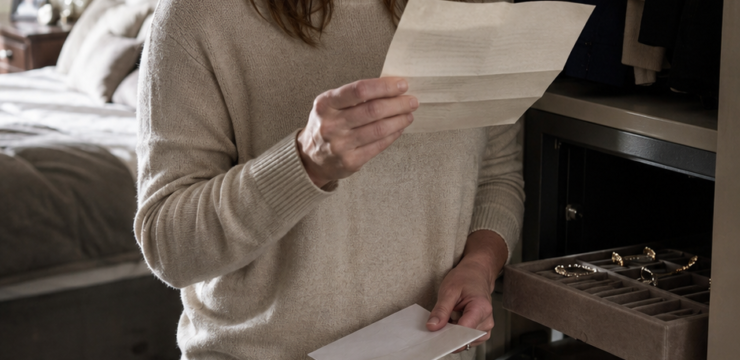
Inside was a personal letter dated three weeks before Dad passed away, alongside certified financial documents bearing the official red stamp of a state trust administrator.
I unfolded the letter and read my father’s words:
“My dear son, Tom,” Dad wrote. “If you are reading this, it means you finally took the time to clear out the old beast in the garage. I always knew you’d be the only one who ever would. Richard and Julianna would have paid a junk haul crew to throw it in a landfill before they ever put their hands inside a dusty drawer.”
Tears welled up in my eyes, blurring the blue ink on the yellowed notebook paper.
“I know how the reading of the will went,” the letter continued. “I know how Richard laughed, and I know how much it hurt you. I had to let it play out that way, Tom. For years, I watched your brother and sister treat you like you were lesser because you earned your living with calloused hands. I watched them ignore me when I needed help, only showing up when they wanted to ask about their inheritance. You were the only one who stayed. You were the only one who held my hand, bathed me, fed me, and gave me my dignity when my body failed me. I didn’t pay you with a public handout because I wanted them to show their true colors.”
Dad went on to reveal a secret he had kept for nearly twenty-five years. Decades ago, he had purchased forty acres of rural property on the north side of town. Two years before he died, a regional commercial development firm had bought thirty of those acres to build a new medical center.
The house he had left to Richard was heavily encumbered by a reverse equity line Dad had taken out to cover his medical costs—a fact he had kept completely quiet. Richard hadn’t inherited a fortune; he had inherited a property saddled with over $280,000 in immediate debt that became due upon transfer. The cash account he gave to Julianna was subject to state care facility liens and federal tax clawbacks that wiped out almost eighty percent of its balance.
The thick stacks of papers in the steel box were certified bearer bonds and bank cashier’s checks made out directly to an irrevocable private family trust registered solely in my name.
The total value of the trust was $1.4 million.
“The bench was never scrap lumber, Tom,” the letter concluded. “It was where I spent my life building honest things. I built this trust for you because you are the only one of my children who understands the true value of work, devotion, and love. Build a good life for Sarah and your family. Let your brother and sister keep their pride. You kept my dignity.”
Two days later, my phone rang. It was Richard. His voice was no longer arrogant or smooth; it was breathless, high-pitched, and strained.
“Tom, there’s a massive disaster with Dad’s house!” he shouted over the line, the sound of frantically rustling papers audible in the background. “The bank just served me with an equity line payoff demand! And Julianna’s cash settlement got frozen by state medical liens! We’re getting wiped out! We need to hire a forensic accountant to audit Dad’s accounts and see if he hid cash anywhere else!”
I stood in my garage, leaning against the solid oak edge of my father’s workbench, looking at the faded coffee ring near the vise.
“I don’t think that’s necessary, Richard,” I said, my voice completely steady and calm.
“What do you mean it’s not necessary?!” Richard snapped, his temper exploding through the speaker. “We got ruined, Tom! Dad left us nothing but debt and legal bills! You’re the only one who didn’t get screwed because you just got that worthless pile of scrap lumber in the garage!”
I touched the smooth, worn wood where my father’s hands had rested for forty years.
“It isn’t scrap, Richard,” I said softly. “It was built on a solid foundation. Just like Dad.”
Before he could scream another question, I quietly hung up the phone.
ENDING
I never gave Richard or Julianna a single dollar from the trust, nor did I ever tell them what I found wedged behind the bottom drawer of the old workbench.
They were forced to sell the suburban house at a sharp loss to satisfy the bank’s equity lien, and Julianna’s remaining cash payout was almost entirely swallowed up by long-term care debt and taxes. For months, they complained to anyone in town who would listen about how poorly Dad had managed his estate, remaining completely blind to the truth: Dad had simply handed them a mirror that reflected their own greed.
As for me, I used a small portion of the trust to resign from my construction job and open my own independent custom woodworking shop. I focus entirely on crafting handmade oak dining tables and cabinets—furniture built with deep mortise joints, designed to last for generations.
I didn’t replace Dad’s workbench or move it out of my home garage. I restored it. I cleared the rust off the iron vise, oiled the solid drawer slides, and sealed the oak top until the grain shone deep and warm under the overhead lights. But I left one specific detail completely untouched: the faint white coffee ring near the right edge.
Every Saturday morning, before I open my shop, I sit on a stool in my garage, rest my hands against the sturdy oak frame, and feel the quiet presence of the man who raised me.
My siblings lived their lives believing that working with your hands made a man small. They never understood that true wealth has nothing to do with tailored suits, fancy cars, or big titles. True wealth is found in the quiet, sacrificial love you give to the people who depend on you—and the solid, unshakeable foundation you leave behind when your work on earth is done.