PART 2:
When I got back to my house, the quiet of the afternoon felt oppressive. I set the heavy accordion case on my kitchen table and unlatched the rusty buckles. The smell of aged leather, brass, and Dad’s old aftershave wafted into the air, instantly bringing tears to my eyes.
I lifted the instrument out of the velvet-lined case. It was incredibly heavy, just as I remembered it. I ran my fingers over the mother-of-pearl keys, thinking about the countless Christmases we had spent singing around the fireplace. As I set it down on the solid wood table, the instrument tipped slightly to the side.
When it shifted, it rattled.
It wasn’t the soft, musical sigh of air moving through the reeds. It was a dense, heavy thud, as if something solid was shifting improperly inside the instrument. I frowned, wiping my tears, and picked the accordion up again, tilting it gently. There it was again—a distinct, sliding rattle.
I grabbed the accordion by its side straps and pulled, trying to expand it. The bellows wouldn’t budge. They were incredibly stiff, completely blocked by something packed tightly inside the deep, folded crevices.
My heart suddenly began to race. Dad hadn’t played this accordion in at least eight years.
I walked over to the kitchen drawer and pulled out a sturdy, flat butter knife. Carefully, I wedged the dull metal edge under the brass back clasp that held the bellows frame to the wooden casing. I pried it upward. With a sharp snap, the rusted pin gave way.
I lifted the heavy wooden backing off the instrument, exposing the deep interior. My breath completely caught in my throat.
The accordion wasn’t broken. It had been hollowed out. Neatly folded and wedged into the tight folds of the bellows was a thick stack of yellowed papers, secured with heavy rubber bands. Resting right on top of the bundle was a heavy, antique brass key with a small, faded paper tag tied to it with twine.
My hands were shaking violently as I reached inside the dusty instrument and pulled the stack of papers out onto the kitchen table.
PART 3:
I slipped off the brittle rubber bands and unfolded the top page. It was a heavy, watermarked legal document. I recognized the format immediately from my days working as a county clerk—it was a property deed.
But the address printed at the top of the page wasn’t the farmhouse, and it wasn’t the eighty acres of farmland my brothers had just inherited.
It was the lakefront lot.
My stomach plummeted. The lakefront property was a pristine, highly coveted stretch of untouched shoreline on Lake Geneva that had been in our family for four generations. For the last ten years, Lester and Mark had been relentlessly badgering Dad to sign it over to them so they could sell it to a luxury condo developer for an absolute fortune. Dad had always firmly refused, telling them it was sacred family land. During the reading of the will, the lawyer hadn’t mentioned the lot at all, leaving my brothers to assume it was bundled into the general estate trust they now controlled.
I scanned my eyes down to the bottom of the deed, searching for the registered owner’s name. My heart stopped.
The owner listed wasn’t Dad’s estate. The property had been legally transferred, fully notarized, and quietly recorded with the county over a year ago. The sole owner listed was *Clara Hayes*. Me.
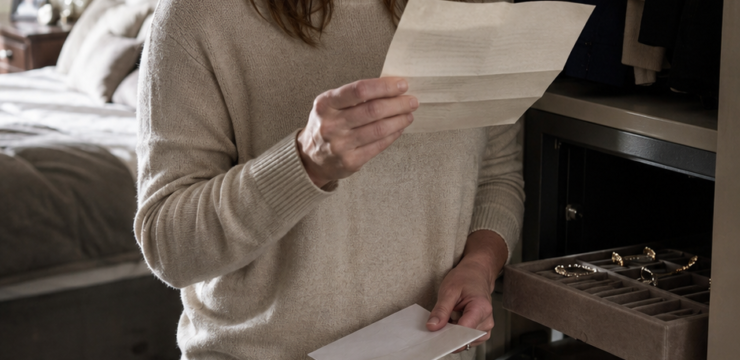
Underneath the deed was a handwritten letter. *My dearest Clara,* Dad’s familiar handwriting read. *Lester and Mark only ever saw dollar signs when they looked at me. You were the only one who saw a father. I knew they would try to steal the lakefront the moment I died. So I put it in your name, and I hid it where I knew their greed would never let them look. The key is to the old boathouse. It’s all yours now.*
Just as I finished reading the letter, my cell phone rang. It was Lester.
“Hey, Clara,” he said, his voice dripping with false sympathy. “Mark and I are going through Dad’s files. The lakefront property isn’t listed in the primary trust. We assume it’s just an administrative error, but we need you to sign a quick waiver releasing your interest so we can finalize the sale with the developers next week.”
I looked down at the deed, then at the heavy brass key resting on my kitchen table. The quiet, dutiful sister they had mocked was suddenly holding the absolute maximum share of the inheritance.
“I can’t do that, Lester,” I replied, my voice steady, calm, and ringing with a newfound power. “Because it isn’t an error. And it isn’t for sale.”
ENDING:
The silence on the other end of the phone was the most satisfying sound I have ever heard in my fifty-eight years of life. When I finally explained exactly what I had found inside the accordion, Lester completely lost his mind. He yelled, he threatened, and he demanded I hand over the deed. But it was far too late. Dad had executed the transfer flawlessly with a private attorney a year before he passed. My brothers had inherited the farm, but I had inherited the crown jewel of the estate, worth more than the rest of their inheritance combined.
They tried to fight it in probate court, but the judge threw their case out almost immediately. The deed was ironclad.
I never sold the property to the condo developers. Instead, a few weeks after the dust settled, I drove out to the lake. I walked down the wooded path, the gravel crunching under my shoes, until I reached the beautiful, weathered old boathouse sitting on the edge of the crystal-clear water. I took the heavy brass key from my purse, slid it into the rusted padlock, and turned it. It opened with a heavy, satisfying click.
Inside, the boathouse was peaceful, filled with the gentle sound of water lapping against the wooden pilings. Dad’s old fishing gear was still resting in the corner.
I sat down on the wooden dock, watching the sunset reflect off the water, and finally allowed myself to truly mourn the man who had raised me. Sometimes, the people who love you the most don’t say it out loud. Sometimes, they hide their love in the places they know only you will ever care to look. My brothers walked away with the money they so desperately craved, but I walked away with my father’s true legacy—and the profound, unbreakable knowledge that he had seen my sacrifices all along.