The linoleum under my knees always felt a little cold in the mornings, even after the sun had been up for hours. I was slicing onions for a pot of vegetable soup on the stove, watching the dust motes drift through the beam of light cutting across the table. Matthew was sitting at the corner of that same table, using a dull yellow crayon to color in the mane of a horse he had drawn on the back of an old grocery receipt.
He looked up at me just as the pressure hit, a heavy, sinking weight that felt like an anchor dropping straight through my chest.
I remember dropping the knife. I remember the sharp clatter of the stainless steel blade hitting the floor tiles. Then came the final, violent kick from deep inside, a sudden sharp movement that left me completely empty of breath. My knees buckled before I could even reach out for the edge of the counter, and the world just folded in on itself until there was nothing left but a roaring sound in my ears.
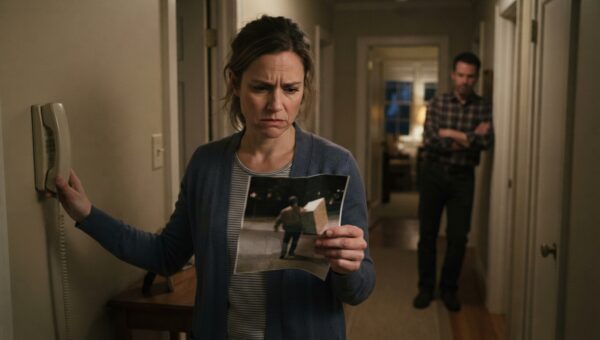
Matthew didn’t scream or run out the back door like a lot of kids his age would have done. He dropped his yellow crayon, scrambled off the wooden chair, and ran over to where I was curled up on the kitchen floor. I could hear his small sneakers squeaking against the linoleum as he grabbed the landline phone off the wall mount and punched in the three numbers he had practiced with his father just a month before.
His voice was steady and clear when he spoke to the dispatcher, giving our exact street address on Mill Street while kneeling right beside my face.
The next thing I knew, the world smelled intensely of antiseptic soap and cold iron. I was lying under a set of bright, glaring fluorescent lights that made my temples throb with a dull, persistent ache. The room was mostly quiet except for the rhythmic, mechanical hiss of an oxygen machine in the corner and the sound of someone crying softly near the foot of my bed.
Henry was sitting in the metal-framed visitor chair with his face buried in his large, calloused hands. His shoulders were shaking, and his work jacket was still dusted with drywall powder from the job site he had rushed away from. When he heard the rustle of the hospital sheet as I tried to lift my head, he looked up, and his face was the color of old chalk.
His eyes were red-rimmed and hollow, stripped of every ounce of color they usually carried.
“You’re awake,” he whispered, his voice cracking right down the middle like dry pine. “Oh, God, Clara, you’re actually awake.”
“The baby,” I managed to say, my throat feeling like it was lined with coarse sandpaper. “Henry, where is our boy?”
Henry didn’t answer right away. He stood up slowly, his knees popping in the quiet room, and walked over to grip the metal railing of the bed with both hands. He didn’t look at my face; he stared down at the white cotton blanket covering my legs, his jaw working as if he were trying to chew on glass.
“Clara,” Henry said, and the way he said my name made my stomach turn cold. “The placental abruption was too severe. Dr. Aris said you were bleeding out on the table before the paramedics even got the stretcher through the doors. They had to make a choice.”
“A choice?” I asked, though the word already tasted bitter on my tongue.
“They couldn’t save both of us,” Henry whispered, tears spilling over his eyelashes and cutting clean tracks through the dust on his cheeks. “The surgeon came out and told me the cord was wrapped and there was no pulse. They had to pull you back first, Clara. They had to stop the bleeding. By the time they got to him, he… he hadn’t taken a breath.”
The room seemed to tilt sideways. There was no dramatic music, no cinematic swelling of emotion, just the harsh, mechanical beep of the heart monitor tracking my own steady pulse while everything inside me died. Our baby boy, the one Matthew had talked to every single night before falling asleep, was gone before he even had a chance to see the rain outside our kitchen window.
“He didn’t take a breath?” I repeated, the words feeling heavy and stupid in my mouth.
“The doctor tried for twenty minutes,” Henry said, his voice dropping to a low, broken mumble. “They did everything they could. He was born without a breath, Clara. I’m so sorry. I couldn’t save him.”
I didn’t scream. I just stared up at the acoustical tiles on the hospital ceiling, feeling a strange, hollow numbness spread through my limbs. I let my hand drop over the edge of the mattress, my fingers brushing the cold linoleum floor in my mind, back to the kitchen where the soup was still burning on the stove. We had lost him. The nursery down the hall at our house, painted in that soft pale yellow with the little wooden rabbits Henry had carved, was going to sit empty.
Then the heavy wooden door of the hospital room clicked open.
I thought it was Dr. Aris coming back to finish the paperwork or offer some clinical, detached words of comfort about recovery times and grief counseling. But it wasn’t the doctor. It was Matthew. He was walking very slowly, carrying something wrapped tightly in a blue flannel hospital blanket with both arms held out stiffly in front of him like he was holding a fragile glass vase. A tired-looking nurse with graying hair followed right behind him, her hand hovering just beneath his elbows to make sure he didn’t stumble.
Matthew stopped about three feet from the side of my bed. His face was blotchy and red from crying, but his chin was held up high with a strange, stubborn sort of dignity that didn’t belong on a seven-year-old child.
“Matthew, honey,” I started to say, but he cut me off before I could get the rest of the sentence out.
“I promised I’d protect him,” Matthew said.
The nurse gave me a quick, helpless look, her eyes shining with unshed tears, and gently guided Matthew’s arms so the bundle came closer to my chest. I didn’t dare move a muscle. I barely breathed, terrified that if I exhaled too hard, the illusion of what he was holding would shatter into pieces. Matthew leaned over the tiny form, his small nose almost touching the edge of the blue blanket, and began to whisper something very softly.
It wasn’t a prayer. It was the exact rhyming lullaby he had hummed against my swollen belly every single night for the past three months, the silly little song he made up about a red fox sleeping under the porch. His voice was high and steady in the quiet room, repeating the simple cadence over and over again like a charm against the dark.
And then, right there in the big brother’s embrace, the silence broke.
It wasn’t a cough or a sputter. It was a sharp, sudden gasp, followed instantly by a full-throated, angry newborn wail that rattled the plastic pitchers on the bedside table. The sound filled every corner of that sterile room, bright and fierce and undeniably alive.
I grabbed for the bundle, my fingers tangling in the flannel as Matthew gently lowered the baby into my shaking arms. The skin was warm. The small chest was rising and falling in rapid, jagged little jerks, pumping air into lungs that the medical staff had given up on twenty minutes before.
“He’s breathing,” Henry choked out, stumbling backward until his spine hit the opposite wall. “Clara, look at him. He’s breathing.”
Within ten seconds, the door flew open and Dr. Aris rushed in, stethoscope swinging from his neck, followed by two residents in green scrubs. The room instantly turned into a flurry of motion, but nobody took the baby away from me. Dr. Aris gently pressed a cold pediatric stethoscope against the infant’s chest, his eyebrows lifting higher and higher behind his wire-rimmed glasses as he listened to the steady, galloping rhythm beneath the ribs.
“His oxygen saturation is coming up,” Dr. Aris said, his voice tight with an amazement he couldn’t quite hide. “I don’t… I don’t understand it. We checked for carotid pulses three separate times. He was in a state of profound secondary neonatal apnea brought on by the abrupt placental separation. Clinically, he was gone.”
“He was just waiting,” Matthew said stubbornly, standing right beside my hip and resting one small hand on the edge of the blanket. “I told him it was safe to come out now.”
Dr. Aris looked down at the boy, then back at the baby who had stopped crying and was now rooting blindly against my hospital gown with tiny, perfect fists. The doctor let out a long, slow breath, shaking his head in total disbelief.
“The tactile warmth, the familiar vocal vibration against the skin,” the doctor murmured, mostly to himself, reviewing the chart in his hands. “In cases of severe sensory lethargy, sometimes the central nervous system needs a specific, recognized trigger to restart the brainstem respiratory reflex. But I have never seen it happen like this. Not after forty minutes without spontaneous respiration.”
Henry sank down slowly into the visitor chair again, but this time he wasn’t hiding his face. He was staring at Matthew with an expression so tender and raw it made my throat tighten up all over again. He reached out and pulled our oldest son into his lap, burying his face in Matthew’s shoulder while the boy awkwardly patted his father’s back the way adults do when they are trying to comfort someone who has lost control.
The next forty-eight hours were a blur of beeping monitors, pediatric specialists, and endless rounds of routine blood work in the neonatal observation ward. Every time a nurse walked in with a clipboard, I held my breath until they smiled and told us the neurological signs were completely normal, that our little boy had suffered no oxygen deprivation after all. The medical team called it a miracle of delayed autonomic recovery, but Matthew just called it keeping a promise.
On the third day, we finally brought him home to Mill Street.
The vegetable soup I had been making when I collapsed was long gone, scrubbed off the front burners by a neighbor who had a key, but the faint, familiar smell of old cedar and floor wax still lingered in the hallway. Henry carried the car seat inside, his steps light and sure, and set it down right on the kitchen table where Matthew had been drawing his horse three days before.
Matthew climbed up onto the wooden bench beside the table, exactly where he had sat while waiting for the ambulance to arrive. He reached out with one finger and touched the tip of the baby’s nose, watching as our new son scrunched up his face and let out a soft, milky sigh in his sleep.
I stood leaning against the counter, my hand resting on the smooth wood where the knife had fallen, watching the afternoon sun stretch across the linoleum floor. Henry came up behind me, wrapping his arms around my waist and pressing his forehead gently against my shoulder. We didn’t need to talk about the choice he had been forced to make in that sterile operating room, or the dark, heavy hours when we thought we had lost everything. The past was right there behind us, heavy and real, but the kitchen was warm, and the house was full of the sound of two brothers breathing together in the quiet light.
We named him Noah. And every evening since then, when the sun goes down behind the paper mill across the river, I hear Matthew sitting on the bench by the window, humming that same little red fox song until the baby’s eyes drift shut.