The oven timer back in the kitchen had a tinny, high-pitched beep that nobody else seemed to hear over the clatter of silver against bone china. I remember pressing the little metal button to shut it up because the sound had been grating on my nerves since three that afternoon. My feet hurt from standing on the hard linoleum, and my apron smelled like poultry seasoning and wood smoke.
I walked back into the dining room carrying that pecan pie, the crust golden-brown and bubbling slightly around the edges where the pecans had caramelized in the corn syrup. I set it down near the half-eaten turkey I had spent four hours basting, expecting maybe a nod or a polite word about dessert. Instead, Clara stood up so fast her chair screeched against the hardwood floor.
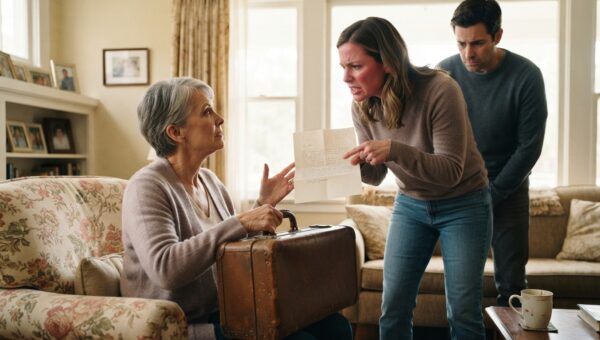
Clara shouted right in my face, Pay rent or get out, and she chose Christmas dinner to say it. Her face was flushed, and those sharp eyes of hers were narrowed like she was looking at a trespasser instead of the person who had covered their mortgage payment for the last fourteen months. The Christmas lights blinked red and green through the window behind her, casting weird colored streaks across the frost on the glass. The silence in the room was the heavy kind, the kind that makes your ears ring.
I looked down at my son, Marcus, sitting there with his fork half-raised halfway to his mouth. He didn’t look back up at me with shame. He just smirked, took a slow bite of his roll, and tossed out a line that still rattles around in my head when I try to sleep. Let’s see how you survive now.
I didn’t argue with them. I didn’t raise my voice or start crying the way Clara probably expected me to do so she could play the victim. I just looked at both of them, took a deep breath, and felt something heavy snap loose inside my chest. I turned around, walked down the narrow hallway to the guest room I had been staying in since my own house had sold the previous spring, and started pulling my suitcases out of the closet. I didn’t pack fast, but I packed steady. I folded my sweaters, tucked my wool socks into the corners, and placed my mother’s silver hand mirror right in the center of the top case.
When I walked back out to the kitchen, the pecan pie was still sitting on the counter, cooling off nicely. I picked up the glass pie plate with both hands, carried it out to my old sedan, and set it carefully on the passenger seat next to my purse.
The drive over to the west side of town took about twelve minutes because the roads were slick with black ice and nobody was out. My tires crunched over the gravel driveway of the small brick bungalow I had closed on three weeks earlier without telling a single soul in that family. I had kept the keys in my pocket ever since the title company handed them over, treating the purchase like a secret insurance policy against my own growing unease. I unlocked the front door, flipped on the overhead light, and stood in the middle of an empty living room that smelled faintly of fresh paint and old cedar.
I set the warm pecan pie down on the bare plywood counter in the kitchen, took off my coat, and sat down on an overturned packing box. That was the exact moment the panic didn’t come, just a deep, ringing quiet that felt like breathing clean air after being stuck in a cellar for three years.
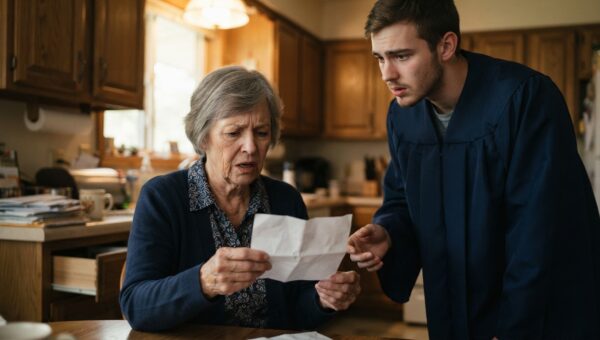
The next few days passed in a blur of cardboard boxes and utility hookups. I called the power company, the water department, and the internet provider, getting everything switched over to my name with the quiet efficiency of a woman who had run a household for forty years. Marcus didn’t call on Monday, and he didn’t call on Tuesday. By Thursday morning, I was sitting at my new kitchen table drinking instant coffee when I opened my laptop to handle the real work. For the past three years, ever since Marcus lost his job at the lumberyard and Clara decided to go back to school for interior design, I had been the invisible safety net holding their entire life together. I paid their car insurance, I covered their electric bill whenever it spiked in July, and I quietly wired four hundred dollars into their joint checking account every single Friday so they could buy groceries without fighting about money.
I didn’t get angry as I pulled up the online banking portal. I just opened the recurring transfer page and clicked delete. Then I did the same for the automatic bill pay linked to my credit card for their internet and streaming services. It took about four minutes of clicking. I remember looking out the window at the gray sky over the Nebraska prairie and wondering how long it would take for the text messages to start rolling in. I didn’t have to wait long. By Friday afternoon, my phone lit up with a notification from Marcus that simply said, Mom, the power is off. Did you change the auto-pay date? I stared at the screen for a long time, wiped the counter with a damp sponge, and didn’t type a single word back. Let them figure out how to survive.
By the second week of January, the cold snap really dug its claws into the town, and the initial shock for the kids had turned into a full-scale scramble. I heard through my sister Martha, who still talked to the neighbors on their block, that Clara had gone storming over to the electric company office demanding to know why her service was disconnected over a past-due balance of four hundred and twelve dollars. They apparently told her the card on file had been declined because the funding source was permanently severed. Martha called me on a Tuesday night sounding half-worried and half-impressed. Did you really cut them off, June? she asked me while the wind whistled through the eaves over her kitchen. I told her the truth without blinking. I told her I just stopped paying for things that weren’t mine to carry.
The real test came on a Wednesday morning when the sun was struggling to melt the crust of snow on my front walk. I was wearing my old green cardigan and holding a cup of black coffee when a silver sedan pulled up too fast into my gravel drive, tires spitting small stones against the side of the house. Marcus got out first, looking thin and tired in a coat that was too light for the weather, followed closely by Clara whose hair was pulled back in a messy knot without any makeup. They didn’t knock politely; they hammered on the wooden door until the little brass knocker rattled against the paint. I walked over, unlocked the deadbolt, and pulled the door open just enough to block the threshold. Clara tried to push past me right away, her voice sharp and trembling all at once. What kind of game are you playing, June? We have no heat and the bank called about the car loan.
I didn’t move an inch, holding my coffee mug in my right hand like a shield. You told me to see how I survive, Clara, I said, my voice sounding a lot calmer than I actually felt inside. I’m doing just fine right here. Marcus stared at me, his eyes wide with a mixture of disbelief and genuine fear that he usually reserved for losing his job. Mom, we can’t make rent this month. The landlord is talking about eviction. You can’t just cut us off like we’re strangers. I looked right at my son, the boy I had raised to be a man, and saw how much he had leaned on my quiet generosity until he forgot I was a real person with limits. You chose your words very carefully at Christmas dinner, Marcus, I told him, keeping my tone level. You wanted independence, and now you have it.
Clara started to cry then, not softly, but with that ugly, angry sort of sobbing people do when things don’t go their way. This is cruel, she muttered, wiping her nose with the sleeve of her sweater. You have money sitting in savings, and you’re letting us freeze. I looked her dead in the eye and said the only thing that needed to be said. I worked fifty hours a week in the laundry plant for twenty-eight years so I could have a roof over my head when I got old, not so you two could treat my savings like a retirement fund for your laziness. Get off my porch before I call the sheriff. Marcus opened his mouth to say something, maybe to plead or maybe to threaten, but one look at my face must have told him the well was dry for good. He grabbed Clara by the elbow, turned her around, and walked back down the steps without another word.
They drove away down the road, their exhaust pipe trailing white smoke into the cold morning air. I watched them go until the tail lights disappeared behind the stand of cottonwood trees near the creek. My hands didn’t shake at all as I turned around and walked back into my kitchen. The house was warm, quiet, and smelled faintly of the lemon floor wax I had used the day before. I stepped out onto the front porch, pulling my sweater tighter around my shoulders against the winter chill. I sat down on the top wooden step, looking out over the frosted grass as the sun finally broke through the gray clouds and turned the ice on the roof into a million little diamonds. I took a slow sip of my coffee, feeling the heat all the way down to my chest, and for the first time in ten years, I didn’t owe an explanation to a single soul.