For most of a year I was thirsty and so tired I’d nap before lunch. My doctor said, Doris, that’s seventy-three for you, and sent me home. I believed him. I’d lost twelve pounds without trying, and my dentures quit fitting, so I finally went to the dental place at the plaza. $140 for a cleaning. The young hygienist kept pausing.
She finally asked how long my gums had looked like this, and whether anyone had checked my blood sugar. Never, I said. She pulled off her gloves and went to get the dentist, and when he came in he didn’t look at my teeth at all. He looked at my chart and said, I want you at ER tonight. Your body has been trying to tell us…
It started back when the red maples outside my kitchen window were dropping their leaves in October. I noticed I was waking up with a mouth so dry it felt like I had been chewing on wool sweaters. I kept a quart glass jar of ice water on the nightstand, and by three in the morning I was refilling it from the bathroom tap. I told myself it was just the forced air heating in the house, or maybe the way my sinuses had been acting up since the county paved the back road.
When the tiredness settled into my bones like damp concrete, I figured gravity was just catching up with my seventy-three years.
I went to see Dr. Evans down at the medical park on a Tuesday morning in November. Arthur had always liked Dr. Evans, though Arthur had been gone five years by then, and I suppose I kept going there because the waiting room chairs were the same shade of blue vinyl we had picked out together for our first kitchen set. Dr. Evans tapped my knee with his little rubber hammer, listened to my chest through his stethoscope for maybe four seconds, and smiled that easy, practiced smile he had used on three generations of our town. He flipped my paper chart shut and said, Doris, that’s seventy-three for you. We slow down, our metabolism shifts, and we just need to drink a little more water.
I nodded because he was the doctor and I was just an old widow who didn’t want to make a fuss.
By February, my favorite wool slacks were hanging off my hips like empty flour sacks, and I had to use a whole tube of fixodent every three days just to keep my uppers from clicking when I talked to the grocery clerk. My skin felt thin as onion paper, and my eyesight blurred whenever I tried to read the Sunday paper by the front window. I kept thinking about what Dr. Evans said about seventy-three, and I tried to swallow down the nagging feeling in my gut that told me something in the machinery of my body was grinding to a halt.
When the left side of my lower gum started throbbing while I was eating a bowl of oatmeal, I didn’t call Dr. Evans. I called the Plaza Dental Place across from the Safeway. They could take me on a Thursday afternoon, which suited me fine because it got me out of an empty house where the quiet was starting to feel heavy.
The receptionist handed me a clipboard with a plastic pen, and I sat in a waiting room that smelled faintly of mouthwash and old magazines. I remember paying the receptionist $140 with a twenty and six tens from my purse, watching her feed the receipt through the little silver machine on the desk.
The young hygienist who called my name was named Maya. She had dark hair pulled back in a neat clip and wore scrubs the color of a robin’s egg. She leaned the chair back, slipped her green latex gloves on with a sharp snap, and started poking around my gums with that little metal hook. After about two minutes, she stopped. She didn’t say anything right away, just adjusted the overhead lamp so the bright white beam hit my lower jaw dead center. She peered closer, adjusted her magnifying glasses down from her forehead, and asked how long my gums had looked so angry and swollen.
I told her I didn’t know they looked like anything special, seeing as how I was just there because my dentures were swimming in my mouth. She pressed gently on the tissue near my molars, and a little wincing ache shot straight up into my temple. She pulled her hands back, peeled off the green gloves, and dropped them into the small metal wastebasket beside the sink. She didn’t look at my teeth anymore. She looked right into my eyes and asked me if anyone had ever checked my blood sugar. I told her never, because Dr. Evans always checked my blood pressure and told me my heart sounded like a dependable old tractor.
She wiped her hands on a paper towel and told me she was going to get Dr. Sterling. When the dentist walked in, he was a tall man with graying temples and sleeves rolled up to his elbows. He didn’t even pick up the metal mirror or the scraper. He picked up Maya’s clipboard, flipped past the insurance papers to the medical history page I had filled out in the waiting room, and stared at it for a long time. The office was so quiet I could hear the hum of the small refrigerator in the breakroom down the hall. He looked up from the paper, looked at my mouth for maybe five seconds, and then said, I want you at ER tonight. Your body has been trying to tell us…
I sat there in the vinyl chair with the plastic bib still tied around my neck, feeling foolish. I told him I had errands to run, that I needed to pick up a loaf of bread and some milk at the Safeway before the evening rush. Dr. Sterling didn’t smile. He folded my chart, handed it back to Maya, and told me that my gums were showing the advanced, unmistakable warning signs of a system that was completely overwhelmed by sugar it couldn’t process. He said my blood glucose was likely sitting somewhere up in the rafters, and if I went home to my kitchen instead of the hospital down on Fourth Street, I might not wake up to see Friday morning.
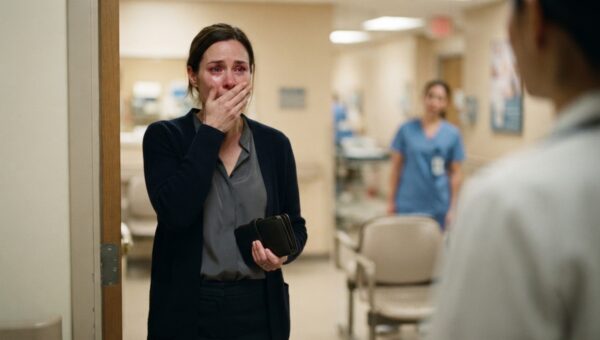
The drive to the county hospital was a blur of gray slush and windshield wipers. I parked my old sedan in the back lot by the delivery bay because the regular spots were full, and I walked through those heavy double glass doors with my handbag clutched against my ribs like a shield. The waiting room smelled of floor wax and stale coffee, and the man behind the intake glass asked me my name three times before his computer agreed to spit out a blue plastic wristband. They sat me on a stiff orange chair next to a woman holding a crying baby wrapped in a yellow blanket, and I stared at the linoleum floor until my name was called over the loudspeaker.
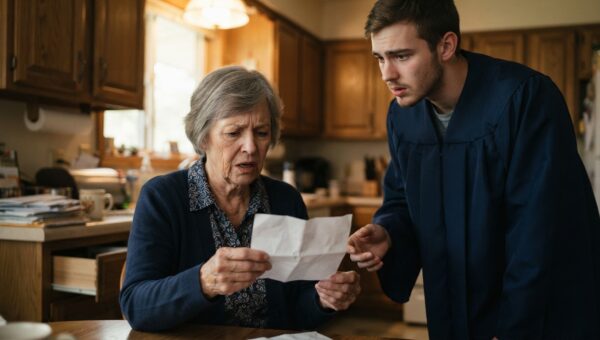
In the little curtained room behind the nurses’ station, a young doctor with tired eyes and a stethoscope dangling from his pocket listened to me talk about Dr. Evans and the seventy-three-year-old metabolism. He didn’t say much while he shined a light in my eyes and poked at my belly. Then a nurse came in with a tray full of vials and needles, tied a rubber strap around my arm, and drew two tubes of dark blood that looked thick as syrup. The doctor came back twenty minutes later with a printed paper covered in numbers, and he pointed a finger at a line that read over four hundred. He told me I was suffering from severe hyperglycemia and near-diabetic ketoacidosis, and that my body had been burning its own muscle and fat for months because the sugar in my blood couldn’t get into my cells.
I spent three days in a quiet room on the third floor of the hospital, watching the saline drip into the back of my hand and listening to the soft beep of the monitor by the bed. My daughter, Sarah, drove down from Portland on Friday afternoon, bringing a bag of clean clothes and a worried look that she tried to hide behind a cup of hospital cafeteria tea. She sat in the vinyl armchair and held my hand, her thumb rubbing over my knuckles while I told her about the dental cleaning and the $140 receipt sitting in my purse. She didn’t yell at Dr. Evans right then, but I could see the hard set of her jaw, and I knew she was thinking the exact same thing I was.
When they discharged me on Sunday morning with a little plastic box of insulin pens and a glucometer that beeped every time I pricked my finger, I didn’t go straight home. I had Sarah drive me to the medical park by the plaza. I sat in the passenger seat with my discharge papers folded neatly in my lap, feeling stronger than I had felt in a year now that my blood wasn’t swimming in poison. We walked through the front doors of Dr. Evans’s clinic, past the blue vinyl chairs where I had sat a dozen times while my life was quietly slipping away.
The receptionist looked up from her computer, her face softening into that polite, neighborhood smile she reserved for regulars. She asked if I was there to pick up a refill slip or schedule my spring checkup. I laid my hospital discharge summary right on top of her Formica counter, right where she usually kept the appointment cards. I told her I was there to request my complete medical history files for an immediate transfer to a new physician across town. She blinked at the hospital letterhead, her fingers hovering over the keyboard like she didn’t quite know what button to push.
When Dr. Evans stepped out of his back office a minute later, wiping his hands on a clean paper towel, he looked surprised to see me standing there without an appointment. He walked over, his face smoothing into that familiar, easygoing expression, and asked if my dentures were still giving me trouble. I didn’t raise my voice. I didn’t wave my arms or make a scene in front of the other patients in the blue chairs. I just looked him square in the eye and told him that seventy-three wasn’t a diagnosis, and that a ten-dollar blood test would have saved me a week in the ICU if he had bothered to look at anything besides my birth year. He opened his mouth to say something, maybe to offer an excuse about insurance guidelines or routine aging, but I turned around before he could get the first word out and let the heavy glass door swing shut behind me.
Now, six months later, the world looks different through my kitchen window. I sit at the bright laminate counter every morning at seven, watching the finches at the feeder while I measure out my medication with steady fingers. My weight has leveled off, my strength is back in my legs, and my new dentist fitted me with a proper set of teeth that let me chew an apple without winking at the ceiling. Sunlight catches the rim of the glass of ice water sitting right beside my plate, cold and clear and actually tasting like something worth having.