The notification light on my bedside table blinked three times at 6:15 in the morning, casting a sharp blue flash against the floral wallpaper I had pasted up myself back in nineteen-eighty-four. It was a text from the deacon, saying the special collection for my hospital stay had cleared the vestry and the check was already in the mail. My hip was still pinned together with three titanium screws, and every time the weather turned damp, my right leg felt like it had been dipped in freezing river water.
I rolled over, propped my head up on a feather pillow that had lost its loft ten years ago, and tried to feel grateful. The congregation had always been generous in the way small-town Methodist congregations are, pooling small bills and silver coins into brass plates until the wood groaned.
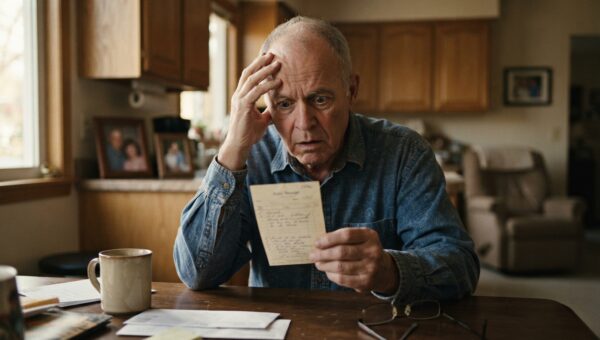
Three days later, the mail carrier shoved a thin, white window envelope through the slot in my front door. It landed on the linoleum with a dry slap that made my cat jump off the ottoman. I didn’t even use a letter opener; I just hooked my thumb under the flap and ripped it straight across. The check inside was written in blue ink with the church’s routing number stamped neatly at the bottom, signed by the treasurer and countersigned by the head of the counting committee. The figure typed across the center read nineteen hundred dollars. My thumb stayed pressed against the paper for a long minute while I tried to remember the Sunday sermon three weeks prior when the pastor leaned over the pulpit and announced the exact total of the love offering with his hands raised.
He said six thousand two hundred dollars, praise God, and the entire sanctuary let out an audible sigh of relief.
I figured expenses, of course. Maybe the district took a cut for administrative costs, or maybe some pledges hadn’t cleared yet. But nineteen hundred out of six thousand two hundred is not an administrative fee. That is more than four thousand dollars simply vanishing between the collection plate and the bank deposit bag. I spent the next two hours sitting at my kitchen table with my leg propped up on a folding chair, staring at the check until my eyes watered. My nephew Arthur had dropped off groceries the day before, and when he left, he mentioned offhand that his wife Martha had finally gotten around to redoing their backyard patio with those heavy gray paving stones from the nursery down on Route 9. Brand-new patio furniture, the kind with thick Sunbrella cushions that cost more than my first used sedan.
I am not a suspicious person by nature, but I am an old secretary who spent thirty-four years balancing municipal water accounts down at the county seat, and my brain refuses to look at numbers that don’t line up.
Martha runs the counting committee with the kind of iron-fisted efficiency that makes the pastor give her a plaque every Thanksgiving. She sits in the small, windowless room behind the fellowship hall every Sunday after the second service, surrounded by ledger books, coin wrappers, and heavy canvas bags. Nobody else ever goes in there while she is counting. The elders trust her because her grandfather helped build the steeple and her family has given memorial windows to the sanctuary for three generations. When I called the parish office to ask about the discrepancy in my love offering, the young girl who answers the phone stammered something about accounting shifts and promised to look into it.
Two weeks went by with no call back. The silence in the parish office felt heavier than any runaround.
I didn’t call back. Instead, I called down to the county records office and asked about public charity filings, then made a slow, painful walk up the concrete steps of the parish hall on a Tuesday morning when I knew the building would be empty except for the part-time custodian. The church giving records are technically open to any member in good standing upon written request, a rule nobody had invoked since the seventies. The office secretary looked like she had seen a ghost when I slid my formal request across her desk, but she handed over the three gray binders containing the weekly audit sheets without a word. I carried them back to my Buick, laid them out across the passenger seat, and drove straight home to my kitchen table.
For the next four days, I didn’t turn on the television. I sat with my reading glasses sliding down the bridge of my nose, a yellow legal pad, and a red ballpoint pen. I matched three years of announced pulpit totals against the carbon copies of the deposit slips stapled inside the binders. Sunday after Sunday, special offerings for the winter heating fund, Easter lilies, memorial funds for elderly saints who had left their life savings to the steeple fund, all of them showed the same quiet pattern. The pulpit announced one number to the congregation, but the carbon copy recorded something entirely different. The difference stayed consistent, month after month, like a quiet tax collected by invisible hands. Every fund Martha touched had a hole in the bottom of it, and the missing sums were funding things like landscaping, professional grooming for her show dogs, and that gray stone patio out on Maple Street.
By Friday, the legal pad was full of neat columns and red checkmarks. My hip throbbed with a dull, rhythmic ache that kept me awake until four in the morning, but my mind was entirely clear. I didn’t feel angry anymore; I just felt the cold, heavy certainty that comes from watching a lock click shut. I printed out the summary page, folded the carbon copies into a thick manila folder, and walked into the dining room. I pulled open the heavy wooden drawer of the old walnut sideboard that my grandmother had brought down from Ohio, tucked the folder right beneath the stack of starched linen tablecloths, and pushed the drawer shut until the brass latch clicked into place.
Sunday dinner at my house is a tradition that has survived three decades of family feuds, divorces, and teenage rebellions. Arthur pulls his truck into the gravel drive right around noon, and Martha follows ten minutes later in her SUV, smelling faintly of lavender and church mints. This week, she walked through the screen door carrying a heavy pyrex dish of scalloped corn, her silver earrings catching the midday light through the window. She kissed my cheek with the dry, quick peck of someone performing a civic duty and immediately set about rearranging the butter dish on my counter because she never did like the way I set my table.
We sat down to eat just after one o’clock. The roast beef was tender, the potatoes were steaming, and Arthur talked too loudly about the high price of diesel fuel while he carved the meat. Martha sat across from me with her napkin neatly spread over her lap, chatting with my niece about the upcoming choir robes. She looked completely at ease, the picture of small-town Christian charity, her silver hair styled into soft waves that didn’t have a single strand out of place. Every time she laughed, she tilted her head back just a fraction, the way she always did when she wanted people to notice how pleasant she was.
The meal moved through its usual rhythm until the basket of dinner rolls came around. Arthur was busy cutting more beef, and my niece was reaching for the butter boat. Martha picked up the wicker basket lined with a checkered napkin, warm rolls piled high in the center, and held it out toward me across the mahogany table with her customary, practiced smile. Her fingers rested lightly on the rim of the basket, perfectly manicured and steady.
I didn’t take a roll. I reached down, pulled the brass handle of the sideboard drawer, and slid the manila folder out from beneath the linen tablecloths. I laid it flat on the tabletop right beside the gravy boat, the white pages and red checkmarks stark against the dark wood. I opened the cover back to the summary sheet for nineteen-eighty-nine through the present, right where the columns totaled up the missing four thousand three hundred dollars from my love offering alone, alongside the three-year tally of every other depleted fund.
Nobody said anything for a second, and honestly that felt worse than shouting. Arthur stopped his knife mid-stroke on the roast beef, the steel scraping softly against the ceramic platter. Martha’s hand stayed frozen on the rim of the roll basket, her smile lingering for a fraction of a second before her mouth went slack and her eyes dropped to the paper.
I didn’t raise my voice. I just looked straight at her across the butter dish and asked her how she managed to misplace four thousand three hundred dollars from a single love offering when the bank records only showed nineteen hundred deposited.
Martha’s lips parted, but no sound came out. She tried to pull her hand back, but her fingers seemed stuck to the wicker weave of the basket. Arthur looked from the paper to his wife, his forehead bunching up in that slow, heavy way it always did when he was trying to understand something complicated. He asked what she was looking at, his voice dropping into that low, confused register that husbands use when their world starts tilting sideways.
Martha finally found her voice, thin and sharp like a dry twig snapping underfoot. She told me I had no business going through parish files, that I was just an old woman with too much time on her hands since I broke my hip. She said it with enough of her usual parish-committee authority that she almost sounded convincing. But she didn’t deny the numbers. Her hands started trembling against the edge of the table, and the wicker basket rattled slightly against the mahogany.
Arthur leaned over, pulled the folder toward himself with thick, grease-stained fingers, and looked down at the carbon copies of the deposit slips. He didn’t say a word for a long time. He just stared at Martha’s handwriting, neat and familiar, entering numbers that didn’t match the pulpit announcements. He didn’t look angry yet, just profoundly tired, the way men look when they realize they have spent thirty years defending someone who was never standing on solid ground.
I told her she had until Tuesday morning to return the rest of the money to the parish vestry and step down from the counting committee, or I would hand the whole folder over to the district superintendent myself. Martha didn’t argue anymore. She just set the roll basket down hard on the table, stood up so fast her chair screeched against the floorboards, and walked out the front door without her sweater, leaving Arthur sitting at my table with the papers spread out before him.
The heavy wooden sideboard drawer was pushed firmly shut, the brass latch catching with a dry, final snap, leaving the dining room quiet, clean, and anchored in hard-won truth.