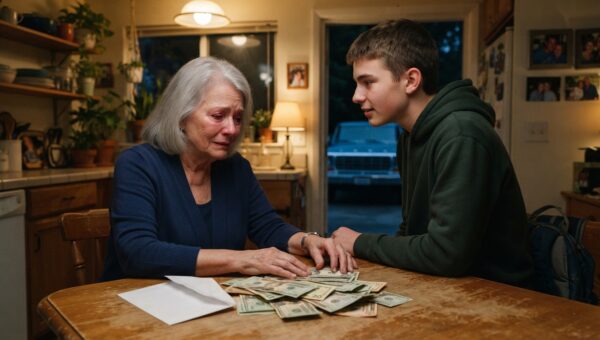
For twenty years, Dennis never touched the kitchen after dinner. He made the money, I managed the house and the kids, and that was the unwritten rule of our marriage. If a glass sat on the counter, it stayed there until I moved it. If the trash can overflowed into a precarious mountain of coffee grounds and milk jugs, Dennis simply stepped around it or wedged another cereal box on top until the whole tower shifted.
Then came the shift. Three weeks ago, Dennis turned into a domestic fanatic. He started volunteering to clear the table before I could even stack the plates. Every single night around nine o’clock, he would tie off the heavy black garbage bag, hoist it over his shoulder with a theatrical little grin, and haul it out to the big plastic bin by the alley. At first, I thought it was sweet. I honestly figured he was just mellowing out as we hit our forties, maybe feeling a sudden pang of guilt about letting me shoulder the domestic load while the kids grew up.
Friday night we had neighbors over for a casual backyard dinner. The house was loud, full of teenage laughter and the clatter of silverware against paper plates. Dennis was exceptionally cheerful, darting between the patio and the kitchen, constantly gathering trash, insisting that he wanted everything spotless before we went to sleep.
He took out two massive bags right before midnight while our guests were still lingering by the fire pit. I remember thinking he was overdoing it a bit, but I was too tired to care.
Saturday morning dawned bright and crisp. The kids were still sleeping off their late night, and the house had that heavy, quiet stillness that only weekends bring. I poured my coffee into a chipped mug and noticed the small bathroom basket needed emptying before I started my chores. I grabbed it, stepped out the back door into the cool morning air, and walked toward the large green wheelie bin parked against the fence.
The lid was slightly ajar, jammed open by something bulky wedged underneath. I reached out, grabbed the heavy plastic lid, and hoisted it back. When I opened the bin and saw our torn trash bags, I SCREAMED because the black plastic had split wide open down the side, spilling a chaotic confetti of shredded paper all over the rest of the household waste.
It wasn’t just kitchen scraps. Hundreds of narrow paper ribbons were mixed in with coffee filters and eggshells. I stared at it for a long second, my brain refusing to connect the pieces, before I reached down with two trembling fingers and pulled out a wet, crumpled strip. Printed clearly on the heavy cardstock was a bold banking logo and the words PAST DUE.
My heart did a strange, heavy stutter in my chest. I didn’t know what to do with my hands, so I just kept digging through the garbage like a stranger trespassing in my own life. Another strip came up bearing my home address. Another showed an account number I had never seen before in my life, followed by a terrifying balance in the red.
I stood there in the quiet Saturday morning sunlight, the green bin lid digging into my forearm, reading fragments of legal notices and bank threats that Dennis had painstakingly put through a crosscut shredder before dumping them under a layer of wet lettuce and coffee grounds.
He hadn’t been taking out the trash to be helpful. He had been running a nightly disposal operation.
I left the bin wide open, walked back inside the quiet house, and headed straight for his home office. The door was unlocked, which was rare for Dennis. I pulled open his bottom desk drawer, the one where he always kept his tax folders and passport, and found a bulging manila envelope shoved behind the false back.
It didn’t take an accountant to understand what I was looking at. Three second mortgages taken out against our family home over the past four years. Default notices. Foreclosure warnings carrying deadlines from two weeks ago. A mountain of debt totaling over two hundred thousand dollars, accumulated through online trading accounts he had hidden from me since the kids were in middle school.
The front door clicked open around eleven. Dennis walked in carrying a bag of bagels, humming softly to himself, stopping dead in his tracks the second he saw me sitting at the kitchen island with the damp, pieced-together paper strips spread out across the granite.
He didn’t run. He just dropped the bag of bagels on the counter, and the plastic crinkled like a gunshot in the silence.
“How long?” I asked. My voice didn’t even sound like mine. It sounded small and dry, like someone talking from the bottom of a well.
Dennis swallowed hard, his eyes darting toward the open patio door where the green bin sat outside. “I was going to fix it,” he said, and his voice was so pathetic it made me sick. “I just needed a little more time.”
“You shredded our life and threw it in the garbage, Dennis.”
“I didn’t want you to stress,” he stammered, stepping closer, his hands raised in that pleading way men use when they think they can talk their way out of a burning building. “The market turned. It was just bad timing. I can get a consolidation loan. I’ll figure it out.”
“You’re not figuring out a damn thing,” I told him, and the coldness in my chest felt permanent. “You’re getting out of this house today.”
He tried to argue, throwing out excuses about the kids and the neighbors and twenty years of history, but every word he said just bounced off the wall. I didn’t yell anymore. I didn’t cry. I pulled my phone from my pocket and dialed the number of the real estate attorney my sister had used during her divorce, listening to the automated ringtone echo against the clean, quiet kitchen walls.