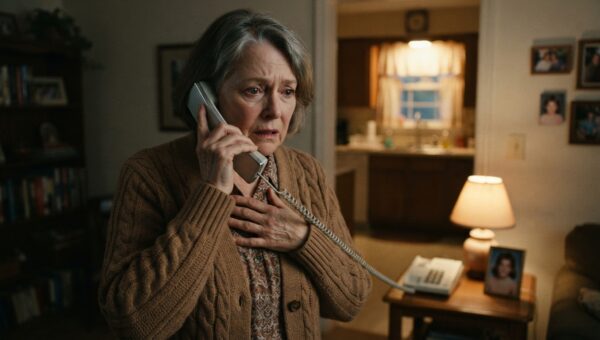
The kitchen was quiet except for the low hum of the refrigerator and the ticking of the wall clock that had hung there since my husband passed away eleven years ago. I was sitting at the oak table with a cup of instant decaf when the phone screen lit up against the wood grain at 8:43 in the evening. It was a single text message from Sarah, my only daughter, who lived just two towns over in a subdivision with manicured lawns and HOA fees she could barely afford.
I did not think much of it at first because Sarah always texted when she wanted something or when David, her husband of four years, had grumbled about something I said at Sunday dinner. But when I unlocked the screen and read the words, the warmth of the coffee seemed to curdle in my throat.
Mom, David and I have decided we need real distance from you. Your negativity and constant involvement have become too much. Please respect our decision and don’t contact us anymore.
I stared at those words for nearly a minute while the kitchen clock ticked on. My thumb hovered over the screen, the blue light catching the small wrinkles around my knuckles that I had inherited from my own mother. I did not cry, and my blood did not run cold, but something inside my chest settled into a hard, cold block of ice.
After all those years of driving out to their house on Tuesday afternoons with casseroles, after covering the deductible when David backed his truck into a telephone pole, after quietly setting up the automatic transfers from my retirement account to keep their life running smoothly, this was the summary of my motherhood. Negativity.
I took a slow breath, opened the messaging app, and tapped out a reply that was just as short as hers. Okay. I’ll respect your decision.
If the story had ended there, I probably would have spent the next three months sitting by the phone, crying into a dish towel, wondering where I went wrong. But there was one small detail Sarah had conveniently forgotten in her quest for emotional independence. For the past three years, my bank account had been quietly paying their mortgage, their car insurance on the silver sedan, and their quarterly homeowner association dues. A total of $1,842.50 auto-drafted every single month like clockwork.
So I sent one more message before setting the phone face down on the table. I’ll also stop the automatic payments I’ve been making for your house and car.
I stood up, rinsed my coffee mug in the sink, and walked down the hall to my bedroom.
I was halfway through brushing my teeth when the first call came in. The phone buzzed against the nightstand, vibrating the mahogany wood. I ignored it. Then it buzzed again. And again.
By 9:15, my call log looked like a stock ticker going haywire. Sarah called six times. David called twice. Then Sarah called again, her name flashing bright and persistent in the dark room. I turned the ringer off, slid the phone into the top drawer of my dresser, and went to bed. I slept six hours straight, which was longer than I had managed in months.
The next morning, the sun came up bright and pale through the maple trees in my backyard. I made my usual pot of coffee, poured a cup, and sat down at my laptop to check my online banking portal and verify that the stop-payment orders had gone through cleanly.
That was when I found the PDF statement sitting in my email inbox from the county property records alert service I had signed up for when I helped them buy the house.
It was a digital copy of a refinance application and a second-lien equity loan notice filed late yesterday afternoon.
I scrolled down to the signature page, and my eyes locked onto the numbers. They had taken out a $65,727 home equity line of credit to remodel their kitchen and buy David a new boat, using my steady, guaranteed monthly bank contributions as verified income stability on the loan officer’s desk. The text message had not been about emotional space at all. It had been a timed legal maneuver. They needed me legally cut out of their daily lives so I could not audit their finances or ask awkward questions about the loan, but they needed my automatic bank drafts to keep running until the ink on the mortgage refinance was completely dry.
They wanted my money without my voice. The cruel text was just the opening salvo of their paperwork strategy.
I sat there at the kitchen table for a long time, watching the steam rise off my coffee until it disappeared into the cool air. The house was so quiet I could hear a blue jay scolding a squirrel out by the birdfeeder. I did not feel broken anymore. I just felt remarkably, terribly clear-headed.
By noon, the front doorbell started ringing. It was a sharp, aggressive sound that echoed down my hallway. I walked to the front door, looked through the small glass peephole, and saw Sarah standing on my porch with David hovering right behind her shoulder. Sarah’s hair was pulled back into a messy ponytail, and her face was flushed red under her makeup. David looked like he was about to put his foot right through my screen door.
I unlocked the deadbolt, pulled the heavy oak door open about six inches, and kept the safety chain firmly in place.
Sarah didn’t even wait for me to say hello. Her voice cracked with a mixture of rage and sheer panic as she shoved her face toward the gap in the door. Mom, what did you do?! Our mortgage check bounced at 9:00 a.m. and the bank is threatening to freeze our accounts! You can’t just cut it off like that!
I looked at her through the narrow metal link of the chain, taking in the expensive designer sneakers she was wearing and the gold watch on her wrist that I had bought her for her birthday two years ago.
You said you needed real distance, Sarah, I said, and my voice sounded surprisingly steady to my own ears. Distance works both ways. You wanted your independence, so I figured I should stop cluttering your life with my constant involvement.
David pushed past her, planting his palm flat against the wooden frame of my door. Listen here, Amber, we have legal obligations! You’ve been paying those bills for years, which means you established a financial precedent! You can’t just pull the rug out from under us like this without warning!
I didn’t yell. I didn’t raise my voice an inch. I just looked him dead in the eye until he shifted his weight uncomfortably on my welcome mat.
I saw the refinance papers from yesterday, David, I said quietly. You needed the no-contact text to clear me off the title notifications so you could leverage my accounts for your boat loan without me knowing. You didn’t want me out of your life. You just wanted me out of the paperwork.
Sarah went completely still. The anger drained out of her face in an instant, replaced by that pale, trapped look people get when they realize the trap they set has snapped shut on their own fingers.
Mom, please, Sarah whispered, her voice dropping all its previous venom. We were just trying to get ahead. Everything is so expensive right now, and you have savings just sitting there doing nothing. If you let the bank foreclose now, we’ll lose everything.
You wanted real distance, I repeated. Go enjoy it.
Before either of them could say another word, I slid the door shut, dropped the deadbolt into place with a heavy, satisfying click, and walked back down the hallway to the kitchen.
I heard them shouting outside for a few minutes, pounding once or twice on the wood before Sarah started crying real, ugly tears that I could hear right through the weather-stripping. Then came the heavy slam of their car doors, the angry roar of David’s truck engine revving too high in the gravel, and the crunch of tires backing out of my driveway in a hurry.
I stood by my kitchen window with a fresh cup of tea, watching their silver sedan turn the corner at the end of the street and disappear behind the neighbor’s hedge. The driveway was completely empty now. The morning light caught the edges of my front porch, clean and quiet and entirely my own.