The screen door on our back porch has had a three-inch split in the lower wooden rail since the summer of 2018, and it makes a sharp, dry slap whenever the wind catches it just right. I stood right there by that screen door at seven o’clock on a Tuesday morning, watching Mama load the second of three blue suitcases into the trunk of Dad’s sedan.
Bethany was already sitting in the front passenger seat, adjusting her sunglasses and scrolling through her phone without a care in the world. Dad was fussing with the zipper of a garment bag, muttering something about airline weight limits and extra baggage fees.
“Now, Loretta,” Mama said, turning around with her purse slung over one elbow and that tight, practiced smile she only used when she was explaining why things weren’t quite fair. “You know how tight money has been since the grain elevator cut our hours. We simply couldn’t swing the airfare for two. Two thousand dollars a ticket is no small thing, honey.”
“I know,” I said. My voice was quieter than I meant it to be.
“So you stay here and keep an eye on things,” Dad added, slamming the trunk lid down with a dull thud that made the license plate rattle. “Water those ferns on the front porch every other day, check the mail so the box doesn’t overflow, and keep the grass trimmed.
We’ll send you pictures from Rome when we get settled. Bethany’s been needing this trip for her nerves, you know that.”
I knew that. Bethany always needed something for her nerves, whether it was a weekend shopping trip to Kansas City or a brand-new set of tires for her hatchback, while I spent sixty hours a week at the county records office and the diner down on Main Street. They kissed my cheek, both of them smelling of expensive duty-free perfume and sunscreen, and then the sedan rolled down the gravel drive, scattering dust against the blackberry canes.
I didn’t cry. I didn’t even feel the usual heavy drop in my stomach that usually came with being told I was the spare part in our family. Instead, I stood there on the porch listening to the cicadas start up in the maples, and for the first time in five years, my brain felt remarkably clear.
I walked back inside, shut the screen door, and listened to that familiar slap one last time.
The house was terribly quiet. I walked from the kitchen into the living room, running my hand along the arm of the beige sectional sofa. I remembered the exact afternoon three years ago when I bought that couch. Mama had complained for weeks that the old floral davenport was ruining her back, so I took six hundred dollars from my savings account and had the delivery truck drop this one off while they were at church. They never asked where the money came from. They just sat down and made themselves comfortable.
Then I walked down the hall into Bethany’s bedroom. It smelled like lavender sachet and hairspray. Her closet was half-full of designer clothes Mama bought her for the trip, while my own wardrobe fit neatly into two plastic drawers under my bed in the tiny converted sunroom at the back of the house.
I looked at the desk lamp, the standing mirror, the throw pillows, and the heavy braided rug under my feet.
The thing nobody ever talked about in our family was who actually paid the bills. Dad’s pension covered the property taxes and the electric bill on a good month, but everything else, from the microwave in the kitchen to the smart television in the den, had been bought with my diner tips and county salary while I paid them four hundred dollars a month in board. I wasn’t a guest in that house. I was the silent partner who funded the operation while being treated like an unwanted guest.
I pulled out my phone and dialed the number for a local moving service I had found online the night before.
“We can do Saturday morning,” a gruff voice named Hank told me after I explained what I needed. “Three men and a box truck. You got the paperwork ready?”
“I have every receipt,” I told him. “Every single one.”
The next few days were a blur of boxes, bubble wrap, and quiet determination. I started with my own small sunroom, packing my clothes, my books, and the small desk I had bought at an estate sale when I first started working. But I didn’t stop there. I went through my filing cabinet in the back of the closet, pulling out every paper receipt, every store invoice, and every bank statement going back thirty-six months.
On Thursday afternoon, the living room looked less like a home and more like a stage set after the actors had gone home. Hank and his two nephews showed up right at eight o’clock on Saturday morning with a twenty-six-foot box truck. They didn’t ask questions. They just backed up to the front porch while the neighborhood dogs barked in the distance.
“You sure about this, miss?” Hank asked, wiping sweat from his forehead with a red bandanna as he looked at the sectional sofa we had just carried out the front door.
“I bought it,” I said, handing him the original store receipt from the furniture outlet in Springfield. “My name is right there on the invoice.”
“Alright then,” he muttered, hoisting the other end into the back of the truck. “Up she goes.”
By Monday evening, the house looked entirely different. The big television was gone. The microwave was gone. The kitchen table and chairs, which I had purchased after Mama let a pot boil over and ruined the old oak set, were loaded and secured. Even the mattress in the guest room, which I bought when an aunt came to visit and complained about the springs, was leaning against the wall of my new second-floor apartment across town.
I had signed a six-month lease on a modest two-room flat above an old hardware store on Elm Street. It didn’t have granite countertops or central air, but when I sat down on my small thrifted folding chair on Tuesday night, listening to the ceiling fan turn over, nobody was going to ask me to wash their laundry or finance their next vacation.
The second week passed in a flurry of settling in and working my shifts at the diner. My phone buzzed occasionally with text messages from Mama and Dad, full of Italian sunshine and pictures of pasta plates I couldn’t care less about. I left the read receipts turned off and kept my phone on silent.
“Having the best time,” Mama texted on day nine, along with a picture of Bethany smiling in front of some cathedral. “Hope you’re watering those ferns. Dad says make sure the mail is stacked on the kitchen table so the hall looks lived in.”
I didn’t answer. There was nothing left to say.
On the fourteenth day, the gray sedan pulled back into the gravel drive around four in the afternoon. I knew the exact timing because my sister had posted a selfie at the Kansas City airport three hours earlier with the caption home sweet home.
They must have walked up the front steps expecting the usual routine. Mama would be tired, complaining about airline coffee, and expecting me to have a pot of coffee brewing and pot roast in the oven. Dad would be grumbling about his suitcase zipper finally giving out near Milan.
Instead, they walked into a house that echoed.
My phone rang at 4:52 in the afternoon. It wasn’t just a missed call; it was three calls in rapid succession from Mama’s cell phone, followed by one from the landline. Then a text came through that didn’t sound like Mama at all.
“Where is the couch?” the text read. “Loretta, where are the kitchen chairs? What kind of sick joke is this?”
I waited five minutes before I picked up the landline. I didn’t want to text. I wanted them to hear the steady, calm tone of someone who was finally free.
“Hello, Mama,” I said.
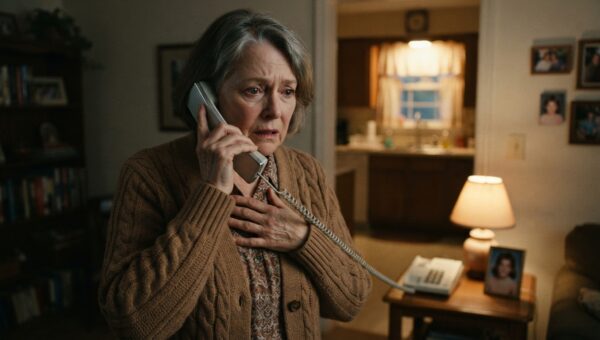
“Loretta Louise, what on earth has happened to this house?” Mama’s voice was shrill, cracking right at the edge of panic. “I walked into the living room and there is nothing in there. The television is gone. The microwave is gone. Even the refrigerator is missing, how are we supposed to keep milk?”
“The refrigerator was mine, Mama,” I said quietly, leaning back against the wall of my new apartment while looking out the window at the brick storefront across the street. “I bought it when the compressor blew out two summers ago. Remember? You told me you didn’t have the spare four hundred dollars.”
“Where is everything?” she screamed, and I could hear Dad in the background shouting something about calling the sheriff. Let him call the sheriff. I had a manila folder sitting on my kitchen counter right now containing every single sales slip, bank statement, and credit card slip proving ownership of every item that had crossed that threshold.
“You told me you could only afford to take one daughter to Italy,” I said, and my voice didn’t shake once. “And you reminded me that I was just here to keep an eye on things. Well, I kept an eye on things. And then I took back everything I paid for.”
“You can’t just strip a house bare!” she cried out, and I heard the sound of her dropping something heavy on the bare kitchen floorboards. “We have guests coming on Sunday! How are we supposed to sit down?”
“I don’t know,” I said. “Maybe Bethany’s nerves can handle standing up for a while.”
“Loretta, you bring those things back right now or so help me, “
“My number is blocked, Mama,” I interrupted, the words coming out easy and flat. “And the folder with all the receipts is sitting right where the microwave used to be. You’ll see my name on every single one of them. Don’t call me again.”
I tapped the screen, ending the call before she could draw another breath. I didn’t block them permanently right then, but I knew I wouldn’t need to answer when they realized the depth of what had happened.
The apartment was quiet, save for the low hum of the small secondhand refrigerator in the corner and the distant sound of traffic rolling down Elm Street. I walked over to the narrow wooden counter by the window where my things were arranged just so.
I reached up and pulled a ceramic mug down from the shelf, filling it slowly with hot water from the kettle. I set the mug on the modest wooden table I had bought off a neighbor for twenty dollars, pulling out a chair that didn’t wobble and didn’t belong to anyone else.
A steaming cup of coffee sat on that modest wooden table in my own sunlit apartment. My own space, paid for by my own sweat, completely free of debt and expectation.