PART 2
I drove back to my modest rented apartment, the heavy wooden churn sitting upright on the passenger seat beside me. Every time I hit a bump in the road, the wooden dasher inside rattled against the cylinder, sounding like a steady, rhythmic heartbeat.
By the time I reached home, the afternoon light was dying, casting long golden shadows across my small kitchen. I set the churn down on the center island. Looking at it, the memory of Galen’s cruel laugh in the attorney’s office flashed through my mind, along with the exhaustion of the past six years. I remembered changing Mama’s sheets at three in the morning, holding her hair back while she was sick, and whispering promises that she was safe and loved. My brothers hadn’t seen any of that. They had only seen three hundred thousand dollars waiting to be divided.
I decided to clean the churn. If it was the only piece of my family’s history I was allowed to keep, I wanted it to be cared for properly.
I retrieved a bucket of warm water, mild soap, and a soft rag from under the sink. I pulled the long wooden dasher upward to remove it from the vessel so I could wipe down the inside lid. But as I pulled, the wood jammed.
I frowned, jiggling the handle. The dasher was designed to lift cleanly out of the central opening, but it caught sharply near the bottom, refusing to seat properly or pull free. Thinking a piece of dried debris or old salt was stuck in the bottom groove, I tipped the heavy oak churn onto its side on the kitchen table to get a clear view beneath the rim.
I peered down into the dark opening, using the flashlight from my cell phone.
The interior bottom of the churn wasn’t shaped the way it should have been. A standard churn had a solid, shallow oak base. But inside this one, resting about four inches above the real bottom, was a flush piece of tight-grained cedar. It was held securely in place by four tiny, brass flathead screws that had been dark-stained to match the aged wood, completely invisible unless you were looking for them under direct light.
My heart began to hammer against my ribs. Mama’s hands had been crippled by arthritis during her final years—she could never have driven those screws herself. But my father had been an expert woodworker before he died fifteen years ago. He had built custom cabinets for extra money, and cedar was his favorite wood to work with.
Hands shaking, I ran to my small utility drawer and found an old yellow-handled butter knife with a thin, sturdy blade. I braced the heavy churn with my elbow, wedged the tip of the knife into the narrow seam edge, and slowly worked my way around the cedar plate.
The screws weren’t tight—they had been set with light pressure. One by one, I backed them out, hearing the dry creak of old wood. I pried the cedar floor loose.
Underneath it lay a hidden compartment.
I reached inside, my fingers trembling so hard I could barely grip what was stored in the dark space. The first thing my fingers touched was a thick bundle bound tightly with yellowed rubber bands. I pulled it out into the warm kitchen light.
It was a roll of hundred-dollar bills, as thick as my wrist, bound together so tightly the edges were curled. Beneath the cash sat a yellowed legal envelope, folded in half, and a single piece of lined stationery paper covered in Mama’s familiar, shaky handwriting.
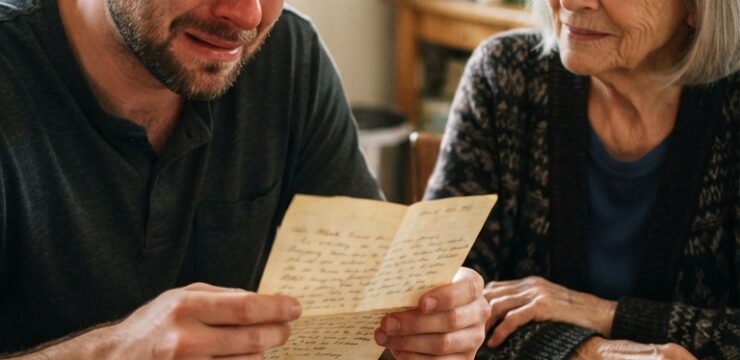
Hardly breathing, I set the money on the table, unfolded the letter, and began to read.
PART 3
The ink on the letter was faint, written in the shaky cursive that Mama had developed in her last few years, but every stroke of her pen was deliberate and resolute.
“For the one who actually showed up,” the letter began.
“Clara, my sweet girl. If you are reading this, it means I am gone, and it means Galen and Mark did exactly what I knew they would do. I watched them over these years, Clara. I watched them come by only when they wanted something, and I heard how they spoke about the farm as if it were already money in their bank accounts. They think they are clever, and they think because you have a soft heart, you are weak. They forgot that your father and I built everything we had with our own sweat, and we never gave our blessings to greed.”
Tears blurred my eyes as I continued reading.
“The will Mr. Vance has in his safe is an old draft I signed years ago before your father died, leaving the land to the boys because that was the tradition. I let them keep believing that was the only paper that existed. But three years ago, when you moved in to nurse me, I had Judge Miller come to the house while the boys were away. Attached to this letter is the original, recorded transfer-on-death deed for the entire three-hundred-acre farm, officially filed in the county registry in your name alone. The land they are fighting over was already yours three years ago. The money in this churn is $45,000 in cash your father saved—it is yours to repair the house.”
“You earned this home not through a piece of paper, Clara, but through your devotion and love. Let your brothers keep the empty bank accounts they were so eager to split. Give them the churn, too, if they want it. But the soil beneath your feet belongs to you.”
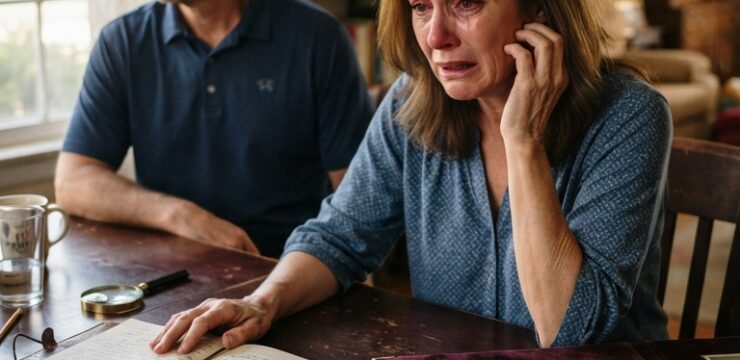
I sat in absolute silence, the letter resting in my lap, tears streaming down my cheeks. The weight of six years of loneliness and exhaustion lifted from my shoulders all at once. Mama hadn’t been helpless. She had seen every sacrifice, counted every hour, and quietly made sure that justice was served.
Two days later, Galen and Mark showed up at the farm with a commercial real estate agent, ready to plant a “FOR SALE” sign in the front yard. They walked up the porch steps carrying folders, looking confident and triumphant.
I came out to meet them on the porch, holding a steamy cup of coffee in one hand and the certified county land documents in the other.
“Clara,” Galen said briskly, not even looking me in the eye. “We’re going to need you to have your things packed and moved out by the end of the month. We’ve got an investor ready to make an offer on the acreage.”
I didn’t get angry. I didn’t raise my voice. I simply handed the official, stamped deed from the county registry over to Mark.
Mark looked down at the document, his smile fading as his eyes scanned the seal and the clear text. Galen leaned over his shoulder, his face turning pale as he read the date of filing and the sole owner listed on the official record: Clara Jean Mercer.
“This… this is impossible,” Galen stammered, his eyes darting from the paper to my face. “The will at Vance’s office—”
“The will at Vance’s office was superseded three years ago, Galen,” I said calmly, taking a sip of my coffee. “Mama signed this deed right here at this kitchen table while you were busy in the city. The farm isn’t yours to sell. It never was.”
ENDING
Galen tried to argue, threatening lawyers and legal battles, but the document was airtight, properly notarized, and recorded long before Mama’s passing. There was nothing they could do. Realizing they had been completely outmaneuvered by the mother they had neglected, both of my brothers left the property that afternoon without another word.
In the months that followed, Mark accepted the reality of the situation and sent a brief text apologizing for how things had been handled at the lawyer’s office. Galen’s pride was too deeply wounded, and he chose to keep his distance—a choice I accepted with a peaceful heart.
I used part of the money hidden in the butter churn to repair the roof of the old farmhouse, update the plumbing, and fix up the garden Mama loved so much. I didn’t sell a single acre of the land. Instead, I leased the pasture to a local family who runs a small dairy operation, bringing life and activity back to the property.
Every morning now, I sit on the front porch with my morning coffee, watching the sun rise over the rolling green hills of the farm that is truly mine.
Inside the house, sitting prominently on the living room hearth, is Mama’s antique butter churn. It no longer holds secrets or hidden cash, but it stands as a daily reminder that real love isn’t measured in quick visits or empty promises. It is measured in showing up—and in the end, love always finds a way to restore what is right.