PART 2
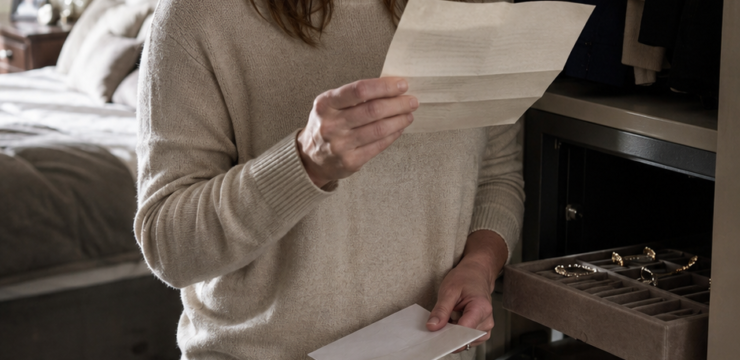
The first three weeks without Gene were a complete blur. Grief is a strange, heavy thing. It wraps around you like a wet woolen blanket, making every movement feel exhausting and every thought cloudy. I moved through the days on autopilot, eating toast over the sink, ignoring the mail piling up on the counter, and sleeping on Gene’s side of the bed just to catch the fading scent of his aftershave.
The house was terribly silent. I had turned off his alarm clock the day after the funeral. I couldn’t bear to hear it ring at 6:00, and I especially couldn’t stomach the silence that would follow the 6:15 chime.
But right around the three-week mark, my body started acting strange.
It began as a subtle, uncomfortable sensation in my chest—a strange, frantic fluttering, like a trapped bird beating its wings against my ribs. At first, I chalked it up to anxiety and a broken heart. Who wouldn’t have a fluttering chest after losing the love of their life?
But then my ankles began to swell. By the end of the third week, they had puffed up like rising bread dough. My favorite walking shoes wouldn’t even slip over my heels, and a dull, constant headache started throbbing behind my eyes. I felt dizzy every time I stood up from the kitchen table.
My daughter, Sarah, stopped by one afternoon to check on me, took one look at my swollen legs and pale face, and immediately picked up the phone. She didn’t ask for my permission; she just called my primary care physician, Dr. Evans, and demanded he squeeze me in that afternoon.
I sat in the sterile, brightly lit exam room feeling entirely hollowed out. I didn’t care about my ankles. I just wanted to go home and lie down. Dr. Evans walked in, took my vitals, and stared at the blood pressure cuff for a long time. His brow furrowed into a deep V.
He flipped open my medical chart, running his pen down the list of my daily routines. Finally, he looked up at me over the rim of his glasses.
PART 3
“Martha,” Dr. Evans said, his voice laced with serious concern. “Your blood pressure is dangerously high. You’re in hypertension right now, which is causing the palpitations and the edema in your legs.”
I blinked at him, my mind thick with grief. “I don’t understand.”
He frowned down at the chart again. “You’ve missed your blood pressure pills. For how long?”
The question hung in the air. *Three weeks.*
I stared at the doctor, the puzzle pieces suddenly colliding in my mind with a force that took my breath away. Twelve years ago. That was when I was first diagnosed with high blood pressure. That was when Dr. Evans had sternly told me that I needed to take my medication at the exact same time every single morning, without fail, or I would risk a stroke.
And twelve years ago was exactly when Gene started setting that second alarm.
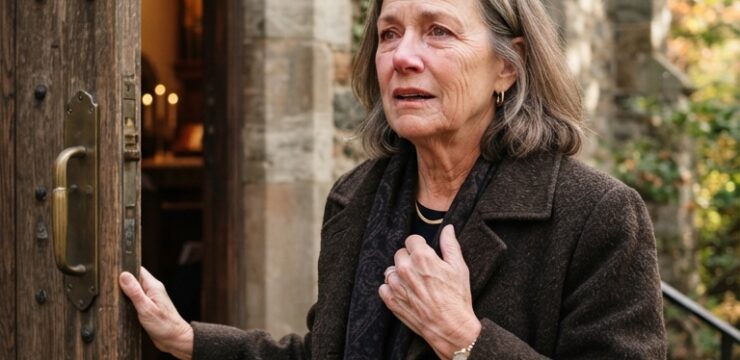
Tears immediately flooded my eyes, spilling over my cheeks as my hands flew to cover my mouth.
Gene never nagged me. He knew I hated feeling like a patient, and he knew I was terribly forgetful when it came to routines. He never once said the word “pills” in twelve years. He never asked, “Did you take your medicine?” He just quietly adjusted his own life. He set the second alarm at 6:15. He walked to the kitchen. He brought me the water, and he stood there—patient, silent, and loving—making absolutely sure I swallowed the tiny pill sitting on my nightstand before he started his day.
When Gene died, the 6:15 alarm stopped. The water stopped. And in my profound grief, I had completely forgotten to open the orange bottle.
I broke down right there in the exam room, sobbing so hard my shoulders shook. Dr. Evans gently handed me a box of tissues, suddenly understanding exactly what had happened without me having to say a single word. Gene had been keeping me alive, quietly and without taking any credit, for over a decade.
ENDING
It has been six months since I lost Gene. My blood pressure is back to normal now. The swelling in my ankles is gone, and the terrible fluttering in my chest has settled into a steady, albeit lonely, rhythm.
I still live in our house. I still drink my coffee looking out at the garden he planted, and I still sleep on his side of the bed. But I made one major change to my daily routine.
I plugged Gene’s old digital clock back into the wall on his nightstand. I turned the alarms back on.
What wakes me now, every single morning at exactly 6:15, is not just a buzzing speaker. It is the overwhelming, beautiful memory of a man who loved me more than words could ever say. It is the realization that on his very last morning on earth, knowing his chest was hurting, knowing something was terribly wrong, Gene still walked to the sink. He still filled that glass. He still brought me my water to make sure I was safe before his own heart gave out.
When that alarm rings now, I sit up. I pour my own glass of water. I take my pill. I do it because he isn’t here to do it for me anymore, and I owe it to him to keep going. I swallow the medicine, I look at his empty pillow, and I whisper a quiet “thank you” into the morning light.