FULL STORY — PART 2
The air inside the house didn’t smell like the familiar scent of instant coffee and old paper that I remembered. Instead, it smelled sharply of rubbing alcohol, fresh printer ink, and fine oil paints. The living room furniture—the sagging floral sofa and the scratched coffee table where Clara used to check my spelling homework—was entirely gone. In its place stood rows of heavy wooden easels, drying racks stacked with vibrant, professional-grade canvases, and neat stacks of art supplies, sketchbooks, and leather-bound financial ledgers.
I stood frozen in the entryway, my medical bag slipping slightly from my shoulder. The house wasn’t the stagnant monument to unfulfilled potential I had cruelly imagined it to be. It was a thriving, professional art studio and restoration workshop, humming with quiet purpose.
Before I could call out Clara’s name, a young woman in her early twenties walked out from the back hallway, wearing an artist’s apron dusted with charcoal and pigment. She stopped dead in her tracks when she saw me standing there, her eyes widening with a mix of surprise and sudden, unmistakable hostility.
“Can I help you?” she asked, her voice cool and guarded.
“I’m… I’m looking for Clara,” I stammered, my heart hammering against my ribs as I looked around the unfamiliar space. “I’m her sister, Maya.”
The young woman’s expression didn’t soften; if anything, it hardened further. She crossed her arms over her apron and let out a dry, humorless laugh. “So you’re Maya. The famous doctor. The one who told Clara she took the easy road and became a nobody.”
The words hit me like a physical blow, stripping away the defensive armor I had worn for three years. “She… she told you about that?”
“She didn’t have to,” the young woman replied, stepping forward. “Clara never said an unkind word about you, ever. Not once. Whenever she talked about you, it was always about how brilliant you were, how hard you studied, and how proud she was that you made it out of this town. But I found her old journals in the attic when I started working here as her apprentice. She wrote down that exact sentence the day you graduated. Do you have any idea what that did to her?”
I felt the room tilt slightly. “Who are you?”
“My name is Chloe,” she said, gesturing to the studio around us. “I was an eighteen-year-old high school dropout with no prospects, no family, and nowhere to go when Clara found me sleeping on a park bench four years ago. She took me in. She didn’t just give me a place to sleep—she taught me how to paint, how to restore antique frames, and how to run a legitimate fine arts business. She used every single dollar she saved from working three jobs when we were kids, plus every penny she earned restoring local historical paintings, to fund this entire studio. Not for herself. For me. And for every other young artist in this county who needed someone to believe in them.”
I couldn’t breathe. The air in the room felt thick and suffocating. “Where is she? I need to see her.”
Chloe stared at me for a long moment, her eyes filled with a quiet, devastating judgment, before she finally spoke the words that shattered my entire universe.
“You’re too late, Dr. Maya. You won’t find her in the studio.”
FULL STORY — PART 3
The silence that followed Chloe’s words was deafening, broken only by the rhythmic ticking of an antique clock on the mantelpiece.
“What do you mean, I’m too late?” I choked out, a cold dread washing over me from head to toe. “Where is she? Is she out running errands?”
Chloe let out a long, heavy sigh, her defensive posture giving way to a profound, sorrowful gravity. She walked over to the wooden table near the window, picked up a heavy manila envelope, and held it out toward me. I didn’t want to take it, but my trembling fingers reached out and accepted it anyway.
“Clara didn’t tell you because she didn’t want to burden your career,” Chloe said quietly, her voice softening with reluctant pity. “Two years ago, after you walked away from her at graduation, she started getting tired. Really tired. She thought it was just exhaustion from working double shifts to get this studio off the ground. But by the time she finally went to the doctor—a real doctor, not unlike the ones you work with—it was stage four pancreatic cancer.”
My knees buckled slightly, and I had to grab the edge of the easel to keep from falling. “Cancer? No… no, that’s impossible. Clara was healthy. She was strong.”
“She fought it for eighteen months,” Chloe continued, her eyes glistening with unshed tears. “She kept painting every single day. She finished her master series of landscape restorations just three weeks ago. And right before she passed away in hospice last month, she left this envelope here with strict instructions. She told me that if you ever came back, if you ever bothered to walk through that front door not as a visitor, but as a sister, I was to give it to you.”
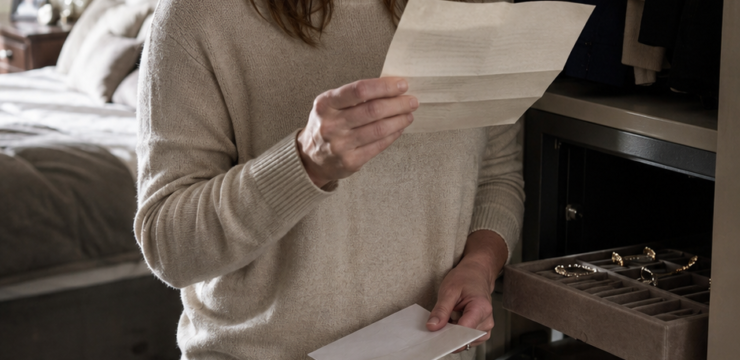
With shaking hands, I opened the manila envelope. Inside was a thick stack of legal documents and a handwritten letter written in Clara’s familiar, elegant cursive. I pulled out the letter first, my vision blurring as hot tears spilled down my cheeks.
*“Dearest Maya,”* it began.
*“If you are reading this, it means you finally came home. Don’t cry for me, little sister. I lived a full, beautiful life, and the greatest joy of my existence was watching you achieve your dream of becoming a doctor. When you called me a nobody on your graduation day, it didn’t break my heart because I believed you—it broke my heart because I realized I had protected you so well from the ugliness of our early life that you never understood what true sacrifice looked like. Taking care of you wasn’t the easy road; it was the only road I ever wanted to walk. I left the deed to this studio and my entire modest estate to you, not because you need the money, but so you will always have a place to remember where your wings came from. I am so damn proud of you, Doctor. Love always, Clara.”*
I dropped the letter, sinking heavily onto a wooden stool as the full, crushing weight of my ungrateful arrogance descended upon me. I had spent three years believing I was superior, basking in the luxury of my titles and degrees, while the woman who had literally traded her life for mine spent her final years building a legacy of grace, kindness, and art for others—all without asking for a single ounce of credit or a single word of thanks.
ENDING
The funeral had already taken place weeks before I arrived, attended by dozens of local artists, young people Clara had mentored, and neighbors whose lives she had quietly touched. I didn’t deserve her forgiveness, and I certainly didn’t deserve the property she had so selflessly deeded to me.
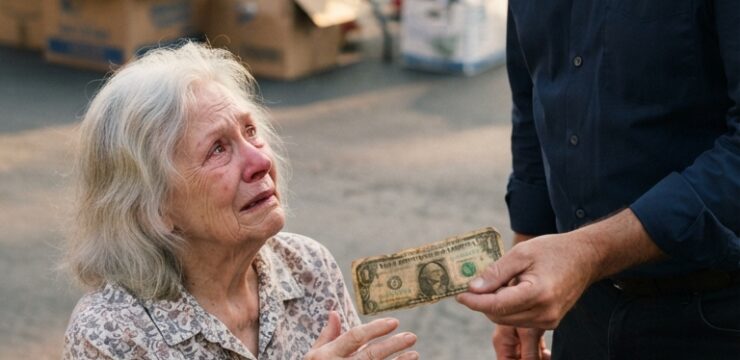
Instead of selling the house or turning it into an investment, I did the only thing that felt right. I legally transferred the deed of the entire estate over to Chloe and the local community arts foundation, ensuring that Clara’s workshop would remain a permanent sanctuary for struggling young creators. I kept only her old sketchbooks, her favorite paintbrushes, and the mason jar filled with faded dollar bills that sat on the mantelpiece—a permanent, humbling reminder of the debt of love I could never repay.
I returned to my hospital practice with my medical degrees and my professional titles intact, but the person who wore them had fundamentally changed. The arrogance that had once blinded me was gone, replaced by a quiet, enduring grief and a profound understanding of what it truly means to love someone without condition. Clara was never a nobody; she was the architect of my entire existence. And though she was gone, every time I put on my white coat, I carried her fierce, unbroken heart with me into every room.