Reads

1,410 Articles

Latest in Reads

READS 13 min

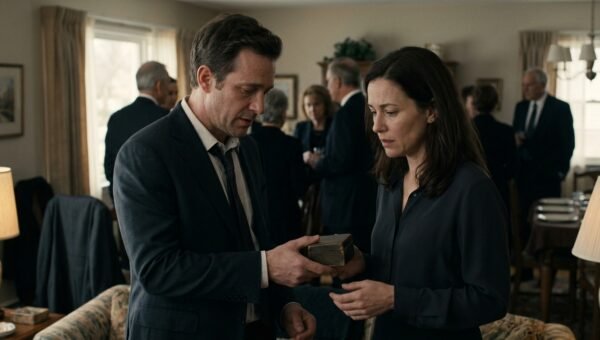
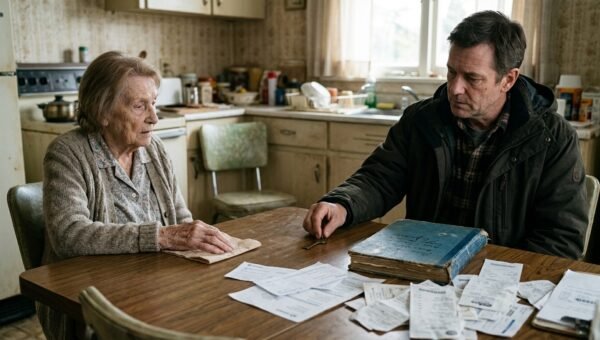
My daughter Amy told me I had cost my granddaughter a nursing scholarship, and she said it in the parking lot of the animal shelter where I’d kept the volunteer logs for eleven years. She had Tessa’s rejection email open on her phone. The committee had questioned the hours on her application, and Amy was sure I’d made the call that started it. “You were the one who kept the records,” she said. “You could have corrected this before it got to them.” I was sixty-six, retired from the high school office, and apparently still the person everyone expected to know where every piece of paper had gone. I also knew Tessa had spent most Saturdays at the shelter since she was fifteen. She cleaned kennels, walked old dogs, and sat with the ones nobody wanted to adopt. I had watched her do it. That was why the rejection hurt. “What hours are they questioning?” I asked. “Two hundred and forty. The hours you signed.” Amy’s voice shook on the last word. “She needs this money. You know she can’t just move away and work her way through nursing school.” The wound between us was older than the application. After Amy’s divorce, I had offered advice when she wanted help and help when she wanted me to stay out of it. She never forgot that. I never forgot the year she stopped bringing Tessa to my house for Sunday dinner. I told her I had not called the scholarship committee. She said she believed me about as much as she believed the rejection email, and drove away before I could answer. The next morning, I pulled the volunteer binders from the shelter’s locked cabinet. Tessa’s hours were there, in my handwriting. Most Saturdays had a start time, an end time, and my initials. But the questioned total came from a new summary sheet, printed three weeks earlier. It said Tessa had worked six full days during a month when she’d been taking her nursing prerequisite classes in another town. I hadn’t made that sheet. Our director, Mel, was on a supply run, so I checked the old paper logs against the computer calendar. The six dates had been entered under Tessa’s name after the fact. Whoever did it had copied my initials from the original pages. I took pictures of both versions and called Amy. She picked up on the third ring. “So you did find something.” “I found a summary that doesn’t match the original logs. I want Tessa here before I say more.” “You’re not going to make her feel like a criminal.” “I’m trying to find out what happened. Those are different things.” There was a long pause. Then Amy said the committee had given Tessa until Friday to respond. If she couldn’t document her hours, she’d lose the scholarship and possibly the place in the nursing program’s fall cohort. I asked Tessa to meet me at the shelter. She came after class, pale with embarrassment, and sat at the metal table in the break room. When I showed her the printed summary, she stared at it without touching it. “I didn’t put those in,” she said. “I did the Saturdays. I never said I did those weekdays.” “Did anyone ask you to sign a total?” “No.” She rubbed the edge of her phone case with her thumb. “Mom said she’d handled the application because I was overwhelmed.” Tessa looked up at me then, afraid I would make her choose between us. I told her I wouldn’t ask her to accuse her mother. I would only give her the original records and let her decide what to send. She took the photos. Before she left, Mel returned and saw us at the table. I showed him the altered summary. He went very still, then told me not to send anything to the scholarship committee until he spoke with Amy. He said the shelter might lose its approved-volunteer status if the committee decided our records couldn’t be trusted. That afternoon, Amy called me from her car. She didn’t deny entering the extra hours. She said she had been trying to keep Tessa from losing a chance she had earned in every way that mattered. The weekday entries, she insisted, were a clerical shortcut based on all the time Tessa had given us over the years. “Hours aren’t a feeling,” I said. “They’re what the application asks for.” Amy cried, then got angry. She said I’d always cared more about rules than family. I told her I loved Tessa enough not to let her begin a nursing career with a lie attached to her name. On Friday morning, Tessa brought the original logs to the scholarship office. I went with her, but waited in the lobby while she met with the reviewer. When the door opened, the reviewer asked whether I had kept any record of who submitted the summary sheet. I had. Mel had emailed me the shelter’s printer history after he checked the office computer. One person had printed it from a staff login, but the file had been created on a different device. The reviewer turned her screen toward me. The document properties showed the account name that had created the disputed hours, and it wasn’t Amy’s.

PART 1 My daughter Amy told me I had cost my granddaughter a nursing scholarship, and she said...