“Pop didn’t leave much, kid. Medical bills ate most of it.”
That was what Uncle Frank told me in the cramped conference room of that Dayton probate lawyer’s office, right after he slid a small, insulting check across the mahogany table and shoved a heavy, battered olive-drab metal box into my arms. Frank always had that way about him, smoothing the lapels of his tailored blazer like he was auditioning for a board meeting he didn’t belong in.
He was the successful one in our family back in Dayton, Ohio, the fellow who always picked up every dinner check at the steakhouse and then made sure everybody at the table remembered it for the next three months. When Grandpa passed away, Frank had volunteered to handle the estate so nobody else had to stress about the paperwork. We were all grateful back then, or at least we thought we were, nodding along while Frank sighed about hospital stays and nursing home fees.
My cousin Tim, Frank’s oldest boy, stood right behind his father in that lawyer’s office, leaning against the wall with his hands in his pockets and a quiet, sneering smirk pulling at the corner of his mouth. Tim looked down at the beat-up footlocker in my hands like I was being handed a bag of garbage from the curb. I took the metal box back to my place in Cincinnati anyway, tossing it onto the floorboards of my apartment closet where it sat collecting dust for six whole months.
It still smelled faintly of Grandpa’s basement, that dry, familiar mix of old cedar, gun oil, and damp concrete that always meant summer visits in Ohio. I didn’t open it because I didn’t want to look at the cheap medals and old uniform patches Grandpa had kept from his time in the Army. It felt too final, too much like admitting he was really gone.
The evening I finally decided to deal with it, the rain was beating a steady, dull rhythm against my Cincinnati window panes. I dragged the footlocker out into the small kitchen and sat down at the laminate table with a flathead screwdriver to pry at the rusted latch. The metal gave way with a sharp snap that made me jump, and the lid groaned open to reveal the exact kind of clutter I had expected. There were wool service caps, a few tarnished brass buttons, and a stack of folded service ribbons tied together with yellowed twine.
I started lifting them out one by one, setting them carefully on the counter, but when my hand brushed the bottom of the interior, something felt wrong. The metal floor of the box sat a good two inches higher than the exterior dimensions suggested.
I didn’t think much of it at first, figuring it was just a reinforced storage shelf built into old military-issue footlockers. But when I wedged the tip of the screwdriver into the seam along the side, the entire floor panel shifted with a dry scrape of hidden wood. I lifted the false aluminum tray out, and my breath caught right in my throat. Tucked beneath it was a heavy manila envelope stuffed with thick paper and a narrow, hardbound ledger wrapped in green oilcloth. The cover was worn soft at the corners, bearing Grandpa’s neat, sharp cursive handwriting penned in black ink that hadn’t faded a bit over the decades.
I didn’t even care about the envelope yet. I just flipped the ledger open to the very last page, letting the pages thumb past years of precise, columns-and-rows accounting, until I reached the final bottom line written in April of the previous year.
Four hundred and eighty-two thousand dollars.
I just sat there at the kitchen table because my brain kind of stopped working for a second. That wasn’t some medical debt tally or a random calculation of old utility bills. That was the running total of liquid assets, Treasury bonds, and personal promissory notes issued directly from Grandpa’s accounts to Francis J. Miller Enterprises, which happened to be Frank’s struggling commercial contracting business. I stared at the number until the ink seemed to blur together, listening to the rain hit the glass outside. Grandpa hadn’t been cleaned out by hospitals at all. He had kept a meticulous, double-entry ledger tracking every single dollar he had loaned Frank over a thirty-year span, complete with dates, check numbers, and the precise bank routing codes where the money had moved from Dayton Savings to Frank’s commercial accounts.
My hands were shaking a little bit as I reached back down into the footlocker and pulled out the thick manila envelope. I broke the brittle tape seal and tipped the contents out across the laminate table. Out slid three original bank passbooks with balances that made my stomach tighten, several yellowed corporate bond certificates bearing Grandpa’s signature, and five separate promissory notes written on heavy legal paper. Every single one of those notes was signed at the bottom in Frank’s own looping, flamboyant handwriting, promising to repay specific sums ranging from twenty thousand to seventy-five thousand dollars, complete with agreed-upon interest rates and repayment schedules. The oldest note dated back to 2012 when Frank was first trying to buy his commercial warehouse out on Route 4. The newest one was signed just eighteen months before Grandpa died.
I didn’t sleep a wink that night. I sat at that kitchen table until the gray Cincinnati dawn started bleeding through the blinds, cross-referencing the ledger entries with the passbook numbers and the signed notes. Grandpa had tracked everything down to the penny, noting every time Frank had come over to the house with a hard-luck story about payroll or equipment failure. Frank hadn’t just borrowed money. He had treated Grandpa’s retirement accounts like an endless, interest-free ATM, and Grandpa, out of some old-school sense of family duty and quiet pride, had kept the books balanced so nobody else ever had to know. Until Frank took over the estate paperwork before anyone else could get their hands on the filing cabinet in the spare bedroom.
By Tuesday morning, I had taken off work and was driving back up Interstate 75 toward Dayton with the manila envelope and the green ledger tucked securely inside my canvas work bag. I didn’t go to Frank’s house. I drove straight downtown to the Montgomery County probate courthouse on North Main Street, walking past the heavy stone pillars and up to the public records counter. The clerk looked at me sideways when I asked to pull the final estate accounting file for George Miller, but within twenty minutes, she slid a thick folder across the counter into my hands. I sat down on one of the hard wooden benches in the hallway and opened Frank’s sworn executor filing.
The contrast was so sharp it made my ears ring. In the official probate inventory filed under Frank’s signature, he had listed total liquid estate assets at precisely eight thousand four hundred and twenty dollars, offset by thirty-one thousand in alleged final medical and funeral expenses. The bank accounts were listed as closed with zero balances. The house had been signed over to Frank’s name under an old survivorship deed that Grandpa had never updated, and the rest of the estate was officially declared negligible. Frank had sworn under penalty of perjury that Pop had died practically indigent, relying on family charity to cover his final months.
I pulled out my phone and dialed the number for a local estate litigation attorney whose office was just three blocks away from the courthouse. His name was Arthur Vance, an older fellow with rumpled gray hair and half-moon spectacles who smelled faintly of pipe tobacco and peppermint. I didn’t tell him everything over the phone, but when I walked into his office twenty minutes later and laid the green ledger and Frank’s signed promissory notes across his blotter, Arthur stopped shuffling his papers very quickly.
“Where did you find this?” Arthur asked, his voice dropping into a low, flat register as he adjusted his glasses and looked down at the exact column where Frank had signed for a fifty-thousand-dollar loan to purchase a fleet of Ford pickup trucks back in 2018.
“In the bottom of an army footlocker Frank gave me for cleaning out Pop’s junk,” I said, leaning back in the leather chair. “He told me medical bills ate everything.”
Arthur didn’t say anything for a long moment, turning the pages of the ledger with a slow, careful finger. “If these promissory notes are valid and un-statuted, and if these bank routing numbers trace to accounts that Frank controlled as power of attorney during the decedent’s final year, then your uncle didn’t just mismanage an estate. He committed deliberate probate fraud, and he owes this entire family a very large sum of money.”
We spent the next two hours mapping out our next move. Arthur wanted to file an emergency petition for an amended inventory and a formal forensic audit of Frank’s business accounts, but I knew my family. If we just dropped a stack of legal motions on Frank through the mail, he would stall, hire high-priced Dayton lawyers, and drag the whole thing out for three years while he liquidated his assets. I wanted it settled the way Grandpa would have wanted it, right out in the open where nobody could hide behind a paralegal.
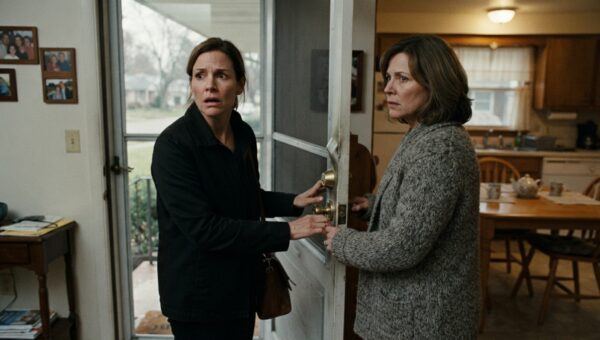
Three days later, I called a family dinner at Pop’s old house on the east side of Dayton under the pretext of gathering to sort through some remaining kitchenware and photo albums. Frank showed up right on time, wearing another sharp blazer and carrying a box of bakery donuts, looking every bit the generous patriarch he loved playing for the clan. Tim came with him, scrolling on his phone as he walked through the screen door, tossing his jacket over the back of the living room sofa like he already owned the place. My aunt Clara and my cousin Sarah were already in the kitchen setting out paper plates and coffee cups, chatting quietly about the weather.
“Well, look who decided to show up from the big city,” Frank boomed, clapping a heavy hand onto my shoulder as I stood by the dining room table. “Getting your apartment cluttered up with that army junk yet, kid?”
“Actually, Uncle Frank, I finally got around to looking through it,” I said, my voice remarkably steady as I reached into my canvas bag and pulled out the green ledger.
Frank froze halfway through setting the box of donuts on the table. His hand hovered over the pink cardboard box for a second before he pulled it back slowly. “What’s that supposed to be?”
“Pop’s bookkeeping,” I said, laying the ledger flat on the polished oak surface right beneath the brass chandelier. Beside it, I slid the five signed promissory notes and a certified copy of the probate inventory Frank had filed with the county. “You told us all that medical bills ate everything. You told us Pop didn’t leave a dime.”
The room went entirely quiet. Aunt Clara stopped unwrapping the plastic silverware in the kitchen, and Tim stepped over from the doorway, his smirk finally sliding off his face as he looked down at the documents spread across the wood.
“What are you playing at?” Frank asked, his voice rising a notch as the color started draining out of his cheeks, leaving him looking blotchy and older than his years. “Your grandfather was losing his mind at the end. He scribbled nonsense in those old notebooks for years. That doesn’t mean anything in a court of law.”
“It’s not nonsense, Frank,” I said, pointing my finger directly at the signature on the 2018 promissory note. “Every loan is dated, every check number matches the bank transfers you pulled out of Pop’s primary account the week after he went into the hospice facility, and the probate court has your sworn signature claiming zero assets existed. That’s not bad bookkeeping. That’s grand larceny and mail fraud.”
Frank reached out a hand like he wanted to grab the papers, but he stopped when he saw Arthur Vance standing just inside the front doorway, holding a manila folder of his own and accompanied by a process server who had followed me up the walk. Frank looked from Arthur to the ledger, then over at his son Tim, whose mouth was slightly open in genuine shock. The big, booming CEO persona completely collapsed right there under the dining room light, his shoulders rounding as he slumped down into one of the high-backed chairs like a man letting go of a heavy weight he’d been carrying too long.
“I was going to pay it back,” Frank whispered, staring down at the polished wood between his hands. “The business took a hit during the supply chain crunch. I just needed some time to square the ledgers before anyone started asking questions.”
“You didn’t need time, Frank. You needed us not to look under the bottom tray,” I said.
The next three weeks were a blur of emergency family meetings, liquidated commercial assets, and amended probate filings that made Frank’s head spin. Under Arthur Vance’s direct supervision, Frank was forced to execute a legally binding restitution agreement, signing over a commercial rental property he owned on the west side to cover the bulk of the $482,000 balance, while liquidating his personal savings to make sure Aunt Clara and every other rightful heir received their proper share of Grandpa’s estate. The family dynamic shifted overnight. Frank stopped coming to Sunday dinners, and Tim stopped looking down his nose at anybody who didn’t drive a new truck.
Now, back in my Cincinnati apartment, the heavy olive-drab footlocker sits right on my workbench in the corner of the room. The old wool uniforms have been smoothed out and folded properly, and Grandpa’s service medals rest right on top of the closed, pristine ledger. It isn’t a burden of hidden betrayal anymore, and it doesn’t feel like junk either. It is just a quiet, solid memorial to a man who saw everything coming long before the rest of us even knew we were being fooled, keeping his own counsel right down to the very last page.