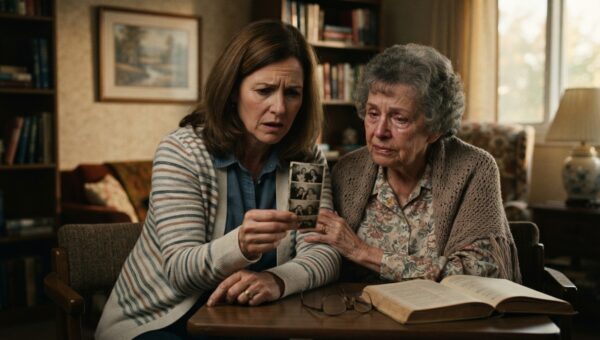
The smell of liniment and stale toast always stayed in the hallway of that old house, no matter how many windows I opened to let the Maine breeze clear the air. For six years, my world was measured out in the heavy rhythm of lifting Mama out of bed at 6:00 in the morning, spooning broth when her hands shook too badly to hold a ceramic bowl, and listening to the gravel crunch under tires whenever Galen or Marcus decided to make a rare appearance.
They would walk in wearing clean denim, stay just long enough to drink a cup of coffee while complaining about the price of diesel, and then drive back to their own lives with clean fingernails. I never asked for a medal. I just figured that is what you do when your name is on the family register and the blood runs thin between siblings who grew up watching the same rain hit the north pasture.
The lawyer’s office in town smelled of floor wax and old paper, a cold kind of clean that did not suit the weight of what was coming. The ceiling tiles had little yellow water stains near the corner, and the stapler on the walnut desk was one of those heavy black ones from the nineteen-seventies. Galen sat back in his chair with his ankles crossed, wearing a fleece vest that looked like he bought it yesterday just to impress the probate clerk.
Marcus stayed near the window, his thumbs hooked in his belt loops, looking at his watch every forty seconds like he had a load of gravel waiting at the quarry. Mr. Vance adjusted his half-moon glasses and read the clauses of the will in a dry, flat voice that treated thirty years of homestead labor like a line item on an invoice. The eighty acres and the main house went to Galen and Marcus, split right down the middle with the operating accounts. Then came the personal effects clause. Galen got the John Deere riding mower. Marcus got the shop tools. And I got Mama’s old oak butter churn that sat on the back porch gathering dust.
Galen let out that loud, braying laugh of his that always made my teeth ache. He leaned over and gave my shoulder a heavy, condescending pat while Mr. Vance gathered his papers into a neat stack.
Don’t spend it all in one place, sis, he said, loud enough for the receptionist to hear out in the hall. Marcus gave a dry snort and reached for his truck keys before the lawyer even finished packing his leather briefcase. They had the whole afternoon mapped out, probably driving straight over to the farmhouse to measure for new sheds and talk about which blocks of timber they were going to clear-cut first. I sat there with my hands folded in my lap, feeling the chill of the vinyl chair through my cardigan, not saying a word because the lump in my throat felt too hard to swallow.
The drive back out to the farm was quiet, the kind of quiet where you can hear every rattle in the dashboard of a twelve-year-old pickup truck. The engine ticked as I pulled off the gravel and parked by the pump house, looking at the faded green paint on the siding that I had scraped and primed myself back in August when Mama could still sit on the porch swing and watch me work.
The butter churn was sitting in the truck bed, wrapped in an old horse blanket so it would not bounce against the tailgate. It was heavy, made of thick white oak with rusted iron hoops that had pitted years ago before I was even born. Galen had tried to tell me to leave it behind for the yard sale, but something stubborn made me hoist it into the back anyway. I didn’t care about the market value of old kitchen junk. I cared about the mornings I watched Mama churn cream on the back steps while the wood stove hummed inside.
The kitchen was empty and smelled of nothing at all, which felt worse than the liniment. I set the churn down on the braided rug near the wood box and went to the sink to wash my hands with yellow soap that left my skin feeling tight. The sun was dropping low behind the ridge, casting long shadows across the floorboards that I had scrubbed with lye water every single Sunday night after the supper dishes were put away. My shoulders ached down to the bone from the weeks of estate paperwork and lawyers and the endless phone calls where my brothers argued over who was going to take the chest freezer. I didn’t want their pity, and I sure as hell didn’t want their secondhand generosity, but looking at that heavy wooden tub sitting by the stove made me feel like the last stray dog left behind after the farm was sold off.
I decided to give the churn a proper scrubbing before putting it out in the shed where the field mice wouldn’t chew the staves. I filled a galvanized bucket with warm water and grabbed a stiff-bristled brush from under the sink. The oak was dry, thirsty for linseed oil, and the metal hoops were cold to the touch. I reached inside to scrub the bottom where old salt crust had settled into the grain over the decades, and that was when my fingers caught on the edge of the wooden dasher. It didn’t lift straight out the way it should have. The handle had swollen in the damp cellar years ago, or maybe it had settled into the dry groove just right, but when I pulled up on the center shaft, the whole internal assembly wobbled sideways with a dull wooden click.
I stopped breathing for a second, the scrub brush dripping soapy water onto my boot. I tapped the side of the tub with the heel of my palm, and instead of the hollow thud of empty staves, I heard a flat, dense resistance from underneath. There was a false bottom built into the base, fitted so tight and sanded so smooth that you could stare right at it for fifty years and never guess the wood was double-layered. I grabbed an old butter knife from the drawer, the blade worn thin and silver at the tip from decades of scraping toast, and slid it into the hairline crack along the interior wall. The wood groaned under the pressure, resisting like an old door that hadn’t been opened since the Eisenhower administration, until the hidden panel popped loose with a sharp, dry snap that echoed off the beadboard walls.
Inside the dark cavity beneath the false floor, something bulky was wrapped in layers of brown butcher paper tied with heavy cotton twine. My hands were shaking so hard I dropped the butter knife back onto the rug, the metal clattering against the braided wool like a gunshot. I reached in with both hands, my fingers brushing against something thick and rectangular, and pulled the bundle out into the fading kitchen light. The smell hit me first, sharp and metallic and distinct, completely different from the dust and old lard of the churn. It was the smell of fresh currency bands from the county bank down on Front Street.
I sat down hard on the wooden kitchen chair, my knees suddenly refusing to hold my weight, and began unwrapping the twine with clumsy, trembling fingers. Layer by layer, the brown paper fell away to reveal a thick stack of hundred-dollar bills banded in paper wrappers from the First National Bank, each bundle fat and heavy enough to make my palms sweat. Beneath the money lay a folded legal document with a red ribbon tied through the top corner and a heavy gold notary seal that caught the lamplight. On top of the deed rested a small piece of lined tablet paper covered in Mama’s familiar, spidery handwriting, each letter leaning hard to the left the way she always wrote when her arthritis was acting up during the first heavy frost of winter.
The first line of that letter read plain and clear in the quiet room, and the words hit me with the force of a physical blow. For the one who actually showed up, it began. The land they’re fighting over was already signed away six years ago on the day you moved your bed into the small back room. Galen and Marcus think a will written in a lawyer’s carpeted office is the final word on what I built with these two hands, but a piece of paper signed under duress when I was too weak to sit up straight doesn’t undo thirty years of sweat. I left them the bank accounts they always suspected were there so they’d pack up their trucks and leave you in peace with the homestead. If you’re reading this, you’re looking at the true deed to the home place, unencumbered and registered down at the courthouse three days after your father passed. Don’t let them tell you different.
The kitchen clock on the wall gave its usual metallic tick, the sound louder now than it had ever been before. I read the letter three times, my eyes stinging with tears that didn’t feel like grief, but rather like the sudden, searing heat of a fire catching after hours of smoking in a damp hearth. Mama had known. While Galen and Marcus were out buying new pickups with the proceeds from the south forty timber sale, Mama had sat at the kitchen table with old Mr. Vance’s cousin, the retired notary from over in Eddington, and quietly secured the legal ground beneath my feet. She had watched them treat her declining years like an administrative inconvenience, and she had built her own quiet justice into the very grain of an old oak churn she knew they would despise as worthless junk.
The next morning, the sun came up pale and cold over the ridge, turning the frosted grass the color of tin. I didn’t wait for Galen to call or for Marcus to drop by with their clipboard and their blueprints for the new machine shed. I put the folded deed and Mama’s letter inside a heavy manila envelope, tucked it under my arm, and drove straight down to the county registry office before the morning delivery trucks even cleared the square. The clerk at the counter, a woman named Brenda who had gone to school with my older cousin, took the document without blinking an eye, slid it through the heavy iron press, and stamped the back page with the violet seal of the county recorder. It was already there in the ledger, she told me, her voice dropping to a low, conspiratorial murmur as she looked up over her glasses. Your mother filed the master copy back in the fall of eighteen. This copy here just confirms the release upon her passing. The boys don’t have a legal leg to stand on, honey.
By noon, the sound of a diesel engine rumbling up the gravel drive told me my brothers had arrived to start taking inventory of the house. I was sitting on the wooden front porch with a mug of chicory coffee when Galen’s Ford pulled up near the pump house, kicking up dry leaves and dust. Galen hopped out of the cab first, slamming the door with a loud thud, while Marcus unlatched the tailgate of his flatbed to get the loading ramps down. They walked toward the porch like men who owned the sky, their boots crunching on the gravel with a heavy, certain cadence that had terrorized every hired hand we ever had on the place. Galen had a clipboard in his hand and a yellow pencil tucked behind his ear, looking every bit the landowner inspecting his new holdings before the tenants moved in.
You still here, sis? Galen called out, flashing that wide, easy grin that always preceded some demand for free labor. We brought the trailer for the bedroom suite and those old dressers in the back hall. You might as well get your things packed up by tonight because the surveyor is coming out on Thursday to mark the new fence line by the creek.
I didn’t stand up right away. I took a slow sip of the chicory coffee, letting the bitter taste settle on my tongue, and watched them stop dead at the foot of the porch steps. Marcus dropped the loading ramp with a loud clatter that made the stray barn cat jump off the porch railing and streak toward the hayloft. Galen stopped smiling, his eyes narrowing as he took in the manila envelope resting on my knee and the heavy oak butter churn sitting upright and secure right beside my left boot.
What’s that on your face? Galen asked, his voice losing its breezy edge and hardening into something suspicious. What are you sitting there grinning about?
I set the coffee mug down on the weathered floorboards, the ceramic making a sharp knock against the pine. I slid the county-stamped deed out of the envelope and let it rest on my knee, the violet seal catching the midday sun. You boys might want to hold off on calling the surveyor, I said, my voice sounding steadier and clearer than it had in six years of whispering through hospital corridors and quiet kitchens. The land stays right here. And according to the county recorder as of nine o’clock this morning, the eighty acres, the house, and everything inside these fences belongs to the person whose name was actually on the corrective deed before Mama passed.
Galen took two heavy steps up the porch stairs, his face flushing a dull, angry red that crept up past the collar of his fleece vest. That’s a damn lie, he snapped, reaching out to snatch the paper from my lap. Dad’s will was read in Vance’s office, and it split this farm right down the middle between me and Marcus. You got your churn. That was the deal.
Marcus was right behind him now, his boots heavy on the wood, his chest puffed out like an old tomturkey ready to fight for a fence line. You can’t pull some stunt like this after probate is already open, he yelled, his voice cracking slightly at the top. We’ve already talked to the implement dealer about trading in the old tractor against our share. That land is ours by right of blood and law.
I didn’t raise my voice. I didn’t need to. I reached down and picked up Mama’s shaky handwritten letter from the floorboards, holding it out toward Galen so he could see the familiar slant of the ink that he hadn’t bothered to look at for six solid years. You had your chance at the blood, Galen, I said quietly, looking straight into eyes that suddenly looked smaller and older than they had a minute ago. You had six years to check on her pulse, six years to carry her to the porch when the spring air was too sweet to miss, six years to find out what was hidden under a wooden floor you were too arrogant to ever inspect. You took the cards you mailed for the real work, and Mama took the rest.
Galen stood there on the top step, his hand frozen halfway out toward the paper, his mouth opening and closing once or twice like a fish pulled up onto the dock. He looked from my face down to the violet county seal, then over at Marcus who was staring with a pale, vacant look at the front tires of his own truck as if the ground were about to give way beneath him. The silence that settled over the yard then wasn’t the heavy, suffocating quiet of a funeral or a lawyer’s office; it was the sharp, clean stillness of a door locking from the inside with the key finally turned all the way home.
They didn’t stay for supper. They didn’t even stay to load the dresser they had argued over for three days at the kitchen table. By one o’clock, the dust from their truck tires had settled back down onto the gravel drive, leaving the afternoon entirely empty and impossibly wide open. I stood up from the porch chair, my boots making a firm sound against the pine boards, and walked over to where the heavy oak butter churn sat upright and steady beside the railing. The cedar false floor inside was empty now, clean and smelling faintly of aged wood and old iron, ready to hold whatever simple things I needed to keep safe. I didn’t look back down the lane as the truck disappeared over the rise toward the highway, and for the first time in six years, the quiet didn’t feel like an ending at all.