The notification light on my laptop didn’t flash or blink. It just sat there glowing a steady, irritating blue against the dark glass while I stared at the screen.
Back when I was eighteen, the world smelled like cheap coffee and library dust and the sudden, heavy silence of a house where my grandmother’s oxygen tank had finally stopped hissing.
Nana had left me her small brick house on Maple Street. Clear and unencumbered. That was the phrase the probate lawyer used, though at eighteen, I didn’t fully grasp what it meant. I just knew the place had yellow kitchen tiles, a creaky back screen door, and three maples in the yard that dropped helicopter seeds every autumn.
My parents had volunteered to sit with the attorney. “You focus on your freshman finals,” my dad had told me, clapping a heavy hand on my shoulder in the office corridor. “We’ll handle the county filings and the probate fees. That’s what family is for.”
I had signed wherever they pointed. I trusted them the way you trust gravity. I figured they were just taking care of the boring adult stuff while I figured out how to write a ten-page paper on macroeconomic theory.
Four years slipped past in a blur of lecture halls, diner shifts, and sublet apartments with flickering fluorescent bulbs.
I was twenty-two now, two weeks away from crossing the stage in a black polyester gown with my diploma rolled inside a cardboard tube. I had landed an entry-level analyst job right here in town, meaning I wouldn’t have to pack my life into a U-Haul and drive five hundred miles away. I could finally move into Nana’s house. I could paint those yellow tiles, hang my thrift-store art, and sleep in a bedroom that didn’t smell like five previous college tenants.
That evening, I was sitting on my sagging futon, building a digital inspiration board on my laptop for the living room layout. Sage green walls, a secondhand brown leather sofa, a tall fiddle-leaf fig by the front window. I even added a small pin for a bookshelf I wanted to build from reclaimed cedar. It was harmless stuff, just a kid daydreaming about the first real anchor of her adult life.
My phone buzzed on the cushions beside my knee. It was a notification that my mother had started following the board.
Five minutes later, my phone rang. Her voice was too high, too bright around the edges. “Hey sweetie. I saw that little decorating board you put up. What’s that about?”
“Just getting ready for graduation,” I said, leaning back against the wall. “Planning out the furniture for Maple Street.”
There was a long pause on the line. Not a normal pause, but the heavy, dead kind of quiet where you can hear someone swallowing hard over a bad connection. “Oh,” she said, her voice dropping an octave. “Well. We should probably talk about that tonight. Your father is coming over.”
“Talk about what? It’s my house.”
“Just be ready when he gets there,” she said, and the line went dead.
My father arrived at 7:15. He didn’t take off his jacket. He walked straight into my tiny kitchen, sat down at the wobbly card table, and crossed his arms over his chest.
His jaw was set in that hard, stubborn way I knew from every childhood lecture about budget cuts and ruined plans.
“Your mother tells me you’re planning to move into the Maple Street property,” he said. It wasn’t a question.
“I am,” I said, staying on my feet. “I graduate in fourteen days. My office is ten minutes from there. It makes sense.”
“It doesn’t make sense at all,” he said, shaking his head. “We rented it out. There’s a family living there now.”
The kitchen seemed to tilt slightly, the hum of the refrigerator suddenly sounding too loud in my ears. “You what?”
“We rented it out,” he repeated, louder this time, as if repetition would make the words legal. “They signed a three-year lease six months ago. You legally can’t evict them until it runs out.”
I stared at him, my brain refusing to stitch the pieces together. “You rented my house? Without telling me? How is there a three-year lease on a property that belongs to me?”
“We manage the estate affairs,” he snapped, his face flushing a dull red. “You were a kid when your grandmother passed. You didn’t know the first thing about property taxes or maintenance upkeep. We’ve been keeping the roof from leaking and the taxes paid.”
“Where is the rent money, then?” I asked, my voice dropping into a flat, dangerous register. “If the house has been rented for four years, where has that money been going?”
Both my parents were offended and told me they had earned every penny for their trouble.
My dad stood up, leaning his palms flat on the wobbly laminate table. “We spent years bailing you out of semester fees and textbook costs. That money went right back into supporting your education.”
“My education was covered by my scholarships and my campus job,” I said, my voice shaking with a cold fury I hadn’t felt before. “Show me the lease. Show me the bank statements.”
“You’ll get nothing of the sort with that tone,” he said, turning toward the door. “Grow up.”
He walked out, letting the screen door slam hard enough to rattle the cheap window frames.
I didn’t sleep that night. I sat at my laptop until the streetlights flickered off and the sky turned a bruised, pale gray. I didn’t cry. Anger is a cleaner, sharper fuel than grief, and it kept my hands steady.
By 8:00 the next morning, I was parked outside the county courthouse downtown. The linoleum floors were scuffed by decades of boots, and the air smelled like old paper and floor wax. I went straight to the recorder of deeds office and paid twelve dollars to pull the historical card on Nana’s property.
The paperwork didn’t lie. My name was right there at the top as the sole grantee, signed and sealed the week after the funeral four years ago. But stapled to the back was something else. A property management agreement granting full leasing rights, signed not by me, but by my father, using a durable power of attorney form that had expired the day I turned eighteen.
I took a picture of every page with my phone, the camera shutter clicking softly in the quiet room.
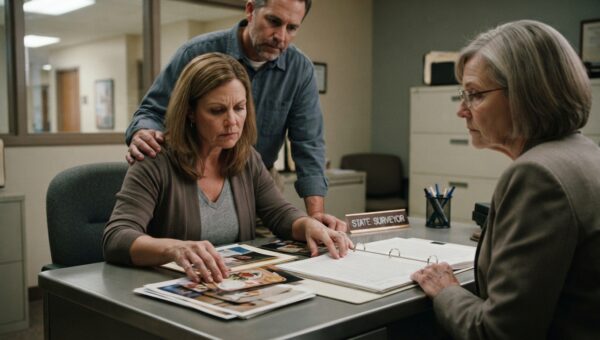
That afternoon, between my economic theory seminar and my shift at the campus bookstore, I walked three blocks down to a small, cluttered law office with a faded gold-leaf sign on the glass door. Marcus Vance was an older real estate attorney with silver hair and glasses perched crookedly on the bridge of his nose. He listened to my story without interrupting, occasionally tapping a yellow legal pad with a wooden pencil.
When I finished laying out the timeline and sliding my phone across his desk to show the courthouse photos, he let out a long, slow breath.
“Well,” Marcus said, adjusting his glasses. “Your father committed fraud. You were the legal adult owner at eighteen. He had no standing to sign a management agreement or bind your property to a lease without your explicit, witnessed consent.”
“Can I kick the tenants out?” I asked.
“Not immediately,” he said, shaking his head. “We have to handle this cleanly so you don’t inherit a civil suit from the occupants. But the lease your father drafted is legally worthless against you. More importantly, we can subpoena four years of bank records to find out exactly where every rent check went.”
He handed me a business card with thick, heavy cardstock. “Let me send a formal demand letter to your parents’ address by tomorrow morning. See how fast their story changes when they realize this isn’t a family dinner argument anymore.”
Two days later, my mother called three times in a row while I was in class. I let it go to voicemail.
The message she left was frantic, her voice breaking around the edges. “Please call us back. Your father is talking to a lawyer of his own, but this is insane. We just wanted to secure your future. You’re tearing this family apart over some tenants who have two kids in the local school district.”
I listened to it once while sitting in my parked car, then deleted it.
The final confrontation happened on a Sunday afternoon at my parents’ house. I didn’t call ahead. I just drove up their gravel driveway, stepped out of my sedan, and walked straight through the front door using the spare key they had given me years ago. They were sitting at the kitchen island, sharing a pot of coffee and looking over a stack of printed emails.
My father looked up, his expression hardening instantly. “You have a lot of nerve showing up here after sicking a lawyer on us.”
I dropped Marcus Vance’s formal demand packet right on top of their coffee mugs. The pages slid across the granite counter, scattering sugar packets.
“You took four years of rent from Nana’s house,” I said, my voice level and quiet. “Marcus pulled the tenant ledger from the local property management firm you used as a front. You’ve pocketed nearly seventy thousand dollars.”
My mother’s face went tight and blotchy. “We raised you. We fed you.”
“You stole from me,” I said, looking straight into my father’s eyes. “And you lied about a three-year lease to keep me out of my own home because you were using my asset to pay off your second mortgage.”
“We’re your parents!” my father shouted, slamming his fist down on the counter. “We made you who you are!”
“No,” I said, turning toward the hallway. “You made me realize I can’t trust a single word either of you says.”
“If you push this, you won’t have a family left,” my mother whispered, tears finally spilling over her eyelids.
“You decided what this family was worth four years ago when you forged my signature on a management form,” I said. “The tenants have thirty days notice through my lawyer’s office to either sign a direct lease with me at market rate, with all past rent redirected into an escrow account, or vacate. And as for you two, if I see either of you near Maple Street again, I’m pressing criminal charges.”
I didn’t wait for them to answer. I turned around, walked out the front door, and pulled the heavy wood shut behind me.
Two weeks later, the graduation ceremony came and went in a blur of folding chairs and camera flashes. I didn’t invite my parents. I sat with two friends from my major, eating lukewarm pizza afterward and laughing until my ribs ached.
The next morning, I drove straight to Maple Street. The lawn needed mowing, and the front porch boards were crying out for a fresh coat of white paint.
I walked up the concrete steps, pulled a heavy brass key from my pocket, and slid it into the front door lock. It turned with a smooth, heavy click that echoed off the empty walls inside.
I pushed the door open, stepping alone into the sunlit hallway where my boxes were already stacked by the front window, finally ready to build my own life on my own terms.