PART 1
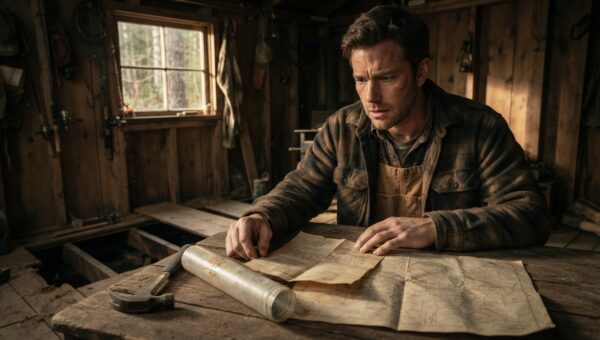
The smell of salt water and old heart pine always brings me right back to my grandfather’s workbench. Grandpa Arthur built that timber workshop with his own hands back in nineteen fifty four, right on the edge of the cove in our mid-sized Maine coastal town. After he passed away, the building sat heavy and quiet for years, catching sea mist through the warped cedar shingles and leaning just slightly toward the water.
My older brother Daniel and I inherited the deed in an equal split, or so I always believed. Daniel went off to Portland to chase commercial real estate millions while I stayed right here, working as an architectural draftsman and raising my daughter Maya alone after her mother left.
Three years ago, Daniel called me into his shiny new developer office with a proposal that sounded like a gift from above. He told me the historical workshop was too precious to sell off to outsiders, but neither of us had the liquid cash to hire a full crew to shore up the rotting timber foundations. He offered a deal. If I put in my evenings and weekends doing the heavy structural labor, sourcing reclaimed beams, and rebuilding the mortise and joinery by hand, he would handle the municipal zoning compliance and keep the property safe in the family trust as a shared heritage asset for Maya and his kids.
I trusted him completely. He was my older brother, and blood meant something in a town where everybody knew your grandfather.
I spent the next thirty six months breaking my back inside that freezing, damp shell of a building. I traded my weekends for rusted iron bolts, heavy oak timbers, and endless hours of scraping away black mold and salt rot. Whenever my lower back screamed at me after a twelve hour day of lifting carriage beams, I reminded myself that I was building a secure future for Maya. When my savings account started looking thin, I didn’t hesitate. I dipped into my personal reserves to buy specialized marine grade fasteners and heavy insulation panels, sinking exactly thirty six thousand nine hundred dollars of my own hard-earned drafting money straight into those walls. Daniel stopped by twice a month, holding a takeout coffee cup, nodding at my progress, and telling me I was a true artist.
Every time I asked about signing the updated trust registry paperwork, he smiled, patted my shoulder, and told me not to waste our money on lawyer fees yet. He said he would bundle the paperwork once the structural inspections cleared the town board.
The warning sign arrived on a rainy Tuesday morning in late October. I was sitting at my drafting desk at home when a routine town registry bulletin dropped into my mailbox. It was a public notice regarding a zoning variance application for the old waterfront parcel, listing a hearing date that had somehow already passed by nearly two weeks. My stomach dropped into my shoes. According to the printed notice, the application had been submitted and fast-tracked under an expedited commercial conversion classification, shifting the historic timber workshop from light preservation status into high-density luxury vacation rental zoning. The date on the municipal filing receipt listed an initial submission back in April, right in the middle of the winter when Daniel and I had shared beers on the porch and toasted to our family restoration project.
I picked up my phone and dialed Daniel immediately. It went straight to his voicemail, his professional corporate greeting slick and steady. I didn’t leave a message. Instead, I pulled on my worn canvas jacket, grabbed my truck keys, and drove straight down to the municipal building to pull the physical registry files myself.
PART 2
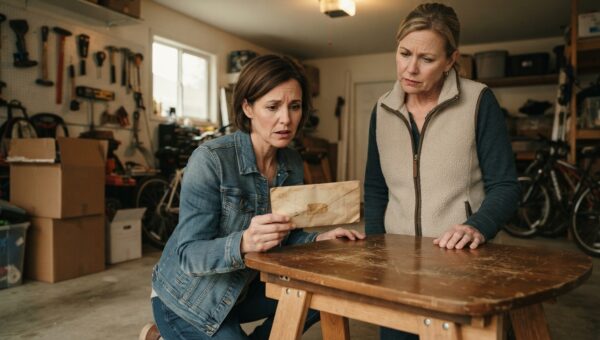
The town hall basement smelled of damp paper and floor wax. Mrs. Gable, the clerk who had known our family since we wore corduroy overalls to elementary school, looked at me with an expression that was half pity and half embarrassment. She slid a thick manila folder across the worn oak counter. When I opened it, the betrayal hit me not as a shock, but as a cold, heavy weight settling onto my chest. There were the permit applications, the architectural layouts for three luxury rental units, and the projected rental income sheets showing six figures a year in tourist revenue. But worse than the commercial plans was the legal instrument attached to the bottom of the stack. It was a quitclaim waiver dated eighteen months prior, bearing what looked like my signature, transferring my fifty percent equitable interest in the workshop trust directly over to Daniel’s development LLC for the sum of ten dollars.
My hand shook as I traced the signature line. It was a clever forgery, traced or copied from an old tax document I had signed years ago when we first settled Grandpa Arthur’s estate. More glaringly, the notarization seal stamped at the bottom belonged to a local notary whose license had expired back in two thousand and twelve, using an old metal embosser that had supposedly been retired a decade ago. Daniel had bypassed my consent entirely while I was knee-deep in mud underneath the workshop floorboards, replacing rotting sills and securing the historic framing so his future rental units would pass structural code. He had used my own sweat and my own thirty six thousand nine hundred dollars of savings to increase the property valuation past six hundred and ten thousand dollars, setting himself up for a lucrative commercial exit while I remained legally erased from the deed.
I didn’t yell at Mrs. Gable. I thanked her quietly, slid the copies into my canvas satchel, and walked out into the sharp Maine wind. I could have driven straight to Daniel’s office and smashed his glass door, or cornered him at our cousin’s weekend dinner, but the raw fury inside me had turned into something much colder and sharper. I drove straight across town to the office of Sarah Lin, a land use and property litigation attorney known for dismantling bad-faith developer filings. She didn’t offer me false sympathy or cinematic promises. She simply laid her yellow legal pad on the desk, listened to my account, looked over the forged quitclaim and my bank receipts for the thirty six thousand nine hundred dollars of materials, and told me exactly what we needed to do. We weren’t going to get into a shouting match in a parking lot. We were going to freeze the permits at the foundation level using historical preservation covenants and municipal forgery statutes.
PART 3
Two weeks later, the town zoning board held an emergency review session in the second-floor chamber. Daniel walked in wearing his sharp charcoal business suit, looking confident and relaxed until he spotted me sitting in the front row beside Sarah. He stopped dead in his tracks, his eyes narrowing as he took in the thick file folder resting on my lap. He tried to corner me in the hallway before the session started, his voice dropping into that familiar, wheedling fraternal register he had used since we were kids. He told me I was being dramatic, that the luxury conversion was the only way to monetize the asset, and that he would cut me a small cash bonus out of the first quarter rentals once the dust settled. I didn’t raise my voice. I just looked at him and told him the historical preservation officer had already cataloged the original nineteen ninety four hand-drafted deed stipulation tucked behind the floor joists, and that the state title investigators were currently reviewing the notary stamp on his quitclaim waiver.
The color drained entirely from Daniel’s face. He realized in that instant that this was no longer a family disagreement he could smooth over with a beer and a promise. The zoning board chair called the meeting to order, and Sarah stood up to present our formal petition. She didn’t need to shout. She placed the certified copies of the forged quitclaim side by side with the expired notary seal registry, followed by my itemized receipts totaling thirty six thousand nine hundred dollars in structural materials and my sworn affidavits detailing three years of continuous physical labor. The municipal board members, many of whom had known Grandpa Arthur and respected his hand-carved timber work, looked at Daniel with open disgust. The emergency injunction was granted within twenty minutes, suspending all commercial development permits pending a full criminal title investigation and state audit into fraudulent conveyance.
Daniel tried to stall, calling our relatives and claiming I was trying to ruin the family name over a simple administrative misunderstanding, but the evidence was too clean and the paper trail was too deep. His Portland investors, spooked by the prospect of a municipal fraud investigation and frozen property titles, pulled out of the luxury rental deal within forty eight hours. Left facing mounting commercial debt from his failing Portland projects and a potential felony inquiry regarding the forged notary seal, Daniel’s swagger evaporated. His attorney reached out to Sarah by the end of the month with a settlement offer that wasn’t a negotiation, but a total capitulation.
ENDING
Three months after the injunction, the deed was legally restored to its proper fifty-fifty trust status, and Daniel was forced to execute a buyout agreement that transferred his remaining equity to me at full independent market valuation, while fully reimbursing every single penny of my thirty six thousand nine hundred dollar material investment. I didn’t take the payout and run. Instead, I used a portion of the funds to formally register the workshop under the Arthur Vance Historical Trust, ensuring that no developer could ever pave over our grandfather’s legacy for quick tourist cash.
Today, my drafting table sits right by the wide front window of the timber workshop where the sea light pours in every morning. Maya has a small wooden desk right beside mine where she colors while I work on local restoration blueprints. The floorboards under our feet are solid and true, built to last another fifty years, and the only paperwork on my desk is signed in my own hand.