PART 1
The wood of the front door was rough against my shoulder when my dad shoved me out. It was a Tuesday evening in November, just a week after my sixteenth birthday. My dad had crumpled my state art school acceptance brochure in his fist, dropped the torn glossy paper into the kitchen trash can, and pointed his thumb at the porch.
Get out, he had said, his voice flat and hard like cold iron. And don’t come crawling back when you fail.
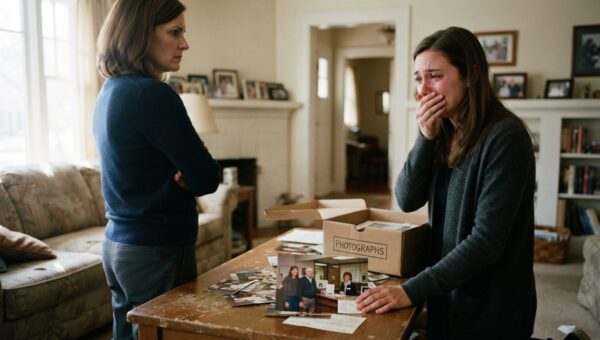
My mom sat at the kitchen table with her hands folded flat over her place mat. She didn’t look up when the deadbolt clicked behind me. She didn’t say goodbye, and she didn’t offer me a coat even though the wind was spitting sleet. I stood on the porch with my two canvas sketchbooks tucked under my jacket and exactly one thousand one hundred and eighty-six dollars in cash inside my jeans pocket, money I had saved up from working weekend shifts at the hardware store.
I never asked them for another dollar.
Twelve years passed faster than people think when you are sleeping on a friend’s lumpy pull-out couch and working fifty hours a week while finishing high school at night. By my mid-twenties, I had stopped waiting for an apology that was never going to come.
I poured every spare cent and every drop of energy I had into the one thing my father had tried to throw away: my eye for design and my stubborn refusal to stay down.
What my parents never knew was that the art they thought was a useless hobby turned into a commercial design firm, which turned into high-end commercial property development, which eventually grew into a chain of antique galleries and real estate holdings across three states. By thirty-eight, I didn’t just own a few downtown buildings. I owned the commercial holding company that controlled the mortgage on the very subdivision where my parents still lived.
It was a rainy Thursday morning when my executive assistant, Marcus, buzzed me on the intercom to run through the morning schedule.
Your eleven o’clock appointment is here early, Marcus said. A couple from out of town. They asked for the managing director directly.
They didn’t have an appointment on the official calendar, but they said it was an emergency regarding their residential refinancing.
I looked down at the mahogany desk in my top-floor office, the one with the sweeping view of the city skyline, and felt a strange, cold pull in my chest.
Send them up, Marcus, I said.
PART 2
The heavy oak door of my office swung open three minutes later.
My father walked in first, wearing his good tweed jacket that had a grease spot on the lapel from his garage work, though he looked older now, his hair completely white and his shoulders rounded under the weight of something heavy. My mother followed right behind him, clutching her faux-leather handbag against her stomach with both hands like she was guarding something fragile.
They didn’t look at the floor-to-ceiling windows or the custom leather armchairs. They looked small against the size of the room, exactly the way I remembered them from the kitchen twelve years ago when they watched me pack my life into two trash bags.
Sit down, I said without looking up from the architectural drawings spread across my desk.
We are here to see the director, my father said, his voice raspy and defensive. He pulled a folded paper from his breast pocket, his fingers shaking slightly against the creases. We received notice from the bank holding our mortgage. They sold the portfolio to this firm. We have lived in that house for thirty years. We aren’t trying to cause trouble, but the new terms are impossible. We need an extension.
I let the silence sit in the room for a long, heavy beat. The only sound was the low hum of the air conditioner and the steady patter of rain against the glass.
Slowly, I reached out, picked up a heavy silver pen, and set it down. Then I leaned back in my leather chair, rested my hands on the armrests, and looked straight across the desk at them.
My father stopped mid-sentence. His eyes drifted up from the papers in his hand to my face, scanning my jaw, my eyes, the small scar over my left eyebrow from an old bike wreck they barely remembered.
Every bit of color drained out of my father’s face. He blinked once, hard, as if trying to wipe away a trick of the light.
Leo? my mother whispered. Her purse slipped an inch down her wrist.
It’s good to see you, Dad, I said quietly. You look older.
PART 3
The silence in the office became absolute.
My father gripped the back of the visitor’s chair so tightly his knuckles turned yellowish-white. He opened his mouth to speak, but no sound came out. The man who had once stood on a porch in the sleet and told a sixteen-year-old boy he had nowhere to go was suddenly looking at a desk nameplate that bore my full legal name and the title of managing partner.
You… my father started, his voice cracking on the single syllable. He looked around the expansive office, taking in the framed charcoal drawings on the wall, the custom shelving, and the city skyline visible behind my shoulder. This is yours?
Every square foot of it, I said. Including the residential note on 442 Elm Street.
My mother reached out and grabbed my father’s elbow, her eyes filling with sudden, heavy tears. Leo, please. We didn’t know. Your sister said you were doing alright out there, but we didn’t think… we just came to talk to the bank about the interest rate. We can’t lose the house. It’s all we have left.
I looked at them sitting there, stripped of the false authority they had wielded over me when I was a kid. I could have called security. I could have let the foreclosure notice proceed exactly as the algorithms and the standard banking protocols dictated. It would have been legal, and it would have been easy.
Instead, I picked up the folder they had dropped on my desk, opened it, and ran my finger down the default balance.
You told me I wouldn’t survive on my own, I said, keeping my voice steady and even. You told me not to come crawling back when you failed. Well, I didn’t fail. And I didn’t come crawling back, either. You walked in here.
My father lowered his head, staring at the polished wood of the desk between us. All the bluster and hardness he used to wear like armor had completely vanished, leaving behind an old man who finally realized what a closed door costs in the end.
ENDING
I didn’t foreclose on their house. I stamped the mortgage paperwork paid in full, transferred the deed back to their names free and clear, and had Marcus hand them the envelope at the front reception desk before they left the building.
They didn’t stay to talk after that. They walked back out into the lobby, got into their old sedan, and drove away into the grey afternoon rain.
Last night, I found my old high school art sketchbook buried in the back of my closet while I was looking for a passport. I flipped past the charcoal sketches of old buildings and subway cars until I found the torn, yellowed brochure for the art school my dad had thrown in the trash all those years ago. I smoothed out the creases with the palm of my hand, laid it flat on the table, and put it back where it belonged.