The autumn wind in our corner of upstate New York usually smells like wet cedar and old oil from the river locks, but that Tuesday morning my kitchen smelled like burned toast and cheap bleach. My grandson Leo sat cross-legged right on the linoleum floor with seven orange plastic cylinders spread out around him like little plastic soldiers. He was seven years old, and that boy counted everything he touched.
License plates, fence pickets, stairs, steps down to the cellar. He had this quiet way of whispering the numbers under his breath that usually put me to sleep when my joints ached.
My pills cost $312 a month. My check is $1,540. Those two numbers had been living in my head like rent-paying tenants for three years ever since Arthur passed away and left me with the house taxes and the small pension that never quite stretched to the butcher counter. I had spent eight months telling my doctor I was fine, taking half-doses with my tea, hiding the good dishes when my daughter Brenda came over, and stopping my answers whenever she asked how I was holding up. I just figured the tight band around my ribs was regular old heartburn from the chicory I drank instead of coffee.
Then Leo lined those bottles up on the counter and started doing his arithmetic out loud.
“Grandma, there’s supposed to be sixty,” he said, not even looking up from the amber plastic. “There’s a hundred forty.”
I looked at the little white pills. I looked at the halves.
Then I looked at Leo. My chest had been tight for a week, an ache I kept calling heartburn, and right then the kitchen floor came up to meet my slippers.
“Leo,” I said, and my voice sounded thin, like paper tearing behind a closed door. “Bring me the blue folder from the desk.”
He got up fast, dropping the bottles with a sharp rattle against the Formica. He knew when my breathing changed. He had seen me sit on the bottom step before when the dizziness got too loud. He handed me the folder with both hands, his little fingers smudging the plastic sleeve where Brenda kept our pharmacy receipts.
Brenda had taken over the refills back in February when my blood pressure went sideways and I lost three days in the hospital. She told the clinic she would handle the driving and the pickup so I didn’t have to catch the town bus in the sleet.
It sounded like a mercy back then. It sounded like a daughter finally noticing her mother had grown old.
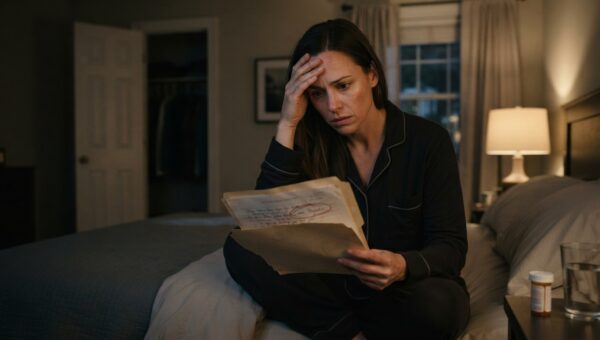
I opened the folder. The receipts didn’t match the calendar. Three weeks of refills were missing from my box, but the pharmacy logs printed right here in the packet showed the charges going through every thirty days like clockwork. Brenda had been collecting them, pocketing half the supply to stretch the stash, and leaving me with the scraps while she pocketed the difference to cover her husband’s truck payment or the girls’ travel soccer fees.
The phone on the wall started buzzing just as I sat down at the table. It was Brenda calling to say she was running late to drop off groceries.
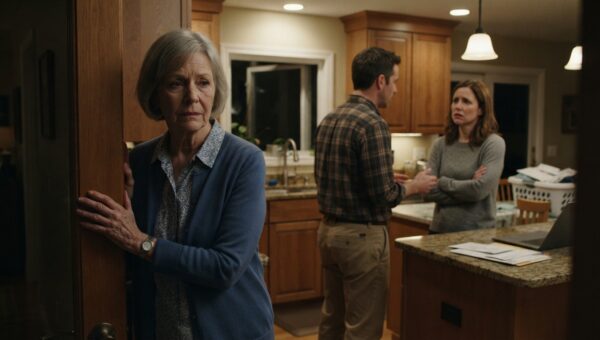
“Don’t come inside,” I told her when she pushed the back screen door open ten minutes later with two plastic bags from the save-a-lot. “Stay right there on the porch, Brenda.”
She stopped with her hand on the screen frame, her eyes darting from my face down to the kitchen table where the orange bottles sat in a neat, accusing row.
Brenda was thirty-eight, but she had that same pinched look her father got whenever the bank sent a past-due notice.
“Mom, what’s wrong with you?” she asked, dropping the bags onto the linoleum with a dull thud. “Why are the bottles out? I told you not to mess with the sorting.”
“Sixty pills, Brenda,” I said. My voice didn’t shake anymore. The dizziness had cleared out, replaced by a cold, steady sort of quiet that felt like winter moving into the room. “Leo found a hundred and forty. You’ve been cutting my doses in half since the snow melted.”
She looked away, her jaw working on something she wasn’t ready to say. “You don’t need the full dose. The doctor just writes what the insurance wants. You were fine.”
“I haven’t been fine for eight months,” I told her, and I stood up from the chair because I needed her to see me standing on my own two feet. “My chest feels like someone’s cinched a leather belt around my ribs every time I walk to the mailbox. You took my money and you took my medicine.”
“We’re drowning, Mom,” she said, her voice cracking right at the edge of the screen door. She didn’t sound like a thief; she just sounded tired, the way people sound when they’ve spent ten years robbing Peter to pay Paul until there isn’t a Peter left. “The insurance didn’t cover the copay for the specialist, and Mark’s hours got cut at the lumberyard. I had to use your account just for the grocery run, and the pharmacy said if I picked up the full script they’d drop our credit. I didn’t mean to hurt you.”
“You didn’t mean to,” I repeated. “You just didn’t care if I woke up.”
Leo walked over and took hold of the hem of my apron, his little fingers bunching the cotton in his fist. He didn’t say a word, but he looked right at his mother with those flat, dark eyes that missed nothing.
“Get your coat, Leo,” I said, keeping my eyes fixed on my daughter. “We’re going to walk down to the drugstore together.”
“Mom, you can’t just, ” Brenda started, her hand reaching out for the doorframe like she thought she could block the exit with her own body.
“I can,” I said, walking past her without slowing down. “And tomorrow I’m calling Dr. Vance myself to tell him who’s been answering his nurse’s questions.”
The walk down to Main Street took twice as long as it usually did because I had to stop twice by the hardware store window to catch my breath against the brick wall. Leo stayed right beside me, holding my thumb the whole way, his little boots clicking against the old concrete blocks.
The pharmacist, a quiet man named Mr. Henderson who had known my husband back when the mill was still running, took one look at my face and didn’t ask any questions when I laid the plastic bottles down on his glass counter.
“We’re resetting this account today, Arthur,” I told him, using my husband’s old nickname for him just to keep my teeth from chattering. “Delivery stays here. Pickups stay here. And nobody else signs for my white ones.”
He looked at the bottles, then at the date on my driver’s license, and he nodded once without looking up. “Done,” he said. “I’ll flag the profile right now.”
By the time we got back up the hill, the sun was dropping behind the ridge and the kitchen was dark except for the green LED numbers on the microwave. Brenda was gone. She had taken her grocery bags with her, but she left the blue folder on the front porch with a twenty-dollar bill tucked under the flap that I didn’t touch.
I sat down at the table with the new seven-day plastic tray I bought at the pharmacy counter. Leo stood on the chair beside me, watching every move my fingers made as I dropped the fresh, full white pills into their little Sunday-through-Saturday compartments one by one.
“That’s seven,” he whispered, pointing his finger at the little plastic lid as it snapped shut with a clean, hard click.
“That’s seven,” I said, and for the first time in eight months, my chest didn’t hurt at all.