The notification light on my phone flashed three times against the oak tabletop at 9:55 in the morning, a tiny silent pulse that I should have ignored. It was a group chat message from Alexander’s sister Claire, featuring a snapshot of a rented resort cabin in Aspen with four mug handles frosted in condensation. I stared at the little glowing screen for five seconds too long, feeling that dull familiar weight in the pit of my stomach that usually meant another family schedule had been rearranged without my input.
For seven years, my life had been measured out in school permission slips, pediatric asthma action plans, dentist appointment cards tucked into the kitchen drawer, and the endless logistics of raising a child who called me mom. Camila was three when I moved into the house on Maple Street. By the time she was ten, I knew the exact brand of cinnamon toast she preferred, how she liked her hair braided for track practice, and which nightlight helped her sleep through a thunderstorm. But I had learned over eight years of marriage that Alexander’s family operated on a bloodline hierarchy where my presence was tolerated only as long as I kept the household running quietly in the background.
The warning signs had been piling up for weeks like unread mail. Alexander had been working late downtown with suspicious frequency, and his mother Evelyn had started dropping casual hints about how wonderful it was that Renata was finally getting her old family traditions back.
I told myself I was being paranoid. I told myself that a husband of eight years wouldn’t completely erase seven years of daily devotion just because his ex-wife decided to spend the holidays in Colorado.
The cold truth hit us all on Sunday dinner. The table was set with our everyday stoneware, and the smell of roasted chicken hung in the air. Evelyn was talking about ski passes while Claire nodded along, buttering a roll with deliberate slowness. Alexander sat at the head of the table, looking unusually pleased with himself, and propped up his iPad against the sugar bowl so Renata’s face filled the screen.
“We’ve got everything sorted out for the break,” Alexander said, cutting into his chicken with a smooth, practiced motion. “Renata booked the main lodge for herself and Camila, and Mom and Claire are flying out Wednesday. It’s going to be a real family trip.”
I stopped chewing. I looked from Alexander to Evelyn, then down the table at Claire, who suddenly found a very interesting spot on her napkin.
“A family trip,” I repeated. My voice didn’t shake, though my chest felt hollowed out. “And where do I fit into this family trip?”
Alexander took a slow sip of water. He didn’t look angry; he looked annoyed, the way a manager looks when an employee asks a tedious question about vacation policy. He set his glass down with a soft clink.
“You’re not her real mother, Mariana,” Alexander said. “This Christmas isn’t your decision to make.”
The silence in the dining room became absolute. On the tablet screen, Renata smiled like she had just won the final round of a long-awaited battle. Upstairs, ten-year-old Camila was wrapping Christmas presents in her bedroom, completely unaware that the man I had loved for eight years had just annulled my motherhood with a single sentence.
I slowly set my fork down onto the edge of my plate so nobody would notice my fingers trembling.
“What exactly are you saying?” I asked quietly.
“I’m saying you’ve always been a wonderful help to Camila,” Evelyn chimed in, leaning forward with her best church-committee smile. “Truly, dear, we appreciate all the babysitting and driving you’ve done. But blood is blood. Renata is her mother, and it’s only right that Alexander takes our girl to spend the holidays with her real family.”
I didn’t yell. I didn’t flip the table or burst into dramatic tears. A strange, icy calm settled over my veins, washing away eight years of compromises in a single heartbeat. I thought of the prestigious design director position in Chicago I had turned down three years ago because Alexander said my place was in our hometown supporting Camila. I thought of the endless loads of laundry, the packed school lunches, the parent-teacher conferences I attended alone while Alexander was out of town on business.
“Pass the salt, please,” I said.
Alexander blinked, clearly thrown off by my lack of hysterics. He pushed the ceramic shaker across the table. I took a tiny pinch of salt, sprinkled it over my chicken, and pushed the plate away.
That night, after everyone else was asleep, I sat in my home office with the desk lamp clicked to its lowest setting. I pulled up my email inbox and scrolled down to find the message from the executive recruiter at the Chicago architectural firm, dated six weeks ago, asking if the directorship offer was still open. I opened a new draft, typed a single sentence accepting the position with a January start date, and hit send. Then I called Sarah, a fierce family law attorney downtown who owed me a favor from an old design project. We spoke in low whispers for twenty minutes. By midnight, the draft of my divorce petition was sitting in my secure folder, ready to be filed the moment the courts opened Monday morning.
Monday was a blur of calculated logistics. While Alexander was at his office and Evelyn was taking Camila to the dentist, I packed two suitcases with my personal clothes, my professional portfolio, and a few small mementos I had brought into the marriage. I left my wedding ring, polished and shining, right in the center of the kitchen island. Next to it, I placed a thick binder containing every medical record, school schedule, allergy list, and emergency contact for Camila that Alexander never bothered to read. On top of the binder, I placed the formal divorce papers, signed and notarized.
Tuesday morning arrived with a biting frost that turned the windshields white. Alexander was loading the ski bags into the trunk of his SUV while Evelyn and Claire fussed over Camila in the hallway. I stood by the front door, wearing my coat, watching them pack my life away into the back of a vehicle I helped pay for.
Alexander walked back inside, kissed my cheek with casual indifference, and gave me a parting instruction. “Make sure you clean out the refrigerator before we get back after New Year. And pick up that dry cleaning on Main Street. We’ll be exhausted when we return.”
“Have a safe flight,” I said. My voice was smooth, devoid of any edge that might tip him off.
Camila ran down the hall and threw her arms around my waist, burying her face in my sweater. “I’m going to miss you, Mariana. I’ll call you every night from the cabin.”
I knelt down, holding her tight for three long seconds, breathing in the scent of her shampoo. I pulled a small, silver locket from my pocket, one I had bought the day before, and slipped it around her neck. “I love you, Camila. Always remember that. No matter where I am, you are my girl.”
“See you soon!” she called out, skipping toward the car.
I watched the SUV back out of the driveway and turn down the corner. The moment the tail-lights disappeared around the bend, I picked up my two suitcases, walked out the front door for the last time, and locked it behind me.
By Wednesday afternoon, I was sitting in a corner booth at a diner downtown, signing the final paperwork with Sarah while my phone buzzed intermittently with text messages from Alexander asking where I had left his favorite wool sweater. I didn’t answer. I drove straight to the regional airport, boarded a flight bound for O’Hare, and watched the snow-covered suburbs shrink beneath the wing.
On Christmas Eve, I stood in front of the floor-to-ceiling windows of my new high-rise apartment in downtown Chicago, looking out at the glittering lights of Michigan Avenue. The apartment was quiet, smelling faintly of fresh paint and new beginnings. My phone remained silent for hours, until the evening of December 27th, when a frantic voicemail from Alexander finally broke through.
“Mariana, where the hell are you?” his voice barked through the speaker, raspy and panicked. “The house is freezing, Camila’s winter boots are missing from the hall closet, and the attorney’s office just served me with divorce papers. What kind of sick joke is this?”
I listened to the recording once, feeling nothing at all. Then I blocked his number, set the phone on the kitchen counter, and poured myself a cup of hot coffee.
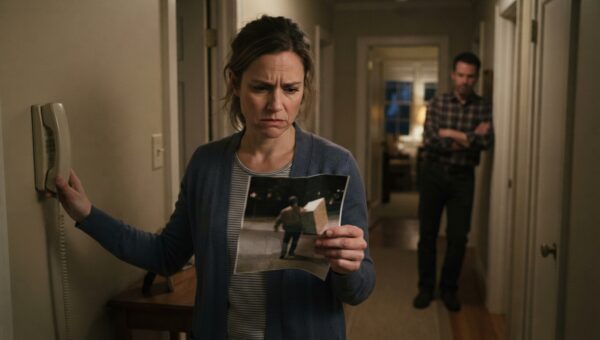
Three months later, a thick manila envelope arrived at my office through my attorney’s formal channels. Inside was a handwritten letter from Camila, written in her neat, school-girl cursive, telling me about her new art class and asking when we could get coffee. Wrapped inside the letter was a small photograph of her wearing the silver locket I had given her on the morning I left.
I stood by my studio window, looking down at the steady hum of Chicago traffic, holding the photograph in my hand. The empty seat at Christmas had been a cruel trap, but it was the catalyst that forced me back into my own life. I set the picture down on my drafting table, right beside my blueprints, and went back to work.