PART 1
The phone call came at nine in the morning while I was standing by the kitchen sink rinsing out a coffee mug. The woman on the other end introduced herself as a collections representative for a commercial lending firm in Reno. She spoke with that practiced, flat politeness people use when they spend all day delivering bad news.
Mrs. Campbell, she said, your balance is $213,000.
I stopped running the water. I looked out the kitchen window at our backyard bird feeder, where a lone finch was picking at thistle seed. I told her there must be some mistake. I said I didn’t have debt. My name was clear, and my husband and I paid our credit card balances off every month.
She didn’t rush. She just tapped her keyboard on the other end of the line. Your husband co-signed seven separate business loans between 2019 and 2024, Mrs. Campbell. Both names are on the promissory notes.
I sat down at the kitchen table because my legs felt hollow. I asked her what loans she was talking about. She listed them off one by one, giving me dates, lender names, and sums ranging from twenty thousand to forty-five thousand dollars. Every single one of them added up to $213,000.
Both names, she repeated. His signature. And yours.
After I hung up, my hands were shaking so badly I dropped my phone onto the table. I didn’t call Arthur right away. Instead, I went straight to our desktop computer in the small office off the hall. I logged into our credit monitoring service, the one Arthur always managed because he handled the household finances while I ran my upholstery shop.
There it was in black and white. Seven commercial loans. My name listed as co-borrower. My signature, copied with terrifying accuracy down to the little loop in the letter p.
I clicked through the transaction histories attached to the largest loans. The money hadn’t gone toward home repairs, or a new car, or any family expense I recognized. Every single dollar had been funneled out through electronic wire transfers to a commercial account in Nevada.
Arthur walked through the back door twenty minutes later with a bag of groceries from the local market.
He set the brown paper bag on the kitchen counter, whistling softly under his breath, looking every bit like a man who had nothing on his mind except what we were having for lunch.
I stayed sitting at the computer desk, the printouts of the loan agreements clutched in my hand. I could hear him moving around the kitchen, putting away the milk, closing the refrigerator door.
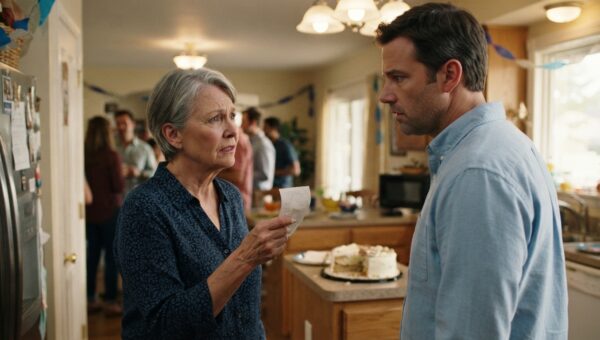
I got up, walked down the hall, and laid the papers flat on the kitchen island right in front of him.
PART 2
Arthur paused with a carton of eggs halfway to the shelf. He looked down at the white pages covered in legal jargon and bank seals, then looked up at me. His face didn’t flush. He didn’t drop the eggs. He just set them down slowly, closed the refrigerator door with a quiet click, and leaned his hips against the counter.
Those are investments, Karen, he said, his voice entirely too calm.
I stared at him. In what? I asked.
He didn’t answer right away. He reached into his shirt pocket, pulled out a small pack of mints, popped one into his mouth, and looked out toward the garage where his pickup truck was parked in the driveway. He didn’t look up at me.
You wouldn’t understand, he muttered, reaching for a dish towel to wipe his hands. It’s a venture. A logistics operation out west. It needed capital, and the banks required joint signatures to secure the commercial rate.
You forged my name, Arthur, I said, and my voice sounded thin even to my own ears. Seven times. For two hundred and thirteen thousand dollars. Without telling me a single word.
He tossed the towel onto the counter. It’s for our future, Karen. You’ve always been too timid with money. If we don’t take risks, we stay ordinary forever.
He picked up his truck keys from the key hook by the pantry, walked right past me without another word, and went out to the garage. Through the glass panel in the back door, I watched him climb into his truck. He didn’t leave. He just sat behind the steering wheel and started waxing the dashboard with a yellow microfiber cloth, stroke after slow stroke, as if I were nothing more than a stray dog barking at his fence.
I didn’t go out there to argue with a man who thought forgery was an investment strategy. I went back to the phone and dialed the FBI internet and financial fraud tip line, explaining the wire transfers and the forged promissory notes.
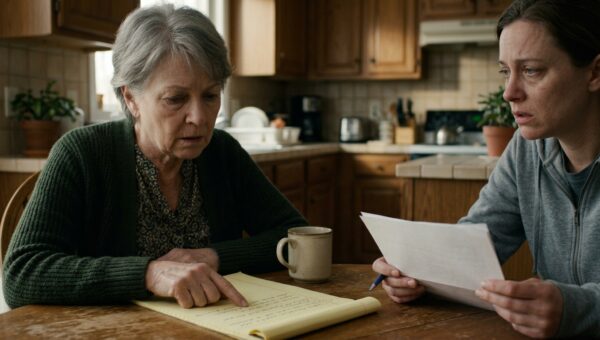
An agent named Miller called me back the next morning. Three days later, a gray sedan pulled into our driveway, and Agent Miller walked up to our front door carrying a black leather briefcase. He sat across from me at the kitchen table while Arthur was out running errands at the hardware store.
Mrs. Campbell, Agent Miller said, opening a manila folder, your husband isn’t investing in public stocks or real estate. He’s funding a business in Nevada. It’s registered to an individual.
He paused, looking down at a certified corporate filing from the Nevada Secretary of State.
The business is licensed under your maiden name, he said quietly. And the woman running it is your sister.
PART 3
The kitchen seemed to tilt on its axis. My maiden name was unusual enough that nobody outside our immediate family ever spelled it right on the first try.
My sister Chloe? I asked, the name tasting like ash in my mouth.
Agent Miller slid a certified copy of the articles of incorporation across the table. There was Chloe’s signature at the bottom, dated four years ago, right around the time she stopped coming to Thanksgiving and claimed she had moved to Reno for a fresh start after her divorce.
She opened a regional shipping and freight brokerage out there, Agent Miller explained, watching my face carefully. She needed startup capital. Banks wouldn’t touch her without collateral, so your husband used your home equity and your joint credit to bankroll her whole operation. He’s been moving the loan disbursements straight into her corporate accounts every month.
I looked at the documents, at the dates that coincided with family birthdays and holidays when Chloe had sent us polite Christmas cards with pictures of desert sunsets. Arthur had been quietly bleeding our financial life dry to set my estranged sister up in business, making me a silent, unwitting partner in a mountain of debt that could cost us our home.
When Arthur walked through the front door an hour later carrying a box of galvanized nails, he stopped dead in the entryway. Agent Miller was still sitting at the kitchen table, and I was standing by the window with the corporate filing in my hand.
Arthur dropped the box of nails. They hit the hardwood floor with a heavy, scattered crash, spilling across the hallway tiles.
You shouldn’t have called them, Arthur whispered, looking at the federal badge on the table.
You didn’t just spend our savings, Arthur, I said, my voice dropping into a cold, steady quiet. You made me a criminal partner in my own family’s grift.
Agent Miller stood up, buttoning his gray suit jacket. He pulled out a business card and laid it beside the corporate papers. Mr. Campbell, you’ll be hearing from the U.S. Attorney’s office regarding wire fraud and identity theft. I’d advise you to speak with legal counsel before you try to move any more funds out of state.
ENDING
Arthur didn’t try to wax his truck that afternoon. He sat on the edge of the living room sofa with his head in his hands, staring at the scuff marks on our hallway floor where the nails had spilled.
I didn’t yell at him. I didn’t pack his bags, and I didn’t ask where we were going to find two hundred and thirteen thousand dollars to satisfy the lenders. I simply walked into the small office, picked up the phone, and called a real estate attorney whose office was down on Main Street.
By evening, the house was entirely silent except for the hum of the refrigerator. I walked into the kitchen, picked up the box of spilled nails one by one, and dropped them back into their cardboard container until the floor was clean again.