PART 1
The envelope sitting on my kitchen counter was thick, cream colored, and stamped with a return address from a real estate attorney in the county seat. Inside was a formal notice of lien satisfaction for my sister Brenda and her husband Dale. They had finally paid off the second mortgage on their colonial home in Oak Creek. The house they would have lost four years ago if I had not wired seven hundred and fifty thousand dollars from my late husband’s life insurance payout straight into their escrow account.
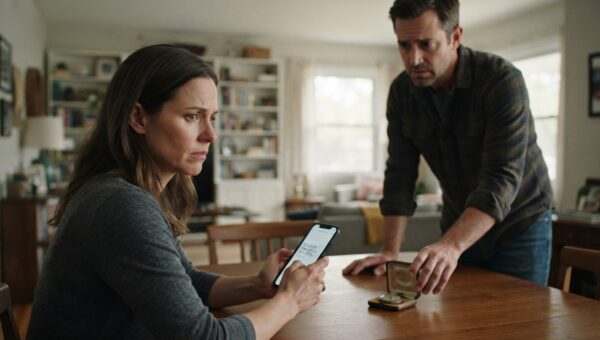
I remember that afternoon in October as clearly as if it happened yesterday. Brenda sat at my dining room table sobbing so hard she could barely breathe, while Dale stood behind her with his hand pressed against the back of her chair, his face gray with panic. The bank had issued a notice of foreclosure. Their business had sputtered out during the supply chain crunch, and their savings had evaporated in less than six months.
If we lose the house, Clara, the girls will have to change schools, and we have nowhere to go, Brenda had wept, reaching across the table to grip my hands with fingers that felt ice cold. Please. Just help us bridge this gap. We will pay every single cent back the moment the commercial property sells next year. We’ll sign whatever papers you want. You are our only family left.
I didn’t make them sign anything. That was my first mistake, rooted in a lifetime of old family habits where trusting your own blood was supposed to be worth more than a notary stamp.
We were sisters. We shared childhood memories of our mother’s kitchen and summers spent picking corn behind the barn. When someone you love is drowning, you don’t stop to draft a legal contract before throwing them a lifeline. You just throw it.
I wired the seven hundred and fifty thousand dollars the next morning. For the first two years, Brenda sent text messages every month thanking me, updating me on the commercial property listing, and promising that the payback was right around the corner. Then the texts started getting shorter. Then they stopped coming altogether.
Three years passed. The commercial property sold six months ago for a figure well above what they needed to settle every debt they owed. Yet when I called Brenda last Tuesday morning to ask about the transfer schedule, her tone had shifted from sisterly warmth to a chilling, rehearsed indifference.
We don’t owe anything, Clara, she had said, her voice completely flat over the line.
I paused, pressing the phone closer to my ear while standing by my kitchen sink.
What do you mean you don’t owe anything? The seven hundred and fifty thousand for the house.
You never made us sign anything, she laughed, a short, dry sound that had no humor in it whatsoever. Legally, it was a family gift. Consult an attorney if you think differently. But don’t call this house again.
The line went dead with a sharp click.
I stood there in the quiet kitchen for a long time, listening to the hum of the refrigerator. The cream colored envelope from the attorney’s office felt heavy and useless in my hand. They hadn’t just kept my money. They had weaponized my own trust against me, betting that I was too soft, too traditional, and too proud of our family name to fight back.
They had no idea who they were dealing with anymore.
PART 2
The next morning, I drove down to the county records office instead of calling a lawyer right away.
I spent four hours sitting at a public computer terminal wading through property deeds, tax assessments, and recorded lien releases.
What I found confirmed the ugly architecture of their plan. The commercial property had indeed sold for one point two million dollars two months ago. The proceeds had been wired directly into a newly created family trust registered under Dale’s name and managed by an LLC based out of Delaware. They hadn’t just pocketed the cash; they had deliberately restructured their assets to make themselves judgment proof against any informal claim.
As I walked out of the municipal building into the bright autumn sunlight, my phone buzzed in my coat pocket. It was an old mutual friend of ours, Arthur, whom I hadn’t seen since the family Thanksgiving two years ago.
Clara? Are you around? Arthur asked when I answered.
I’m in town, Arthur. Just running some errands, I said, leaning against my car door.
Listen, I hate to be the one to bring this up, but I ran into Dale at the hardware store yesterday, Arthur said, lowering his voice. He was bragging about how they just upgraded their boat and bought a second lot up by the lake. Wait… you seriously don’t know?
My stomach dropped into a cold, heavy knot. Know what?
Arthur hesitated, the line crackling softly. He was telling everyone that you finally signed over your inheritance share as an outright gift to help them get back on their feet. He said you realized you didn’t need the money because your husband’s pension was more than enough.
The rage that surged through me wasn’t hot or frantic. It was cold, clear, and focused. They hadn’t just stolen from me; they were telling our entire social circle that I was a senile, generous benefactor who gave away my life savings out of charity.
Thanks for telling me, Arthur, I said, my voice steady. I appreciate you looking out for me.
I hung up, got into my car, and drove straight to the downtown offices of Mr. Henderson, the estate attorney who had handled my husband’s estate and knew every corner of local property law.
Mr. Henderson listened without interrupting as I laid out the timeline, the bank wire receipts from three years ago, the recorded property sale, and Arthur’s account of Dale’s boasting at the hardware store. When I finished, he took off his glasses and rubbed the bridge of his nose.
Without a promissory note, a direct loan agreement, or a signed acknowledgment of debt, recovering an unsecured intra family transfer of this size through a standard civil suit is an uphill battle, Mr. Henderson said carefully. Especially with them hiding the proceeds behind a Delaware LLC.
There has to be something, I said, leaning forward across his mahogany desk. Look at the wire transfer memo from my bank account three years ago. What does it say?
Mr. Henderson glanced down at the printed statement I had slid across the blotter. He read the electronic metadata note attached to the wire: For temporary emergency housing settlement – Oak Creek property second mortgage closure.
He raised an eyebrow, a slow, knowing smile touching the corners of his mouth. Did Brenda ever text you about this transaction while it was happening or afterward?
Hundreds of times, I replied. Our entire text history is backed up on my cloud storage.
Bring me every message where she acknowledges the money was a loan, where she promises repayment, or where she discusses the sale of the commercial property to settle the debt, Mr. Henderson said, pulling a yellow legal pad toward him. An electronic paper trail of admissions can substitute for a formal promissory note when establishable under state fraud and unjust enrichment statutes. Let’s draft a formal demand letter with exhibits attached, giving them forty-eight hours before we file a multi count fraud and constructive trust action.
PART 3
The demand letter was hand delivered by a private process server to Brenda and Dale’s front porch at nine o’clock on Friday morning.
I spent the afternoon at home sitting on my back porch, watching the golden leaves drift across the lawn. My phone remained silent until three o’clock, when my screen lit up with an incoming call from Brenda’s mobile number. I let it ring out to voicemail. Ten seconds later, she called back. Then she called a third time.
When I finally answered on the fourth attempt, her voice was no longer cool or dismissive. It was shrill, trembling with genuine panic.
Clara? What is the meaning of this? she shrieked through the speaker. We were served with legal papers by some man at our front door! Are you out of your mind? You’re suing your own sister?
You told me we didn’t have a deal, Brenda, I said calmly, my teacup resting on the wooden patio table. You said I never made you sign anything, so legally it was a gift. But it turns out that text messages where you promise to pay me back from the commercial property sale carry quite a bit of weight in a constructive trust hearing.
We can talk about this! she stammered, her tough facade completely crumbling. Dale is losing his mind. The bank account freezes requested in the injunction mean we can’t touch our operating funds for the new business. Please, Clara, let’s just sit down over coffee and sort this out like family.
We aren’t family anymore, Brenda, I said. Not according to what you told me last week. You can talk to Mr. Henderson on Monday morning. Bring your checkbook.
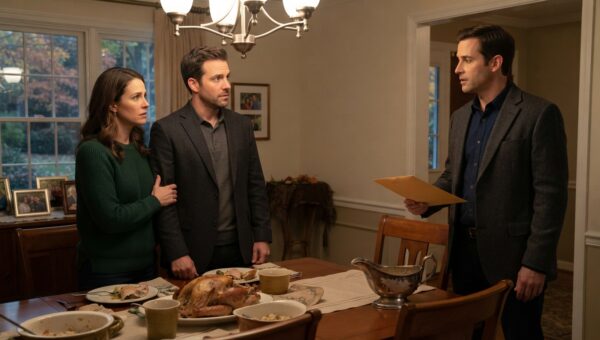
The confrontation didn’t happen in a courtroom. It happened in Mr. Henderson’s conference room ten days later under the watchful eye of a court reporter. Dale sat slumped in his chair, refusing to look at me, while Brenda wept into a tissue, muttering about how harsh and unforgiving I had become.
They didn’t fight the full amount once Mr. Henderson laid out the subpoenaed bank records from their Delaware LLC showing the exact path of the commercial property proceeds. They signed a court approved settlement agreement transferring seven hundred and fifty thousand dollars back into my escrow account, plus legal fees and interest, backed by a direct lien on their home and secondary assets.
As they stood up to leave the room, Brenda paused by my chair, her eyes red and swollen.
We’re still sisters, Clara, she whispered, her voice cracking. After all this, can’t we salvage something?
I looked at her, remembering the night she told me over the phone that I was a fool who had nothing to claim.
You got your house, Brenda, I said quietly. And I got my money back. That is the only relationship we have left.
ENDING
The money returned to my account three weeks later, perfectly restoring the safety net my husband and I had built over a lifetime of hard work.
The quiet in my house felt different after that. It wasn’t the heavy, lonely silence of betrayal anymore. It was the clear, steady quiet of independence. I didn’t block Brenda’s number, but I muted it, leaving her messages to drift into a folder I never opened.
On a crisp November morning, I walked out to my mailbox and found a small, plain envelope among the circulars. Inside was a handwritten note from Arthur, thanking me for keeping him updated and telling me that the community had finally learned the real story behind Brenda’s sudden financial gymnastics.
I folded the note, walked inside, and placed it beneath a small brass paperweight on my desk. Then I poured myself a fresh cup of coffee, sat down by the window, and watched the morning sun clear the top of the fence, shining bright and unbroken across the yard that was entirely, rightfully mine.