PART 1
The phone rang while I was standing at the copying machine in the back office of the dental clinic. It was two o’clock on a Tuesday afternoon, and the air conditioner had been humming a dry, rattling tune for three hours. When I saw my husband Arthur’s name flashing on the screen, I pressed the side button to silence it, thinking he probably wanted me to pick up groceries on my way home.
He called right back.
I wiped my palms on my apron, picked up the receiver, and said, “Arthur, I’m right in the middle of a patient chart run.”
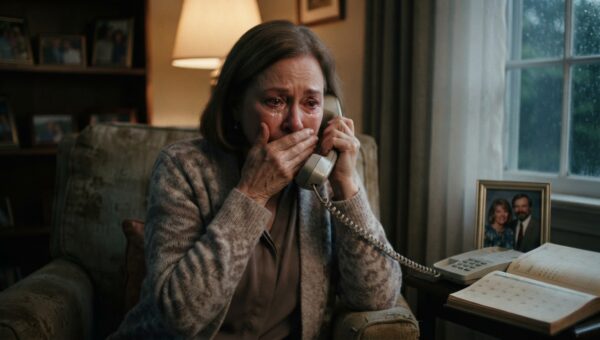
“Stop talking,” Arthur said. His voice didn’t sound like him. It was thin, tight, and shaking with an energy that made my skin prickle. “Listen to me very carefully. Your Uncle Richard just died.”
I stopped breathing for a second. Uncle Richard was my mother’s oldest brother, a man who had spent forty years living alone in a drafty farmhouse outside of Syracuse, raising sheep and refusing to talk to anyone after my aunt passed away. We hadn’t seen him in five years.
“Oh,” I said, my hand tightening around the plastic phone. “Did the hospital call you?”
“They called the lawyer,” Arthur snapped. “And the lawyer called me. Clara, your uncle didn’t have sheep. Not really. He had land. Mineral rights.
Timber. And stock holdings that went through the roof when the energy grid expansion hit his county ten years ago.”
I waited, expecting him to tell me we inherited a few thousand dollars to help pay off our car loan.
“Eight hundred million dollars,” Arthur whispered into the phone.
The copy machine hummed against my leg. “Arthur, that isn’t funny.”
“I am not joking,” he hissed. “The estate is valued at eight hundred million dollars, and because your mother passed and your brother died without children, it comes straight down the line to you. To us. Pack your things. Be out of the apartment before I get home at six.”
I stood in the narrow office for a long time after the line went dead. The fluorescent lights flickered overhead. Eight hundred million dollars. It was a number that didn’t belong in my world. It belonged in newspapers or movie screens.
But when I looked down at my sensible shoes and the ink stain on my thumb from the patient files, I knew Arthur wasn’t lying about the call. He was just lying about what came next.
PART 2
When I walked back into our small second-floor apartment at six-fifteen that evening, the front door was unlocked. The apartment smelled of stale coffee and the lemon furniture polish I had used on Sunday.
Arthur was sitting at the kitchen island. He had already changed out of his work khakis into a tailored charcoal suit that cost more than my monthly car payment. Spread across the laminate countertop were three thick stacks of legal paper held together by heavy metal clips.
He didn’t look up when the door clicked shut behind me.
“You took your time,” Arthur said, swirling a glass of scotch he must have poured from the expensive bottle we kept for weddings.
I set my canvas work bag on the floor by the coat rack. “Arthur, what is all this?”
He finally raised his eyes. They were cold, bright, and completely empty of the man I had married seven years ago.
He pushed one of the paper stacks across the counter toward me.
“Divorce papers,” he said smoothly, as if he were reading me a grocery list. “Mutual incompatibility. Standard terms. You waive all claims to future estate assets accumulated during the marriage, and in exchange, I give you fifty thousand dollars and the 2018 sedan.”
I stared at the thick white pages. My name was typed neatly at the top of every sheet: Clara Vance.
“You’ve been planning this,” I said, my voice barely louder than the refrigerator hum.
Arthur let out a short, clean laugh, leaning back in his barstool. “Clara, be realistic. You’re a dental receptionist. I’m a senior logistics coordinator. An eight-hundred-million-dollar estate requires a specific kind of management, a specific kind of social presentation. You think you can walk into a board meeting with timber barons and trust fund lawyers wearing a polyester cardigan from Target? I’ve been talking to corporate restructuring attorneys for three months about how to handle Richard’s holdings. The money was flagged months before the old man finally kicked it.”
Three months. Uncle Richard had died yesterday, according to his call, but Arthur had been preparing for my windfall long before the old man drew his last breath. He had drafted the paperwork, consulted specialists, and decided to discard me like an old pair of work boots the second the numbers hit his screen.
I didn’t cry. I didn’t scream or throw a glass against the wall. The shock had burned itself out during the drive home, leaving behind a cold, clear space in my chest.
I walked over to the kitchen island, picked up the heavy black fountain pen Arthur had left resting beside the signature block, and flipped straight to the final page.
“Where do I sign?” I asked.
Arthur blinked, surprised by the lack of a fight. He pointed a manicured finger at the bottom line. “Right there. Initial the box on the left, sign on the right.”
I signed every page in my neat, steady receptionist handwriting, dotting every i with quiet precision. Then I handed him the pen.
“There,” I said, sliding the papers back across the counter toward him. “Enjoy your fortune, Arthur.”
He picked up the papers, checked the signatures with a triumphant grin, and poured himself another finger of scotch. “You’ll get your check on Monday, Clara. Don’t worry. I’m not a monster.”
PART 3
I packed one suitcase with my clothes, my mother’s silver locket, and a small stack of photographs. By seven-thirty, I was sitting in my sedan, driving across town to my friend Brenda’s spare bedroom.
For the next three days, Arthur didn’t call. I spent the time clearing out my locker at the dental clinic, turning in my uniform, and answering quiet questions from Brenda while I drank chamomile tea at her kitchen table.
On Friday morning, exactly seventy-two hours after I signed the papers, my phone began to buzz against the wooden table.
It didn’t stop.
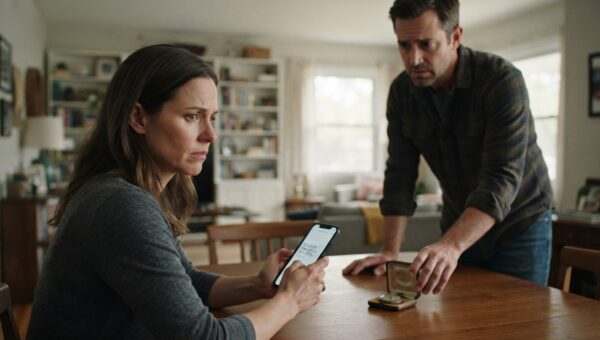
First came a call from my cousin Linda in Albany, whom I hadn’t spoken to since my mother’s funeral. Then a call from Arthur’s sister, Sarah. Then an unknown number from a Syracuse area code, followed by three text messages in a row from Arthur himself.
*Clara, answer your phone.*
*Where is the trust administrator?*
*What did your uncle actually sign?*
I picked up the phone on the fourth ring, just as Sarah’s number started flashing again.
“Clara?” Sarah screamed through the speaker, her voice shrill with panic. “What is going on? Arthur is locked out of his corporate accounts, the lawyers are saying the estate has no liquid value, and he’s running around the house like a lunatic!”
I kept my voice entirely calm. “Hello, Sarah. I’m fine, thank you for asking. How are the kids?”
“Never mind the kids!” she yelled. “Arthur said you inherited eight hundred million dollars! But the estate lawyer just told him that Richard’s entire holding was placed into a charitable land trust and a municipal water conservation covenant four years ago before he lost his mind, and that the only thing left in the personal probate estate is a forty-thousand-dollar debt on the tractor loan!”
I took a slow sip of my tea. “Oh. Is that right?”
“Did you know?” Sarah demanded, her voice cracking. “Did you know before you signed the divorce papers?”
“Arthur told me the estate was worth eight hundred million dollars,” I replied evenly. “He was very clear about it. He was also very clear that he wanted a divorce so he didn’t have to share his new social presentation with a dental receptionist.”
“Clara, you have to talk to him!” she cried. “He quit his job yesterday morning! He already put a deposit down on a five-million-dollar lake house in Vermont using his home equity line of credit because he thought the cash transfer was clearing today!”
The line went silent for a second, save for the muffled sound of shouting in the background—Arthur’s voice, high and panicked, demanding to know who answered the phone.
ENDING
I hung up before Sarah could say another word.
I set the phone down on Brenda’s kitchen table and watched the screen go dark. The sun was just beginning to clear the rooftops across the street, casting a warm, steady light through the kitchen window.
Brenda looked at me from across the table, her eyes wide with a mixture of shock and reluctant admiration. “Clara… did you actually know about the land trust?”
“Uncle Richard called me four years ago when he set it up,” I said quietly, tracing the rim of my ceramic mug. “He said he wanted the sheep to have the grass and the valley to have the water. He told me not to tell Arthur because Arthur always smelled like a man who cared more about what people owned than what they grew.”
I stood up, walked over to the counter, and picked up my coat.
“Where are you going?” Brenda asked.
“I’m going to look at a small apartment downtown,” I said, sliding my arms into the sleeves. “The rent is reasonable, the kitchen has a real window, and my name is the only one on the lease.”
I left the phone sitting on the table, face down, and walked out into the morning air.