PART 1
The sofa smelled faintly of cedar and old dust when Mark and I dragged it up the three wooden steps into our rental house. It was a heavy, olive-green piece with carved wooden legs, bought for seventy-five dollars from an estate sale on the west side of town. Our old sedan had finally given up the ghost the week before, throwing a rod on the way to my job at the hardware store, and our youngest son needed a new pair of winter boots before the first frost.
We were counting quarters for milk, so when we spotted the couch sitting on the lawn with a handwritten sign taped to the cushion, we figured it was a decent bargain.
Mark hauled it into the living room after the kids went to sleep. The fabric was worn thin along the armrests, and the cushions felt lumpy under my hand. When Mark unzipped the lining underneath to see why the middle was sagging so badly, a thick brown envelope drifted down and landed softly on our scuffed linoleum floor.
We both froze.
Mark reached down, his fingers shaking slightly as he pulled the flap open. Inside sat stack after stack of crisp hundred-dollar bills, banded together with yellowed paper tape. I pulled one band loose and thumbed the bills. Real ones. Ten thousand dollars in all.
For a long minute, neither of us said a word. The hum of the old refrigerator seemed to fill the entire room.
Ten thousand dollars meant we could fix the transmission on the car, pay off the two months of back rent that had been keeping me awake at night, and buy the kids their school supplies without swallowing hard at the checkout counter. It felt like a miracle dropped right into our laps from the sky.
Then Mark sat back on his heels, rubbing the back of his neck.
We need to find the owner, he said quietly.
I stared at him, my heart dropping into my stomach. Are you out of your mind, Mark? Look around this room. The landlord is talking about posting an eviction notice on Friday. Who knows whose couch this was? They are gone.
She was right there when we paid the seventy-five dollars, Mark said, his voice steady. The daughter. She was crying while people hauled her mother’s things away. That money didn’t belong in a piece of furniture sold for seventy-five bucks. She missed it.
I hated that he was right. I wanted to stuff the bills back into the lining and pretend we had never looked inside. But I knew Mark, and I knew myself. We couldn’t live with the quiet weight of it sitting in our closet.
The next morning, I called the estate sale company from my cell phone while standing behind the counter at the store. The manager took my number, grumbled something about privacy policies, and finally texted me a name and a phone number for the family.
I dialed the number during my lunch break.
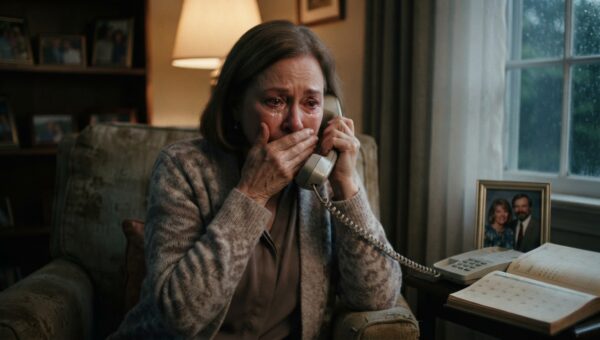
A woman answered on the third ring, her voice raspy and tired. When I told her about the brown envelope and the olive-green couch, there was a sharp intake of breath on the other end. Then she started crying.
PART 2
That was my mother’s, she sobbed into the phone, the sound breaking apart in a way that made my throat tighten.
She hid cash everywhere. After she passed away, we went through the house three times. We looked everywhere we could think of, but we thought someone had already cleared the stash out before the estate sale company got the contract.
I stood by the register, watching a customer browse through the plumbing fittings, feeling a strange mixture of relief and regret. At least we were doing the right thing.
I’ll bring it back, I told her, my voice softening. We haven’t touched a penny of it. We’re on the south side, but I can drive it over tonight or—
Wait, she interrupted, her crying stopping as quickly as it started. Her tone shifted, becoming sharp and cautious. How much did you find?
I hesitated for a second, looking down at my shoes. Ten thousand dollars, I said honestly.
The line went completely dead silent. I pulled the phone away from my ear to check if the call had dropped, but the timer was still running.
Then she let out a harsh, dry breath.
That’s not right, she said. Her voice sounded cold now, stripped of all the grief from a moment ago. There should be one hundred thousand. Keep looking.
The call ended with a sharp click.
I stood there by the register, the phone still pressed to my ear, listening to the dial tone. One hundred thousand dollars. Not ten thousand.
When I got home that evening, I didn’t even take off my coat before Mark and I dragged the olive-green couch back into the center of the living room. We ripped the remaining fabric away from the bottom frame. We unpicked the stitching along the back panels. We reached deep into the foam stuffing of every single cushion, our fingers tearing through old cotton and lint.
What I found wasn’t more cash.
It was a small, worn leather ledger tucked deep inside the wooden base frame, right behind the central spring assembly where ordinary hands would never brush against it.
Mark held the flashlight steady while I opened the cover. The pages were filled with neat, old-fashioned handwriting, detailing dates, names, and amounts going back twenty years. But it wasn’t a record of savings. It was a record of extortion.
PART 3
Every entry listed payments made to a local law firm and a man named Arthur Vance, alongside notes about a disputed will and a second family that had been quietly written out of an inheritance. According to the entries, the mother whose estate we had just bought from had spent the last decade paying hush money to protect a secret that involved not just her children, but someone very close to the legal firm that handled the sale.
And right there on the final page, dated two days before she died, was a note scribbled in shaky ink: If anything happens to me, the safe deposit box at the downtown bank holds the real papers. Brenda knows.
Brenda was the daughter who had just screamed at me over the phone about the missing ninety thousand dollars.
We didn’t call Brenda back that night. Instead, Mark and I sat at the kitchen table with the ledger between us, the ten thousand dollars sitting in a neat stack beside our unpaid utility bills.
The pieces started clicking together with an uncomfortable clarity. Brenda hadn’t been crying because she missed her mother’s sentimental cash. She had been panicking because she knew the money was there, and she knew the estate sale company had accidentally sold the couch before she could scavenge the hiding spot herself. She wanted the cash back, but more than that, she wanted whatever else might have been hidden inside the upholstery.
The next morning, I didn’t go to work. I drove our sputtering car down to the county courthouse with the ledger tucked safely inside my canvas work bag.
I asked for the probate records on the estate of Helen Vance. The clerk at the counter looked up the file, and within twenty minutes, I was sitting across a wooden desk from a junior county investigator named Miller who actually listened when I laid the ledger and the ten thousand dollars out on his blotter.
Where did you say you got this? Investigator Miller asked, adjusting his glasses as he read through the extortion entries.
An estate sale on the west side, I told him. We bought the couch for seventy-five dollars. The daughter called me yesterday claiming there was a hundred thousand dollars missing. She didn’t sound like a grieving relative. She sounded like someone looking for stolen property.
Miller didn’t smile. He opened a drawer, pulled out a local newspaper clipping from three weeks prior, and slid it toward me. It was a short article about a disputed probate filing involving the Vance estate, led by a disgruntled niece who claimed her aunt had been coerced into changing her will before she died.
The daughter, Brenda, and her husband have been fighting the probate court for months, Miller said, tapping his pen against the desk. They claimed the old woman died penniless, but everyone in town knew she sat on a substantial cash reserve from selling off her timber land years ago. We just couldn’t find where she stashed it.
He looked at the ten thousand dollars, then up at my face.
You brought the cash straight in?
Every last cent, I said. We need our car fixed, and we need our rent paid, but we aren’t thieves.
Miller nodded slowly, picking up his phone to make a call. Well, Mrs. Miller, you and your husband just handed the prosecutor the missing link in a major estate fraud case. Brenda and her lawyer husband have been systematically hiding assets from the court.
ENDING
It took three weeks for the courts to sort out the mess. The remaining ninety thousand dollars wasn’t in the couch, as it turned out; investigators found it in a safety deposit box at the bank downtown, registered under a shell company Brenda and her husband had set up six months before the old woman passed away.
Because we turned the initial ten thousand in voluntarily and helped uncover the hidden ledger, the county magistrate saw to it that a finder’s fee and administrative reward were properly awarded from the estate’s recovered funds.
It wasn’t a fortune, but it was enough to buy a reliable used sedan that started every single time I turned the key, pay off our back rent, and give our kids a proper winter without the constant knot of worry in our stomachs.
We threw the olive-green couch out on the curb last Tuesday when the garbage truck came by. The stuffing was ruined, the springs were shot, and there was nothing left inside it worth keeping.
Mark and I stood on the porch watching the sanitation workers hoist it into the back of the truck.
Think there’s any money in the next one? Mark asked, giving me a small, tired smile.
I shook my head, slipping my hand into his pocket as we walked back inside. I think seventy-five dollars is enough excitement for one lifetime.