PART 1
The first time I noticed it, I thought it was just a laundry mix-up at the end of a long Tuesday. Clara was eighteen months old, and like most toddlers at that age, she had her routines. I always packed her favorite diapers, the Pampers that cost forty-two dollars a box because her sensitive skin broke out in angry red welts with anything else.
When I pulled her out of her car seat that evening, I changed her into her nightclothes and found a stiff, generic store-brand diaper fastened around her middle.
I didn’t think much of it until the very next day.
I picked her up at five o’clock, and when I unzipped her little pink unicorn backpack, her lunch bag was sitting right at the bottom. Untouched. The apple slices I had spent ten minutes carving into thin, easy-to-grab wedges were turning a dull, bruised brown against the plastic wrap. The organic chicken strips and steamed broccoli I had prepared with such care were completely cold.
“Did Clara not eat her lunch today?” I asked the young assistant at the front desk, my voice polite as I zipped the bag back up.
The assistant barely looked up from her clipboard. “Oh, she must have just been too busy playing,” she said quickly, her fingers tapping away at a ballpoint pen. “They get distracted easily at this age.”
I nodded, feeling a quiet knot tighten in my stomach, and carried Clara out to the car.
But three days in a row, the pattern repeated. Three days in a row, the diapers I supplied vanished from her cubby, replaced by cheap plastic ones. Three days in a row, the lunch containers came home with the seals completely unbroken.
On the fourth morning, I decided to test what was actually happening. Before I dropped her off, I took a black Sharpie and drew a tiny, distinct dot on the inside waistband of every single diaper in her supply sleeve. I also placed a piece of blue painter’s tape across the cap of her two milk bottles with her initials written in block letters.
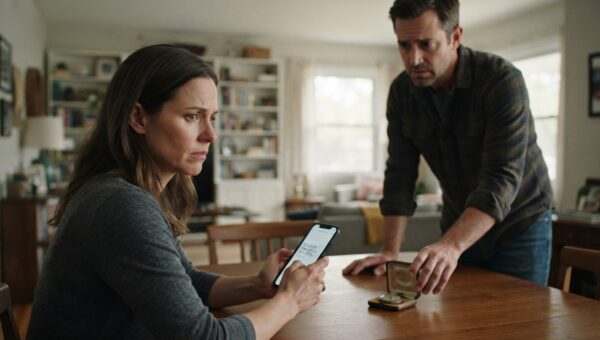
When I picked her up that afternoon, I rushed out to the parking lot and immediately checked her bag. The diapers in her supply sleeve were gone. The ones she was wearing had no Sharpie dot. I unscrewed her milk bottle. The blue painter’s tape had been peeled off entirely, and when I sniffed the contents, it wasn’t whole milk. It tasted thin and flat.
Water. They were filling her bottles with tap water. Formula is thirty-eight dollars a can, and I provided two cans every Monday morning.
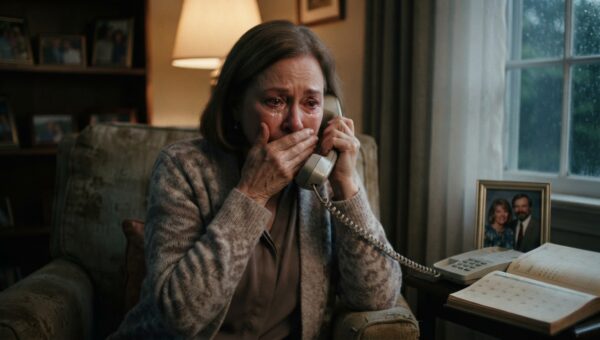
By the time I buckled Clara into her seat, my hands were shaking so hard I dropped my car keys on the asphalt. I didn’t drive home. I drove straight to the state licensing and child care division office downtown, parked illegally in a loading zone, and filed an emergency formal complaint.
PART 2
The state inspector arrived at the daycare unannounced two mornings later. Her name was Mrs. Gable, a sharp-eyed woman with silver hair pulled back into a tight bun and a clipboard tucked under her arm like a shield. I only knew she was there because I had called the office from my car parked down the block, waiting to see what would happen.
From my view across the street, I watched Mrs. Gable push open the front glass door of the facility. Twenty minutes later, the front blinds were drawn shut.
When the inspection report finally reached my email two days after that, the numbers painted a devastating picture. The facility was licensed for eight children in its primary infant and toddler room. When Mrs. Gable walked through that kitchen door unannounced, there were sixteen children crammed into the space, supervised by only one exhausted teenage caregiver who didn’t even have her first aid certification up to date.
The kitchen told an even uglier story. The owner, a woman named Brenda who drove a brand-new white Mercedes sedan and charged parents top dollar for premium care, had been boasting on her enrollment flyers about organic chicken, fresh steamed broccoli, and imported formulas.
Mrs. Gable’s report listed what was actually in the pantry: bulk cans of generic store-brand ravioli, cheap white bread, and one large pot of watery pasta sauce. Brenda was pulling in twenty-eight thousand dollars a month in tuition fees from sixteen desperate families on the waiting list, while her total monthly food spending for sixteen growing toddlers came out to three hundred and forty dollars.
That evening, I started digging deeper. I called three parents I knew from the neighborhood whose children had attended the facility over the past two years. None of them had noticed the diaper swaps or the watered-down bottles because Brenda kept parents locked behind a security gate in the foyer and never let anyone past the front desk.
Worse still, when I looked up Brenda’s professional background through the state business registry, her references turned out to be completely fabricated. And then I found the record of her previous daycare facility, which had been shut down by health inspectors three years prior under an identical set of violations. Same overcrowding, same starved grocery budgets, same systematic theft of supplies brought by parents. And listed right beside her name as the co-owner of that shuttered facility was someone whose identity made my breath catch in my throat.
PART 3
The name on the incorporation papers from the closed facility wasn’t just an associate. It was my own brother-in-law, David.
For years, David had played the role of the successful corporate consultant, dropping by our house for Sunday dinners in tailored suits, talking endlessly about his investments and commercial real estate ventures. Whenever my husband and I asked why David never seemed to settle down with a permanent office, he always waved his hand and muttered something about silent partnerships in private equity.
The pieces fell into place with a sickening clarity. Brenda wasn’t just running a rogue operation on her own. She was the front-facing operator of a recurring scam, setting up high-turnover, premium-priced daycares in rented residential spaces, milking the tuition fees dry while feeding the children cheap canned starch, and then folding the LLC the moment a state inspector started asking too many questions. And David was the financial backer who provided the startup capital using funds funneled through shell companies.
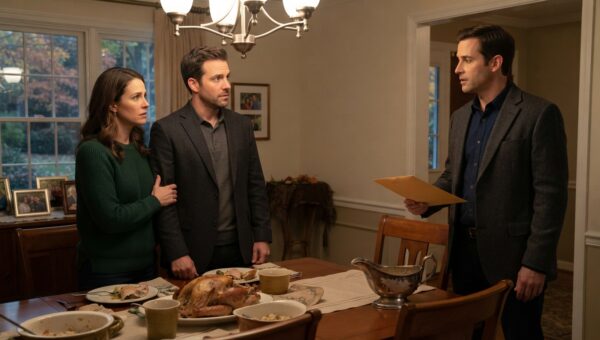
I didn’t wait for a family gathering to confront them. I printed out the state inspection report, the financial ledgers showing the twenty-eight thousand dollar monthly revenue against the paltry three-hundred-dollar food budget, and the official state registry matching David’s signature to the previous shuttered facility.
I drove straight to my sister Sarah’s house, where David happened to be sitting at the kitchen island drinking coffee and scrolling through his phone.
When I placed the thick stack of papers right on top of his tablet screen, the color drained completely from his face. He didn’t even try to deny it. He just stared at the state seal on the top document, his mouth opening and closing like a fish out of water.
“How did you find this?” David whispered, his voice trembling as my sister looked back and forth between us in total confusion.
“You and your partner were starving sixteen toddlers to pad your bank accounts,” I said, my voice steady and cold. “And you used my daughter’s daycare to do it. The state inspector is already forwarding the complete file to the district attorney’s office for criminal fraud and child endangerment charges.”
Sarah picked up the top paper, her eyes scanning the registry signatures and the matching corporate EIN numbers linking David to Brenda’s previous shut-down facility. When she realized what her husband had been hiding behind his polished suits and fake investments, she didn’t scream. She simply set the paper down, walked to the hallway closet, and tossed David’s leather jacket out onto the front porch before locking the heavy oak door behind it.
ENDING
The state revoked Brenda’s operating license permanently within forty-eight hours of the report hitting the commissioner’s desk, and the white Mercedes parked outside her facility was repossessed by the bank before the end of the week.
I still pack Clara’s lunch every morning, taking an extra two minutes to carve her apple slices into neat little wedges. Only now, I don’t wonder where the food goes or whether the diapers in her bag will be replaced by cheap imitations.
Sometimes, when I zip her small pink backpack shut before we walk out the door, I run my thumb over the fabric where I used to tape her bottles, remembering how quiet the kitchen felt the night I finally laid those papers on the counter. Some lessons are bitter to learn, but once the truth is out in the open, it can never be buried again.