PART 1
The smell of toasted pecans and melted butter had been my life for twelve years. My bakery sat right on the corner of a historic tourist-heavy square in Savannah, Georgia, where the moss hung low from the live oaks and horse-drawn carriages clicked past my front window. I built that shop brick by brick after my husband passed, working sixteen-hour days until my feet swelled and my hands developed the permanent flour-dusted calluses of an independent artisan baker.
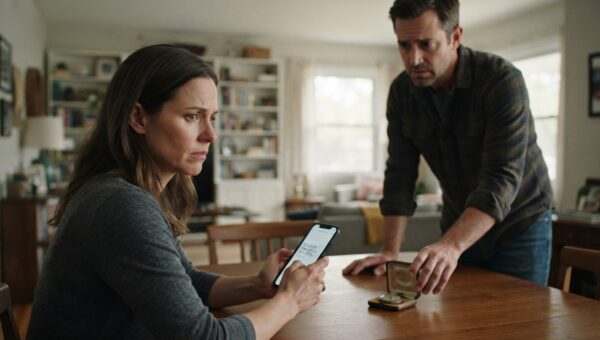
My son-in-law, Marcus Vance, always looked at my shop the way a hawk looked at a field mouse. Marcus was thirty-four, wore expensive linen suits, and called himself a high-end boutique hospitality consultant. He spent his days advising investors on hotel properties, though whenever I saw him at family dinners, he was checking his phone with a tight, nervous smile that told me his own ventures were bleeding cash.
The trouble began right after minor knee surgery last spring. I was laid up for two weeks, walking with a cane and doped up on pain pills that made the room spin. Marcus had offered to help me handle my routine commercial lease paperwork while I recovered. He told me the building trust required an updated tenant rider for insurance purposes.
I trusted him because he was married to my daughter, and because my knee throbbed so badly I could barely think straight.
I signed a stack of papers at my kitchen table without reading every line.
Three months later, I walked into the shop at five in the morning to start the sourdough, and found an unexpected certified letter taped to my front glass. It was from a commercial waste management provider, notifying me that the account billing name had been changed from Elena Rostova to Apex Hospitality Group, LLC, a shell corporation registered to Marcus.
When I called the commercial real estate office downtown, the clerk told me the lease had been fully assigned. According to their records, I had transferred my downtown bakery storefront rights and my $85,000 in specialized industrial baking equipment over to Marcus’s firm, leaving me facing sudden eviction from my life’s work.
The lease equity alone was worth $315,000. And Marcus had just taken it all with a stroke of a pen.
PART 2
I didn’t call Marcus. I didn’t scream into my phone or drive to his sleek office to cause a scene.
Instead, I walked straight down to the county property registry office on Bay Street.
The records clerk pulled the original commercial lease transfer ledger from the filing cabinet. I laid my glasses on the counter and looked at the filed lease rider. My signature was there, but it looked stiff, traced by someone trying too hard to mimic my looping script. Beneath it was a notary stamp from a shipping center across town that had gone out of business two years ago.
When I checked the notary commission number on the filed document, it didn’t match the state registry database. It was a complete fabrication. Marcus had bypassed the mandatory co-signature clause held by the building’s original trust executor by inventing a bogus notary seal.
The $85,000 in specialized baking assets, including my custom rotary deck oven and the Italian spiral mixer, were listed as corporate collateral for a high-interest bridge loan Marcus had taken out to cover his failing hospitality consulting debts.
He was sinking fast, and he had decided to auction off my livelihood to save his own skin.
That afternoon, I sat in the office of a commercial real estate litigation specialist.
Mr. Vance, a sharp lawyer who knew every inch of Savannah commercial law, laid out our options after reviewing the county records and my medical discharge papers from the week I supposedly signed the transfer.
“We don’t need to argue with him in public, Mrs. Rostova,” the lawyer said, tapping his pen against the desk. “We have a clear case of fraudulent conveyance and forged notarization. But to stop him from executing the asset transfer to his lenders, we need proof of who submitted the paperwork.”
I remembered the municipal permitting office on the second floor of the civic center, where public kiosks recorded digital filings. Two weeks after my surgery, while I was still locked in my house with my knee elevated, Marcus had spent forty minutes at terminal three.
With my lawyer’s formal request letter, the municipal IT department pulled the unedited security camera video file from that afternoon. The footage showed Marcus sitting at the public kiosk, holding a clear plastic sheet with my signature traced on it, carefully copying it onto the digital lease assignment form while looking over his shoulder every few seconds.
PART 3
Two days later, a bright yellow notice of inspection was posted on my bakery door. Marcus walked into the shop around noon, wearing his usual tailored linen suit and carrying a leather portfolio. He looked around my dining room, checking the crown molding and running a finger across a wooden table as if he already owned the place.
“Elena,” Marcus said, flashing a practiced, charming smile. “I see you got the notice. Look, I know this transition feels abrupt, but Apex Hospitality is streamlining the ground-floor retail spaces in this district. You can stay on as a salaried head baker, but the lease and the equipment are corporate assets now. It’s just business.”
I stood behind the pastry counter, wiping flour off my hands with a damp cotton towel. I didn’t raise my voice.
“You think an immigrant baker doesn’t know how to read a county property record, Marcus?” I asked quietly.
His smile faltered for a fraction of a second. “I don’t know what you’re talking about.”
“I am talking about the county property registry transfer ledger,” I said, placing a thick manila folder on the counter between us. “I am talking about a notary stamp from a defunct shipping center that hasn’t been active since twenty-fourteen. And most of all, I am talking about municipal kiosk security camera footage from April fourteenth showing you tracing my signature onto a digital form while I was stuck at home with knee surgery.”
Marcus’s face drained of color. The arrogant, smooth veneer cracked instantly, revealing the cornered, desperate gambler underneath. “You pulled municipal security footage? Elena, let’s not get the courts involved. This was just a temporary bridge arrangement for a liquidity crunch. The lenders are wiring funds next week. We can reverse the paperwork quietly.”
“You filed a fraudulent commercial lease assignment to steal my $315,000 lease equity and $85,000 in baking equipment,” I replied, my voice steady and cold. “My attorney filed an emergency administrative challenge with the county clerk this morning, along with a formal lis pendens on the commercial leasehold.”
Marcus stared at me, his mouth opening slightly as he realized the trap he had built for me had snapped shut around his own neck.
The consequences were swift and merciless. Within seventy-two hours of the public legal filing hitting the county system, corporate clients caught wind of the fraud inquiry and terminated Marcus’s hospitality consulting contracts en masse. The state licensing board opened a formal investigation into the fraudulent notary usage. Under mounting pressure from his investors and the threat of criminal prosecution, Marcus was legally compelled to sign a court-ordered relinquishment of all lease rights, covering every cent of my legal cost reimbursement.
ENDING
Three weeks later, the county registry officially restored the commercial lease and all equipment titles entirely to my name, free and clear of any encumbrance.
The morning sun streamed through the front window of my bakery, catching the polished steel of my rotary deck oven. My daughter called once, crying and apologizing for her husband’s greed, and I listened with a gentle, sorrowful heart before setting firm, permanent family boundaries that could never be crossed again.
I tied my flour-dusted apron around my waist, breathed in the rich, familiar scent of rising dough, and unlocked the front door for the morning rush. The shop was mine, my livelihood was secure, and the quiet peace of my own labor was restored.