PART 1
The drawing board in my second-floor home office in Charleston still smelled of cedar dust and lead ink. For over thirty years, as an independent residential architectural draftsman and zoning consultant, I had walked the historic streets south of Broad, measuring foundation settling, hand-drafting carriage house restorations, and securing preservation approvals from the city board.
My nephew, Chase Miller, always looked at my drafting archive the way a hungry hawk looked at an open field.
Chase was thirty-one, wore sharp charcoal suits, and called himself a speculative real estate investor. He spent his days courting out-of-state buyers who wanted to gut historic properties and turn them into boutique hospitality units. Whenever he visited my office, he would tap his polished loafers against my reference books and talk about scaling, digital portfolios, and leveraging intellectual property.
The trouble began right after my shoulder surgery last autumn.
I was laid up in a sling for three weeks, popping pain pills that made the ceiling fan blur and struggling to button my own shirts. Chase had offered to help me handle my routine digital backups and software licensing renewals while I recovered. He told me the municipal archiving system required a temporary administrative link through his firm to keep my active projects from stalling.
I trusted him because he was my sister’s boy, and because my shoulder throbbed so badly I could barely hold a cup of coffee.
I shared my administrator login credentials with him so he could upload progress PDFs for the boutique hotel restoration project on Meeting Street.
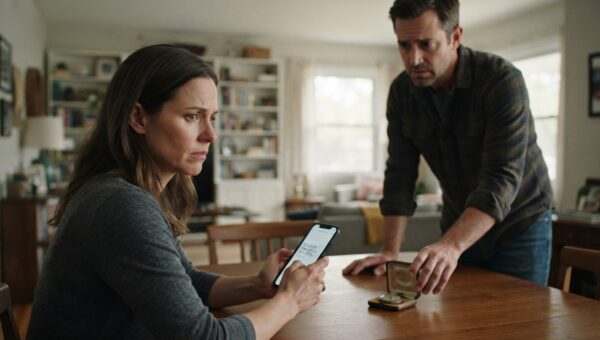
Three months later, I sat at my drafting table early on a Tuesday morning, ready to pull up the master cad drawings for an old brick piazza restoration, when a crisp notification popped up in the corner of my screen. It was an account deactivation notice from my digital drafting software subscription, stating that my primary license had been transferred to a corporate entity named Vanguard Development Group.
When I called the subscription provider’s support line, the representative told me the master account controls had been permanently migrated. According to their system records, I had transferred sole ownership of my proprietary historic preservation drawings and my $145,000 in architectural design fees tied to the $480,000 hotel restoration project over to Chase’s firm.
My life’s work, accumulated over three decades of careful measured drawings and archival research, had been signed away with a keystroke while my arm was locked in a sling.
PART 2
I did not call Chase. I did not drive down to his speculative real estate office to shout across his glass-topped conference table.
Instead, I pulled up the official electronic submission audit log from the U.S. Copyright Office database using my professional registry account.
The digital metadata trail was glaringly clear. The copyright transfer and municipal agent authorization forms had been submitted at 3:14 AM on a Thursday during the second week of my shoulder recovery. The IP address linked to the upload did not originate from my home network. It traced back to an external commercial connection downtown.
That afternoon, I walked down to a small print shop on King Street where Chase often picked up marketing boards for his investors. With a quiet request and a modest search fee, the counter manager pulled a local print shop receipt from that exact week. It showed that Chase Miller had ordered duplicate engineering blueprint copies and paid cash for rapid-turnaround digital scanning services during the exact days I was medicated and housebound.
The central hidden truth settled into my mind with the cold weight of lead.
Chase had forged my digital signature on the federal copyright assignment records using an administrative override code he obtained while working temporarily out of my home office during my surgery.
He was facing severe financial panic over high-interest bridge loans on two failing historic townhouses he had purchased without proper zoning clearances. He needed my design retainers and my federal copyright portfolio as collateral to satisfy his institutional lenders before the end of the quarter.
I took the metadata logs, the print shop receipt, and my medical discharge papers straight to an intellectual property litigation attorney whose office overlooked the harbor.
Mr. Vance, a lawyer who had spent thirty years fighting property disputes in the Lowcountry, reviewed the documents with a grim, steady expression.
“Garrett, if we file an emergency petition for copyright cancellation with the U.S. Copyright Office alongside a formal notice of fraudulent assignment, we can freeze the asset transfer before his lenders disburse the next round of funds,” the lawyer said, tapping his pen against the desk. “But we need to act immediately, before he records the assignment at the municipal level.”
PART 3
Two days later, the municipal historical commission held its monthly public review hearing in the second-floor chamber of the old brick courthouse. The room was packed with local architects, preservationists, and developers holding rolled blueprints.
Chase walked into the chamber wearing a tailored linen suit, looking every bit the successful young visionary. He spotted me sitting in the second row, carrying a weathered leather portfolio, and offered a smooth, practiced smile as he took the seat beside me.
“Garrett,” Chase whispered, leaning over with an air of patronizing concern. “I heard you had some confusion over the software licensing update. Look, I know digital archiving feels overwhelming at your stage of the career. Vanguard is just consolidating the Meeting Street deliverables to protect our timeline. You can stay on as a consulting draftsman, but the copyrights and design fees belong to the corporate entity now. It is just modern business efficiency.”
I looked straight ahead at the mahogany dais where the commissioners were settling into their leather chairs. I did not raise my voice.
“You think an old draftsman who spent thirty years measuring historic brick arches doesn’t know how to check federal digital metadata logs, Chase?” I asked quietly.
His smile faltered for a fraction of a second. “I do not know what you are talking about.”
“I am talking about the U.S. Copyright Office electronic submission audit log showing an IP address from a print shop on King Street during the week of my shoulder surgery,” I said, placing a thick manila folder across my knees. “I am talking about cash receipts for duplicate engineering scans. And most of all, I am talking about using an administrative override code I gave you in good faith while I was medicated.”
Chase’s face drained of color. The smooth corporate facade cracked instantly, revealing the cornered, desperate speculator underneath. “You pulled federal metadata? Garrett, let us not make a public scene here in front of the commission. This was a temporary liquidity bridge for a bank loan. The townhouses sell next month. We can reverse the paperwork quietly before the hearing starts.”
“You forged my signature on federal copyright documents to steal my $480,000 project valuation and $145,000 in design retainers,” I replied, my voice steady and cold. “My attorney filed an emergency petition for copyright cancellation with the U.S. Copyright Office this morning, along with a formal notice of fraudulent assignment.”
Chase stared at me, his mouth opening slightly as he realized the trap he had built had snapped shut around his own career.
The consequences were swift and merciless. Within forty-eight hours of the federal administrative challenge hitting the public registry, Chase’s institutional lenders caught wind of the active title cloud on the Meeting Street project and placed an immediate default notice on his high-interest bridge loans. The state licensing board opened a formal investigation into professional fraud. Under mounting pressure from his investors and the threat of federal prosecution, Chase was legally compelled to execute a full copyright reassignment back to my name, alongside court-ordered legal cost reimbursement.
ENDING
Three weeks later, the U.S. Copyright Office officially restored the complete architectural archive and design rights entirely to my name, free and clear of any corporate encumbrance.
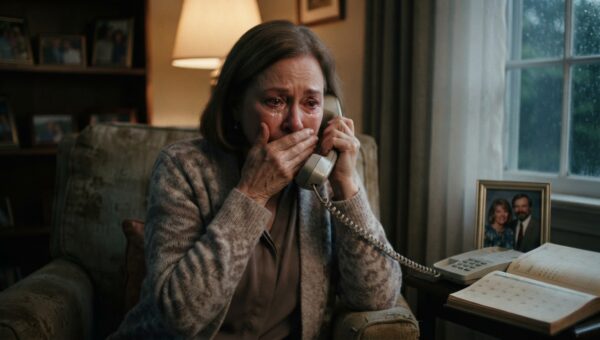
The morning sun streamed through the high windows of my home office, catching the fine dust motes hanging in the air above my drawing board. My sister called once, weeping and pleading on her son’s behalf, and I listened with a gentle, sorrowful heart before setting firm, permanent family boundaries that could never be crossed again.
I picked up my drafting pen, adjusted the lead point, and straightened a sheet of heavy vellum across the wood. My life’s work was secure, my professional dignity was restored, and the quiet peace of my own labor was entirely my own once more.