The rain against the glass of the fourteenth-floor conference room always sounded like a handful of small gravel being tossed at the window every time the wind came off Elliott Bay. I stood there with my briefcase in my left hand, staring down at the tail lights of the northbound traffic crawling up Fourth Avenue in the gray Seattle drizzle.
My phone buzzed against my palm at precisely 6:12 p.m., the little illuminated screen flashing a name I had spent the last seven days preparing to see. Mom. I didn’t swipe to answer immediately. I let it ring twice, three times, listening to the soft, rhythmic thrum of the building’s HVAC system overhead while the screen lit up the damp cuff of my wool coat. When I finally pressed my thumb against the glass and slid it across, the sound of her breathing came through the speaker before she even spoke a word, that familiar, heavy intake of air that always meant she was about to deliver some manufactured catastrophe.
My parents had spent my entire childhood treating my bank account like an extension of their own checking, long before I ever moved out of our house in Bellevue and started working fifty-hour weeks crunching risk portfolios for a corporate logistics firm.
Back then, money was always something that belonged to whoever could scream the loudest or make the most convincing scene at the kitchen table. My sister Chloe was the sun that our entire household revolved around, a golden girl who never learned how to balance a checkbook because she never had to look at a single number longer than it took to spend it. I remember the exact Tuesday afternoon three years ago when I first realized I was just the engine keeping their lives running, standing in my father’s home office while he calmly explained that my college fund had somehow been redirected to pay off Chloe’s first semester deposit at a private art institute in Portland. I didn’t scream then. I just nodded, walked out to my secondhand sedan, and drove straight to a bank downtown to open an account with my own name alone on the signature card.
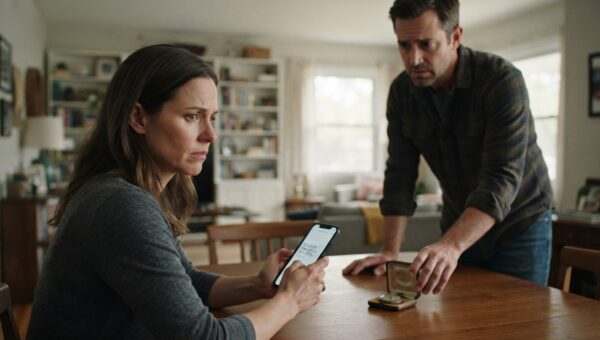
The $99,000 charge didn’t show up as a single transaction that set off alarm bells on a Tuesday morning; it arrived in pieces over forty-eight hours while I was in the middle of auditing a regional supply chain ledger. There were first-class flights to Honolulu, a suite at a resort on the North Shore that cost more than my first car, and a series of high-end boutique charges that spelled out a two-week tropical holiday for Chloe and her new boyfriend. My American Express Gold card was tied to a secondary account profile that my parents had managed to link years ago through an old family authorization loop I thought I had severed when I turned twenty-four. I stared at the itemized statement on my dual-monitor setup, watching the decimal points add up until they hit ninety-nine thousand flat, and felt that cold, heavy stillness settle right behind my ribs.
My mother called me ten minutes after the final resort charge cleared, her voice dripping with that familiar, saccharine cruelty she only reserved for me whenever she wanted to remind me of my place in the family hierarchy. Every dollar is gone, she had crowed into the receiver, her laugh sounding like dry leaves scraping across a concrete driveway. You thought you were clever hiding your savings behind those corporate passwords of yours? Think again, sweetheart. That is what you get for being such a selfish, worthless girl while your sister deserves the world. I didn’t slam the phone down or start crying the way she expected me to do. I just stood there looking out my office window at the gray Puget Sound, my fingers resting quietly against the edge of my desk. I took a slow breath, listening to her gloating cackle bounce inside the earpiece, and replied in a voice so flat it almost scared even me. Don’t laugh too soon.
The next seven days were the quietest week of my entire life, filled with the steady, mechanical hum of institutional machinery moving exactly the way I programmed it to move. I didn’t call my parents back, and I didn’t send a single warning text to Chloe, letting them believe their triumph was complete and absolute. Behind the scenes, my laptop screen stayed lit until two in the morning as I worked directly with our corporate compliance department and institutional fraud investigators to reclassify those specific revolving lines under commercial asset misappropriation parameters. Because the card was technically attached to an old business-tier profile from a consulting side-project I had run during my senior year of college, unauthorized third-party holiday bookings did not qualify as standard consumer debt disputes. They qualified as corporate-linked identity misuse and grand larceny under federal commercial transit guidelines.
By Friday afternoon, the institutional freeze had already locked down every joint-access vector my parents had spent thirty years relying on to bail themselves out of their constant financial shortfalls. Their own home equity line in Bellevue was automatically flagged when the primary backing account failed its compliance re-verification audit. My father’s pension deposits were temporarily held in an escrow review queue pending the resolution of the commercial fraud investigation originating from my merchant identification number. I didn’t have to lift a finger to ruin them; I simply provided the exact system logs, IP addresses, and unauthorized authorization timestamps to the compliance officers, and let the machinery of corporate law do what it was built to do.
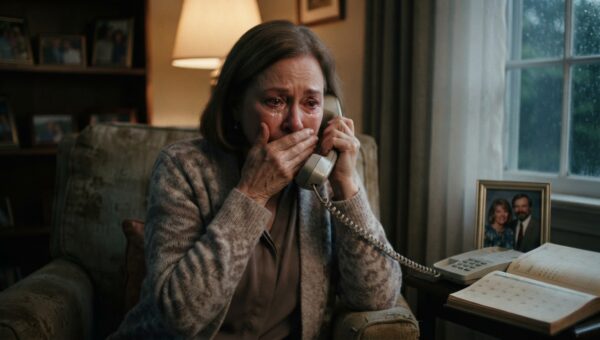
Are you sitting down? my mother asked through the phone at 6:12 p.m., her voice no longer sounding triumphant, but thin and brittle like old paper left out in the sun.
I didn’t sit down. I walked slowly toward the glass doors leading out to the elevators, watching my own reflection in the dark lobby windows. What is it, Mom? I asked, letting a hint of mild curiosity creep into my tone.
Chloe is stuck, she stammered, the words tumbling over each other in a frantic rush that made her sound ten years older than she actually was. We are trying to pay the hotel bill and book her flight home from Honolulu, but every single card we own is being declined. Not just yours, all of them. The bank says there is a federal fraud hold on our primary accounts and the front desk at the resort is threatening to call the local police if she doesn’t settle the remaining balance immediately. They are holding her luggage in the lobby, and she is crying so hard she can barely speak. You have to call them right now and fix this. You have that corporate backing thing, don’t you? Just tell them it was a family misunderstanding and pay the balance.
I stopped walking right beside the elevator call button, listening to the faint, hollow chime of a car arriving on the floor above us. The silence stretched out between us for several seconds, broken only by the muffled sound of my mother breathing heavily on the other end of the line, waiting for me to panic, waiting for me to cave like I always had in the past.
I’m not calling anyone, Mom, I said, my voice completely steady and level.
What do you mean you aren’t calling anyone? she shrieked, the thin veneer of panic finally cracking into full-blown rage. She is your sister! They are accusing her of credit card fraud at the front desk! Your father is trying to talk to the bank manager right now, but they told him the account has been locked under a Level Four commercial compliance violation. You did this, didn’t you? You set this up on purpose.
I didn’t set anything up, I replied quietly, staring at the small digital numbers ticking down above the elevator doors. I just left my corporate accounts exactly where they were supposed to be, and your little holiday trip happened to run right through them. The compliance department handles unauthorized commercial travel charges automatically. It isn’t a family misunderstanding. It’s a federal fraud report.
Put your father on the phone, she whispered, her voice dropping into a desperate, shaking plea. Just talk to your father. He can explain it to them. He can fix whatever paperwork you messed up.
There is nothing to fix, Dad can’t even access his own checking account right now because the fraud hold cascaded down into your joint mortgage reserves, I said, feeling a strange, cold lightness spread through my chest. You wanted every dollar gone, remember? You told me yourself that Chloe deserved the world and that I was just a worthless girl. Well, she got her Hawaii sunset, and now you get the bill.
The line went dead with a sharp click before she could scream another word. I didn’t call her back. I didn’t check my notifications for the rest of the evening as I rode the elevator down to the lobby and stepped out into the cool Seattle night air, letting the fine mist settle against my face.
The next morning, the sun actually broke through the gray overcast for about twenty minutes, casting a pale, watery light across the laminate counters of my apartment kitchen. I stood by the window with a steaming mug of black coffee in my hand, watching the raindrops slide down the glass pane in long, winding tracks. My phone buzzed once on the counter, displaying a string of furious missed calls and frantic text messages from both my parents and Chloe, demanding money, demanding answers, demanding that I undo whatever I had set in motion. I didn’t hesitate or look twice at the screen. I pressed my thumb against the contact card for my mother, tapped the menu button at the top right corner, and hit block. Then I did the same for my father, and finally for Chloe, watching their names vanish from my life with a quiet, final certainty. The silence in the room wasn’t deafening or heavy anymore; it was just empty, clean, and entirely my own.