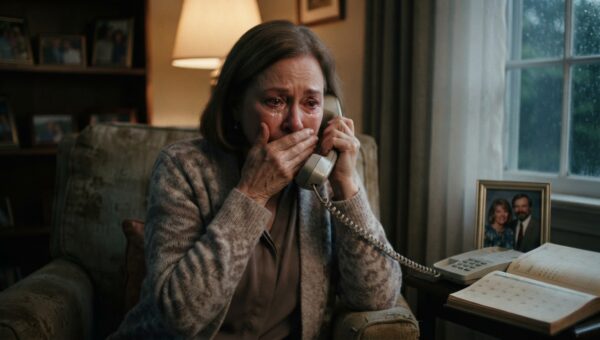
The notification on my phone came through while I was sitting in my car outside the dry cleaners on Elm Street, just staring at the steering wheel and trying to remember if I had enough formula at home for the morning rush. I had three missed calls from a local number I did not recognize, and my stomach did that cold, sickening drop that every working mother knows too well.
When you drop your child off at a facility you believe is licensed and safe, your entire day is a low-grade hum of anxiety. You work, you type, you answer emails, but half your brain is always sitting in that other room across town, wondering if she ate her lunch, if she fell on the hardwood, if she cried for too long before someone picked her up.
My daughter Clara was eighteen months old back then, right in that stubborn, beautiful window where she was just starting to string three words together and refusing to wear shoes with laces. I had spent two weeks touring facilities before choosing the Sunshine Valley Learning Center on the edge of town, mostly because the owner, Evelyn Vance, had a warm smile and kept talking about organic meal plans and low staff ratios. Evelyn drove a silver Mercedes, wore crisp linen blazers, and had a binder full of glowing parent testimonials that she handed out like business cards.
It all felt very professional. It felt expensive enough that I thought my daughter would be safe.
The first wrong note was small enough that I almost talked myself out of mentioning it. Clara came home on a Tuesday wearing a diaper that was not the brand I packed. I buy Pampers by the case, the big green boxes from the club store that cost around forty-two dollars a box, because Clara has sensitive skin that flares up into angry red patches if she wears cheap plastic linings for even an hour. The diaper she had on was a generic store brand with a thin, scratchy waistband that already left a red ring around her hip. I figured the teachers had run out of mine during a heavy mess and grabbed a spare from the communal bin. It happens. You replace it the next day with an extra sleeve and you move on.
Then it happened again on Wednesday. Same generic diaper, and when I unzipped her insulated lunch bag, the little plastic container of sliced apples was sitting there untouched, turning that dull, oxidized brown around the edges. I had packed fresh Honeycrisps sprinkled with just a tiny bit of lemon juice to keep them bright, exactly how she liked them. Clara usually eats fruit first before she touches her turkey sandwich. I opened the container and poked one of the apple slices. It was dry, like it had been sitting on a counter all morning exposed to the air.
When Thursday brought the exact same routine, a generic diaper and brown, untouched apples, the small voice in the back of my mind stopped whispering and started shouting. That was when I decided to run a quiet, foolish little test of my own. I did not want to be one of those hysterical mothers who accuses people over nothing, so I needed proof I could actually see with my own eyes.
Before dropping her off on Friday morning, I took a black permanent marker and drew a tiny, distinct dot on the inside waistband of every single diaper stacked in Clara’s supply bag. Then I took a small strip of green painters tape and wrapped it tightly around the neck of her formula bottle right over the screw cap, pressing the edge down so it would tear if anyone unscrewed it. Formula is thirty-eight dollars a can at the grocery store, and Clara is particular about her brand because of her dairy sensitivity. I was paying for every ounce of that expensive powder, and I wanted to know where it was actually going.
The afternoon pickup was quiet, the way it always is when you are tired from a ten-hour shift and just want to get your child home into pajamas before dinner. Evelyn Vance was standing near the front desk, smiling her smooth, practiced smile and telling another mother about the upcoming fall festival. I signed Clara out, scooped her up, and carried her straight to my Honda Civic. I did not check the bag until I had her strapped into her car seat and the doors locked.
The green painters tape on her bottle was gone completely, leaving behind a sticky residue of adhesive on the plastic ring. I unscrewed the cap and gave it a quick sniff. It did not smell like rich, creamy formula. It smelled like tap water, flat and metallic and room-temperature. I pulled her diaper bag open and checked the fresh diaper she had been wearing when I picked her up. No black Sharpie dot. Just another scratchy, cheap store-brand diaper with a cartoon duck on the tab.
I sat there in the parking lot with my hands shaking on the steering wheel, watching the elegant curve of Evelyn’s Mercedes gleaming under the security light near the front entrance. My daughter had spent three days drinking plain water out of a bottle meant for specialized nutrition, sitting in cheap diapers that made her skin itch, while her expensive supplies vanished into wherever Evelyn kept her surplus. I did not yell. I did not storm back inside to make a scene that would only frighten Clara. I just backed out of the stall, drove straight home, and opened the website for the state Department of Childcare Licensing.
The formal complaint form took me forty-five minutes to fill out because I wanted every detail documented with absolute precision. I listed the dates, the specific brand substitutions, the untouched food, and the tampered bottles. I hit submit at 9:14 that evening, and by Monday morning, my phone was ringing before I had even finished pouring my coffee.
The voice on the other end belonged to Mrs. Gable, a state compliance inspector who sounded like she had spent thirty years listening to excuses and had no patience left for any of them. She asked a few sharp, pointed questions, verified my contact information, and told me simply that an unannounced visit would happen within forty-eight hours. She did not promise me an outcome, but her tone told me she took supply diversion very seriously.
The inspection happened on Wednesday morning, and as it turned out, Mrs. Gable was thorough enough to uncover a system of deception that went far deeper than missing diapers and watered-down bottles. I know this because Mrs. Gable called me later that afternoon from her car outside the facility, her voice still buzzing with professional disbelief over what she had walked into.
When Mrs. Gable pushed through the front doors of Sunshine Valley Learning Center just before eleven o’clock, she immediately noticed that the front reception area was strangely quiet. The facility was licensed for a maximum of eight infants and toddlers under two years old, a safety cap designed to ensure proper supervision and adequate attention. When Mrs. Gable walked past the half-glass door into the main toddler room, she found sixteen children crowded into a space designed for half that number.
There was only one caregiver on duty, a young woman named Brenda who looked like she was about nineteen years old and on the verge of tears, trying to spoon rice cereal into two high chairs at once while four other toddlers pulled at her pant legs. There were no secondary staff members in sight, no assistant director, no floaters. Just sixteen small children in a room that smelled heavily of bleach and stale formula, being managed by a teenager who was completely overwhelmed.
Mrs. Gable immediately demanded to see the facility logs, the staff-to-child ratios, and the meal preparation records. The weekly menu posted on the bulletin board near the kitchen boasted gourmet touches designed to reassure paying parents: organic chicken breast, steamed broccoli florets, fresh mashed sweet potatoes, and organic whole milk. It looked like the kind of menu you would expect from a boutique daycare charging top-tier tuition rates.
When the inspector opened the commercial kitchen door to audit the pantry, she found a very different reality. There was no fresh organic chicken, no broccoli, no sweet potatoes. Stacked floor-to-ceiling on the metal wire shelves were dozens of dented cans of cheap store-brand ravioli, generic apple sauce cups, and industrial-sized tubs of instant cornstarch pudding. The refrigerator contained a half-empty jug of commercial cow’s milk and a box of generic teething biscuits.
Mrs. Gable pulled the facility financial records from the back office file cabinet and discovered what Evelyn Vance had been doing with the revenue. The center was pulling in roughly twenty-eight thousand dollars a month in tuition checks from sixteen families paying premium rates for specialized care. The total monthly expenditure on food for those sixteen growing children came out to three hundred and forty dollars. The rest of the money was being funneled directly into accounts that supported Evelyn’s luxury car, her designer wardrobe, and a lifestyle that had nothing to do with caring for toddlers.
The background check that followed revealed even darker layers. When Mrs. Gable ran Evelyn’s licensing application references through the state database, she found that none of them existed. The phone numbers listed for her previous administrative experience went to disconnected lines or suburban landscaping companies that had never heard of her. Further digging by the state compliance division uncovered the real truth: Evelyn Vance had operated a similar infant care facility three years prior in a neighboring county under her maiden name, and that facility had been shut down by emergency state order after inspectors found identical violations involving overcrowded rooms, substituted food, and stolen supplies.
To keep her new license clean, Evelyn had brought in a silent co-owner and business partner named Marcus Vance, her brother-in-law, who handled the shell company paperwork and managed the facility’s paper trail to ensure her name stayed off the primary corporate filings. Marcus was the one who had set up the secondary bank accounts where the diverted formula and high-end diapers were allegedly sold off through online marketplace listings or redistributed to private buyers.
By Thursday morning, the front doors of Sunshine Valley Learning Center were locked tight with bright orange state compliance notices plastered across the glass. The emergency parent meeting was held in the parking lot under a cold, gray sky that matched everyone’s mood. Evelyn Vance was nowhere to be seen, though a process server was spotted handing documents to Marcus Vance near the side entrance while several mothers openly wept as they tried to figure out where they were going to find childcare by Monday morning.
I stood near the edge of the parking lot holding Clara’s hand, watching the plastic toys being hauled out in cardboard boxes by state caseworkers who were coordinating safe emergency transfers to licensed, reputable centers across the county. We did not lose our money, because our bank’s fraud division stepped in quickly once the state report was public, but the feeling of having trusted someone who looked you in the eye while cutting corners on your child’s nutrition is something that takes a long time to fade.
Now, months later, our kitchen looks very different on a Tuesday evening. A fresh, unsealed can of premium formula sits securely on the counter beside a clean, unmarked box of Pampers that I bought in bulk without a second thought. Across town, the empty storefront that once housed Sunshine Valley has a faded leasing sign hanging crookedly in the front window, and the laminated state closure notice has finally weathered away in the wind. Clara is two now, running around the living room in her own shoes with laces, chattering away in sentences I don’t always understand but never want to miss a single word of. Every time I open a fresh box of diapers and see the clean white lining with no marker dots anywhere in sight, I still remember the sound of that state inspector’s voice on the phone, and I know exactly what vigilance costs when you are a mother who refuses to look away.